

Overview
The Vila Real district lies in the northern interior of Portugal, shaped by mountains, river valleys and a deep connection to rural tradition. It is a region where the dramatic landscapes of the Douro and the rugged terrain of Trás‑os‑Montes coexist in harmony. Towns such as Vila Real, Chaves and Valpaços preserve centuries of heritage, from baroque palaces to Roman thermal history. Vineyards climb steep slopes along the Douro, producing world‑renowned wines, while high plateaus reveal quiet villages and a strong sense of identity. The district feels authentic and grounded, defined by nature, history and the enduring character of the northern interior.
Best time to visit
The best time to visit the Vila Real district is between May and October, when warm temperatures and clear skies make the mountains and river valleys especially inviting. Spring brings fresh greenery and comfortable weather, ideal for exploring parks, viewpoints and historic towns. Summer offers long days, lively cultural events and scenic drives through the Douro. Early autumn provides golden tones and the atmosphere of the harvest season. Winter is cool and tranquil, suited for reflective travel and visits to thermal towns such as Chaves.
Getting around
The district is best explored by car, as towns and natural areas are spread across a wide and varied landscape. Roads reveal dramatic views of mountains, vineyards and river valleys. Vila Real, Chaves and other urban centers are compact and pleasant to explore on foot, with historic streets offering intimate contact with local heritage. Public transport exists but is limited, making private mobility the most convenient option for discovering the region’s diversity.
Safety and local etiquette
The Vila Real district is safe and welcoming, with a friendly atmosphere typical of northern Portugal. Normal precautions are recommended, though the environment is generally peaceful. Respect for rural life, local traditions and natural areas is appreciated, as communities value their heritage and quiet rhythm. Visitors are encouraged to greet locals politely and to treat landscapes with care. The pace of life is gentle, shaped by both mountains and countryside.
Food and water
The cuisine of Vila Real reflects the flavors of Trás‑os‑Montes and the Douro, with dishes rooted in local produce, smoked meats, hearty stews and traditional recipes. Restaurants serve specialties such as posta, feijoada transmontana and regional sausages, often accompanied by Douro wines. The gastronomy is rich and comforting, celebrating both rural and river influences. Drinking water is safe throughout the district. Meals tend to be convivial and generous, matching the warm and authentic atmosphere of the region.
Day trips and excursions
The Vila Real district offers a wide range of excursions. The Douro Valley provides terraced vineyards, river cruises and scenic viewpoints. Chaves reveals Roman heritage and thermal traditions. Vila Real offers the Mateus Palace and access to Alvão Natural Park. Valpaços and Murça showcase rural landscapes and local products. The mountains of Alvão and Marão provide hiking trails and panoramic views. Each excursion complements the district’s diversity, creating a balanced mix of nature, culture and regional identity.
Essence of the Vila Real District
The essence of the Vila Real district lies in its harmony between mountains, river and tradition. The Douro winds through terraced slopes, highlands preserve rural identity and historic towns breathe with centuries of culture. It is a place where authenticity feels natural, where landscapes invite reflection and where heritage remains alive. Vila Real embodies the serene spirit of northern Portugal — rugged, welcoming and quietly majestic.
Highlights in Vila Real district:
Vila Real and Casa de Mateus, Chaves and especially the Douro valley and its farms, villages and viewpoints, with emphasis on the Pinhão area.
Visited places:


- Vila Real District is located in northern Portugal and forms part of the historic province of Trás-os-Montes e Alto Douro.
- The district is famous for its spectacular landscapes, historic towns, mountain ranges, and world-renowned wine regions.
- Tap water is safe to drink and of excellent quality.
- The district includes important destinations such as Vila Real, Peso da Régua, Lamego, Chaves, Montalegre, Alijó, Sabrosa, and Murça.
- Part of the UNESCO-listed Alto Douro Wine Region, the world’s oldest demarcated wine region, lies within the district.
- Peso da Régua is considered the capital of the Douro Wine Region and one of Portugal’s leading wine tourism destinations.
- Vila Real is known for the magnificent Mateus Palace, one of Portugal’s most famous Baroque landmarks.
- Chaves is renowned for its Roman heritage, thermal waters, medieval castle, and traditional gastronomy.
- Montalegre preserves strong rural traditions and hosts the famous Friday the 13th celebrations.
- The district contains important protected areas such as the Alvão Natural Park, known for waterfalls, mountain villages, and hiking trails.
- The region is internationally recognised for the production of Port Wine, Douro wines, olive oil, chestnuts, smoked meats, and honey.
- Traditional gastronomy includes roast kid goat, posta mirandesa, smoked sausages, codfish dishes, local pastries, and regional cheeses.
- The district offers excellent opportunities for hiking, cycling, wine tourism, river cruises, cultural tourism, and scenic driving routes.
- The destination is safe and visitor-friendly; normal precautions are generally sufficient.
- Credit and debit cards are widely accepted in towns, although carrying some cash is advisable in remote mountain villages.
- The official currency is the Euro (€).
- A car is highly recommended for exploring the Douro Valley, mountain landscapes, historic towns, and traditional villages.
- Respect vineyards, historic monuments, protected natural areas, agricultural properties, and local traditions when visiting.
Vila Real District enjoys a continental Mediterranean climate, with significant variations between the deep valleys of the Douro River and the mountainous areas of the Marão, Alvão, and Montemuro ranges.
- Spring (March to May) – mild temperatures, blooming vineyards, and excellent conditions for exploring historic towns, nature parks, and panoramic viewpoints.
- Summer (June to August) – warm to hot and generally dry, with temperatures typically ranging between 25°C and 38°C. The Douro Valley can experience particularly high temperatures.
- Autumn (September to November) – pleasant weather, colourful vineyard landscapes, harvest season, and ideal conditions for wine tourism and photography.
- Winter (December to February) – cool to cold conditions, generally ranging between 0°C and 12°C, with frost common in inland areas and occasional snowfall in the mountains.
Spring and autumn are widely considered the best seasons to visit Vila Real District.
Today:
🌐 Regional connection
This district is part of the Interior North Cluster, a curated region that connects mountain towns, frontier villages and inland landscapes across northern Portugal.

Vila Real district – 3 quick visits
 Visiting Vila Real district in general
 Visiting Vila Real district in general
Vial Real was, with Viseu, Viana do Castelo and Bragança the districts I badly visited.
I had to put an end to it, and recently I made two express trips to this district.
From Montalegre, in the remote northern end to Pinhão, by Douro river, I was surprised by several unknown places, like Meixedo, Padornelos, Provesende or Ribeira de Pena.
Chaves and the surrounding area are beautiful, with mountains and dams composing the landscape.
Vila Real is a small capital with personality, and nearby is the wonderful house of Mateus the producers of the most known Portuguese wine.
I also kept the promise to return to Vila Pouca de Aguiar by day, visiting in the way its neighbour Vidago.
The southern edge of the district is river Douro, providing excellent views of the vineyards on the slopes around Peso da Régua, as it happens in Murça.
My top visits:
Pinhão

Known for its stunning landscapes and terraced vineyards, Pinhão is a central hub for the production of Port wine. The village is surrounded by quintas (wine estates) that offer wine tastings and tours, providing visitors with an immersive experience of the region’s rich viticultural heritage. The Pinhão Railway Station, adorned with traditional azulejo tiles depicting the wine harvest, is a notable landmark.
Montalegre

Montalegre is famous for its medieval castle, which offers stunning views of the surrounding landscape. The village is also home to the Ecomuseu de Barroso, showcasing the traditional way of life in the region, one of the most remote of Portugal, and with a special weather.
Chaves

Chaves, located in the north of Vila Real district, is a historic town known for its Roman heritage and thermal baths. The town’s name, derived from the Roman “Aquae Flaviae,” reflects its ancient roots. Chaves is famous for the Roman Bridge of Trajan, which spans the Tâmega River, a medieval castle and the Church of Santa Maria Maior.
Ribeira de Pena

Ribeira de Pena is another known place of Vila Real district, famous for its outdoor activities, including canoeing and canyoning, particularly at the Cai d’Alto waterfall. The local heritage is rich with prehistoric sites.
Provesende

Provesende is one of the most beautiful typical villages in the Port wine region, and in Vila Real district. Also being one of the most accessible, close to Pinhão, the village is home to several historic manor houses and the Igreja Matriz de Provesende.
Vila Real

Vila Real, the capital of the Vila Real district, is a city rich in history and culture. Founded in 1289 by King Denis, it is known as the “Royal Town” due to its historical association with Portuguese nobility. The city is perched on a plateau overlooking the Corgo River, offering stunning views of the surrounding landscape. Notable landmarks include the Mateus Palace, a baroque masterpiece, and the Gothic-style Cathedral of Vila Real.
Padornelos

Still within the scope of the beautiful villages in the Vila Real district, Padornelos clearly deserves a mention for its gracefulness. A little off the usual tourist circuits in the Douro region, it is, however, a mandatory stop for anyone who decides to go a little further and visit Montalegre.
Vidago
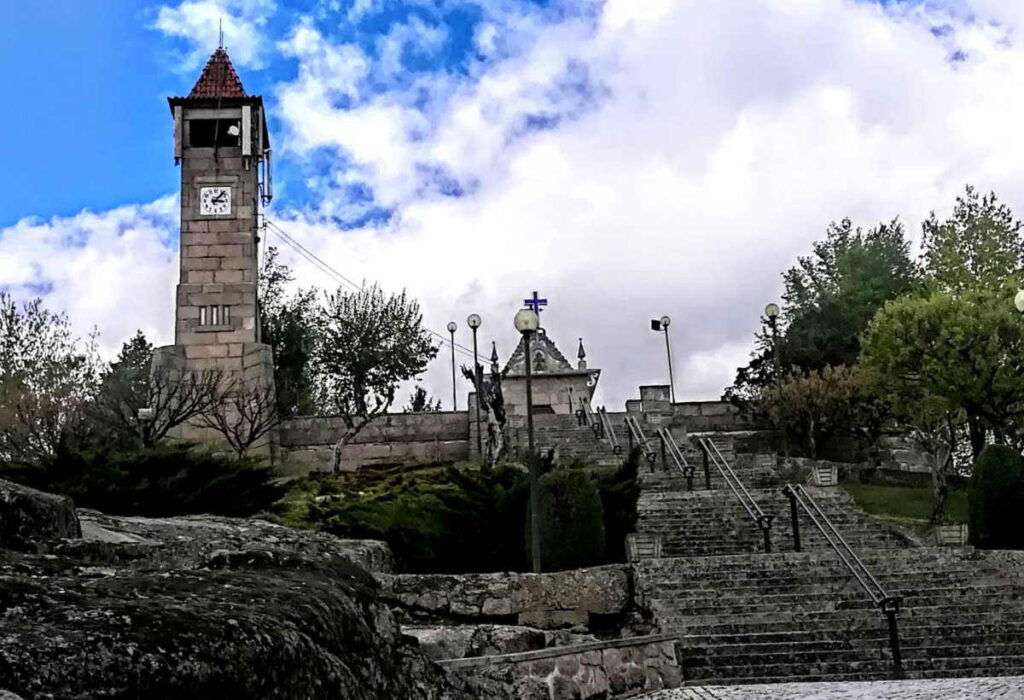
Vidago, located in the Vila Real district is renowned for its thermal springs and luxurious spa resorts. Ite is home to the historic Vidago Palace, a grand hotel that has attracted visitors since the early 20th century. The palace is surrounded by beautiful gardens and an 18-hole golf course, offering a serene retreat for guests. Vidago’s mineral-rich waters are celebrated for their therapeutic properties, making it a popular destination for wellness tourism.
Vila Pouca de Aguiar
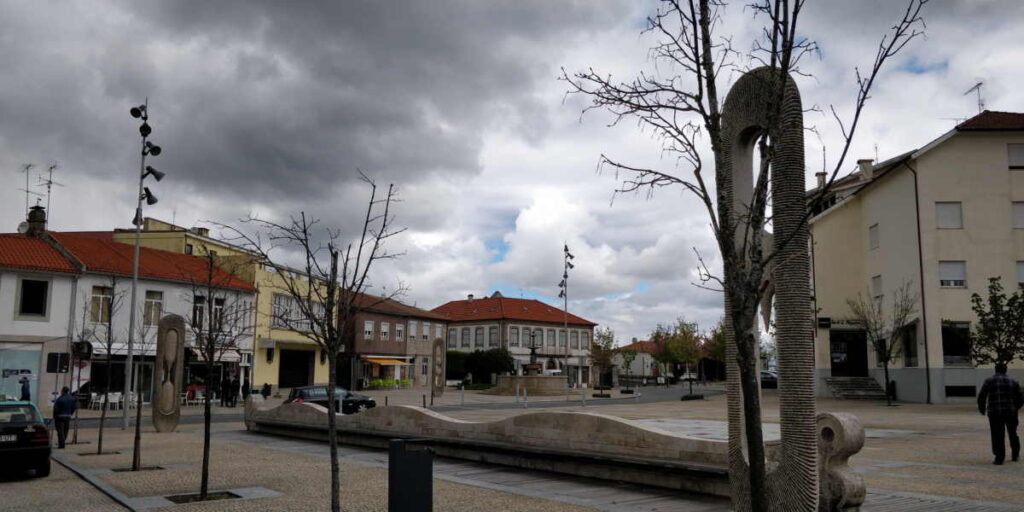
I have excellent memories of Vila Pouca de Aguiar, as the first time I went there was to win the Portuguese Sports Dance Cup. That time I saw nothing, but I felt obliged to go back. It’s a nice town, but far from being a major tourist attraction.
If you want to easily publish your own experiences, after registering you may use the form below. It will be added after revision. You may use text, photos till 20Mb or video. For a more complex publication click here.
Publishing form
You need to be logged in to view this page
Your trip will be perfect with the help of our partners
For a great experience:
For your safety:
For your comfort:
For cheap flights:
For local displacements:
 English
 Português