

Overview
Vila Real is the main city of Portugal’s North Interior region, set between the Marão and Alvão mountains and shaped by deep valleys, vineyards and historic architecture. Known for its noble houses, university atmosphere and proximity to natural parks, the city blends tradition with a lively cultural rhythm. Vila Real serves as a gateway to the Douro Valley and the rugged landscapes of Trás‑os‑Montes.
Best Time to Visit
The best time to visit Vila Real is from May to October, when warm weather enhances outdoor activities, river viewpoints and mountain drives. Spring brings fresh colors and mild temperatures, while autumn offers golden vineyards and comfortable days. Winter is cooler and quieter, ideal for cultural visits and exploring nearby parks without crowds.
Getting Around
The city center is walkable, with cafés, shops and historic streets easily reached on foot. A car is recommended for exploring the surrounding region, including Mateus Palace, Alvão Natural Park and the Douro Valley. Public transport connects major points, but rural and mountain areas are best accessed independently.
Safety and Local Etiquette
Vila Real is safe and welcoming. Locals appreciate politeness, respect for traditional customs and calm behavior in historic or religious sites. When exploring mountain roads or natural parks, caution is advised, especially during winter or foggy conditions. As in most northern towns, hospitality is warm and genuine.
Food and Water
Tap water is safe to drink. Vila Real offers strong regional gastronomy, including posta maronesa, feijoada transmontana, local sausages, river fish and traditional pastries. Restaurants range from simple taverns to refined regional cuisine. Wines from the Douro and Trás‑os‑Montes are widely available and highly recommended.
Day Trips and Excursions
- Peso da Régua – Capital of the Douro Wine Region, famous for its vineyards, river cruises, and wine heritage.
- Pinhão – Iconic Douro village surrounded by terraced vineyards and renowned wine estates.
- Favaios – Traditional wine village celebrated for its famous Moscatel de Favaios and Bread and Wine Museum.
- Ribeira de Pena – Scenic municipality known for its mountain landscapes, rural villages, and outdoor activities.
- Mondim de Basto – Attractive destination famous for Monte Farinha and the Sanctuary of Nossa Senhora da Graça.
- Vila Pouca de Aguiar – Historic town known for its Roman mining heritage, the Pedras Salgadas Spa Park, and beautiful landscapes linking Trás-os-Montes to the Douro region.
- Chaves – Historic spa city renowned for its Roman bridge, thermal waters, and well-preserved historic centre.
These excursions complement a visit to Vila Real with a blend of wine culture, mountain landscapes, heritage, gastronomy, and some of the most beautiful destinations in Northern Portugal.
The Essence of Vila Real
The essence of Vila Real lies in its balance between noble heritage, mountain scenery and northern authenticity. It is a city shaped by tradition and landscape, where historic houses meet university life and where the surrounding valleys define the rhythm of daily life. Vila Real offers a calm yet culturally rich experience at the heart of Portugal’s interior north.
Highlights in Vila Real
Mateus Palace, built in the 18th century, Corgo Park, Sao Domingos Church, but the top are the villages in Douro valley and the vineries of Port wine.


- Vila Real is the historic and cultural center of the Trás-os-Montes region.
- The city is home to the famous Mateus Palace, one of Portugal’s most visited monuments.
- A car is recommended for exploring the Douro Valley and nearby natural parks.
- Tap water is safe to drink.
- Local restaurants specialize in Trás-os-Montes cuisine and regional wines.
- The Douro Valley can be reached within a short drive.
- The city offers excellent viewpoints overlooking the surrounding mountains and valleys.
- The city is calm and safe; normal precautions are sufficient.
- Credit and debit cards are widely accepted.
- The official currency is the Euro (€).
- Autumn is particularly attractive due to the vineyard harvest season.
- Respect vineyards, historic monuments, and natural areas when exploring the region.
Vila Real has a continental mountain climate, influenced by its elevation and inland location.
- Spring (March to May) — mild temperatures and ideal conditions for sightseeing and outdoor activities.
- Summer (June to August) — warm and sunny, with temperatures generally ranging between 25°C and 35°C.
- Autumn (September to November) — comfortable weather, colourful vineyard scenery, and harvest season activities.
- Winter (December to February) — cold temperatures, occasional frost, and cooler conditions than coastal Portugal.
The most popular period to visit is from April to October, when weather conditions are most favourable for exploring the city and surrounding landscapes.
Today:
🌐 Regional connection
This city is part of the Interior North Cluster, a curated region that connects mountain towns, frontier villages and inland landscapes across northern Portugal.

Vila Real – quick 1st and cold visit
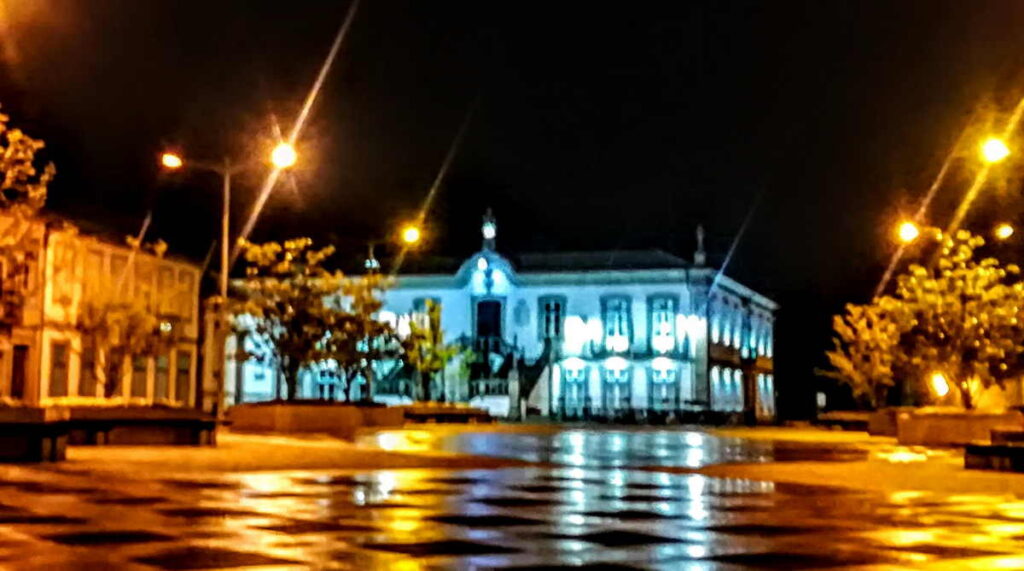
My Vila Real top image

I am indebted to this city – it is the district capital that I least know. I recently tried two visits, both, due to travel circumstances, arriving in snow or at night, only in this case getting a glimpse of the city center. It continues on the agenda, and being in such a beautiful area, it may happen soon.


Eat in Vila Real – 1 great experience
If you want to easily publish your own experiences, after registering you may use the form below. It will be added after revision. You may use text, photos till 20Mb or video. For a more complex publication click here.
Publishing form
You need to be logged in to view this page
🌐 Regional connection
This city is part of the Interior North Cluster, a curated region that connects inland heritage towns, mountain landscapes and cultural traditions across northern Portugal.
Your trip will be perfect with the help of our partners
For a great experience:
For your safety:

For your comfort:
For cheap flights:
For local displacements:
 English
 Português