

Overview
Murcia rests in southeastern Spain with a rhythm shaped by orchards, sunshine and centuries of Mediterranean heritage. The city blends Baroque architecture, lively squares and a warm southern atmosphere where tradition and modern life coexist. Its identity feels calm, expressive and unmistakably Murcian, defined by river landscapes, local culture and gentle urban charm.
Best time to visit
The best time to visit is from March to June and September to November, when mild temperatures make exploring ideal. Spring brings blooming orchards and festive streets. Summer is hot but perfect for evening walks and outdoor dining. Autumn offers golden light and pleasant days. Winter is mild and quiet, ideal for cultural visits.
Getting around
Murcia is easy to explore on foot, especially the historic center, cathedral area and riverfront. Buses and trams connect the city with nearby districts and university zones. Roads lead to surrounding orchards, viewpoints and regional towns. Movement reflects the blend of comfort, tradition and Mediterranean ease.
Safety and local etiquette
Murcia is safe and welcoming, with a friendly southeastern Spanish atmosphere. Normal precautions apply around busy areas and nightlife streets. Locals value politeness, relaxed conversation and respect for cultural spaces. Visitors are encouraged to greet people warmly and enjoy the slow rhythm of Murcian life.
Food and water
Murcia offers excellent regional cuisine — tapas, zarangollo, michirones, fresh vegetables, rice dishes and local wines. The city’s huerta (orchard region) shapes its flavors. Tap water is safe to drink. Dining here feels lively and authentic, reflecting the region’s culinary pride and agricultural roots.
Day trips and excursions
The city is perfectly positioned for exploring southeastern Spain. Cartagena blends Roman heritage with Mediterranean views. Lorca offers a hilltop castle and historic charm. Sierra Espuña provides hiking and mountain scenery. La Manga and the Mar Menor add beaches and calm waters. Each excursion complements Murcia’s identity with culture, nature and regional variety.
Essence of Murcia
The essence of Murcia lies in its harmony between sunlight, orchards and centuries of southern tradition. Palm trees sway along the river, Baroque façades glow in warm light and the city breathes a rhythm shaped by calmness and heritage. It is a place where serenity meets culture, where landscapes remain vivid and where every moment carries a warm, expressive Mediterranean tone. Murcia embodies the gentle soul of southeastern Spain — sunny, historic and unmistakably inviting.
Highlights in Murcia:
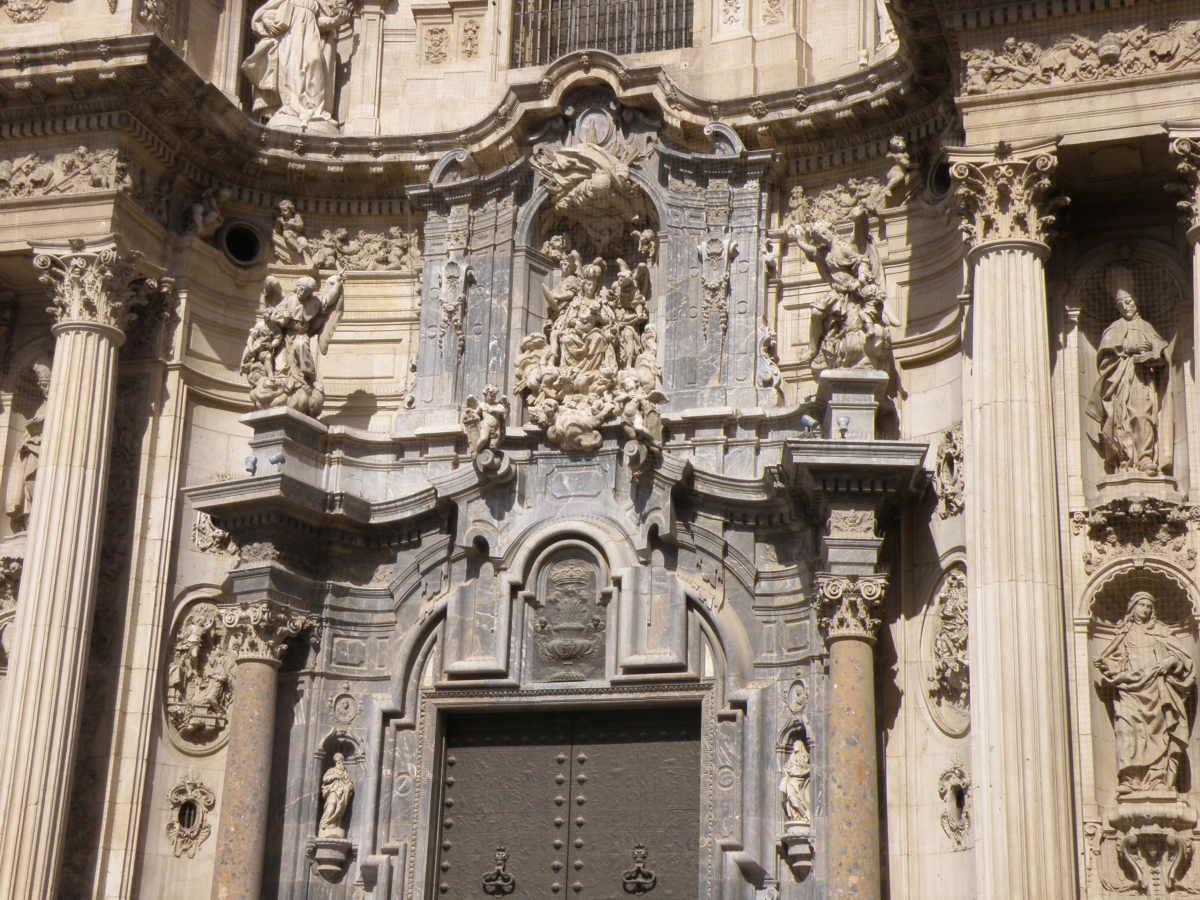
The city is renowned for its stunning Cathedral of Santa María, a masterpiece of Gothic and Baroque architecture that dominates the skyline. Strolling through the old town, visitors can explore charming streets like Calle Trapería and Calle Platería, lined with historic buildings, shops, and cafes.
The Real Casino is another must-see, offering a glimpse into 19th-century elegance with its lavish interiors and the theatre, various churches and museums are excellent complements, as is the walk along the banks of Segura river.


- Murcia is the capital of the Region of Murcia in southeastern Spain.
- Spanish is the official language.
- The city was founded during the Islamic period in the 9th century.
- The Cathedral of Murcia is the city’s most famous landmark.
- Tap water is safe to drink.
- Credit and debit cards are widely accepted.
- The official currency is the Euro (€).
- Murcia is known for its fertile agricultural region known as the Huerta.
- The city has a modern tram and bus network.
- Spring festivals are among the most important cultural events of the year.
- Local cuisine is famous for fresh vegetables and Mediterranean flavours.
- Comfortable footwear is recommended for exploring the historic centre.
- Murcia offers an authentic Spanish city experience with fewer tourists than many larger destinations.
Murcia has a Mediterranean climate, characterised by hot summers, mild winters, low rainfall, and abundant sunshine throughout the year.
- Spring (March to May) — warm temperatures, blooming gardens, and excellent conditions for sightseeing and festivals.
- Summer (June to August) — very hot and sunny weather, often with temperatures exceeding 35°C.
- Autumn (September to November) — pleasant temperatures and comfortable conditions for exploring the city.
- Winter (December to February) — mild weather with comfortable daytime temperatures and relatively little rainfall.
The most popular period to visit is from April to June and from September to November, when weather conditions are generally ideal for exploring Murcia’s historical monuments, enjoying outdoor terraces, experiencing local festivals, and discovering the cultural heart of the region.
Today:
🌐 Regional connection
This destination is part of the Murcia Region Cluster, a curated region showcasing Mediterranean beaches, historic cities, natural parks, coastal villages, and some of Spain’s most authentic cultural experiences.

Visiting Murcia
For several times I passed in Murcia, blaming the many villages that surrounded it, forcing a slow traffic that delayed the long trips that I was doing.
This year I spent a week in La Manga del Mar Menor, that gave me time enough to go and have a look.
I enjoyed the city, specially its splendorous cathedral
Cathedral
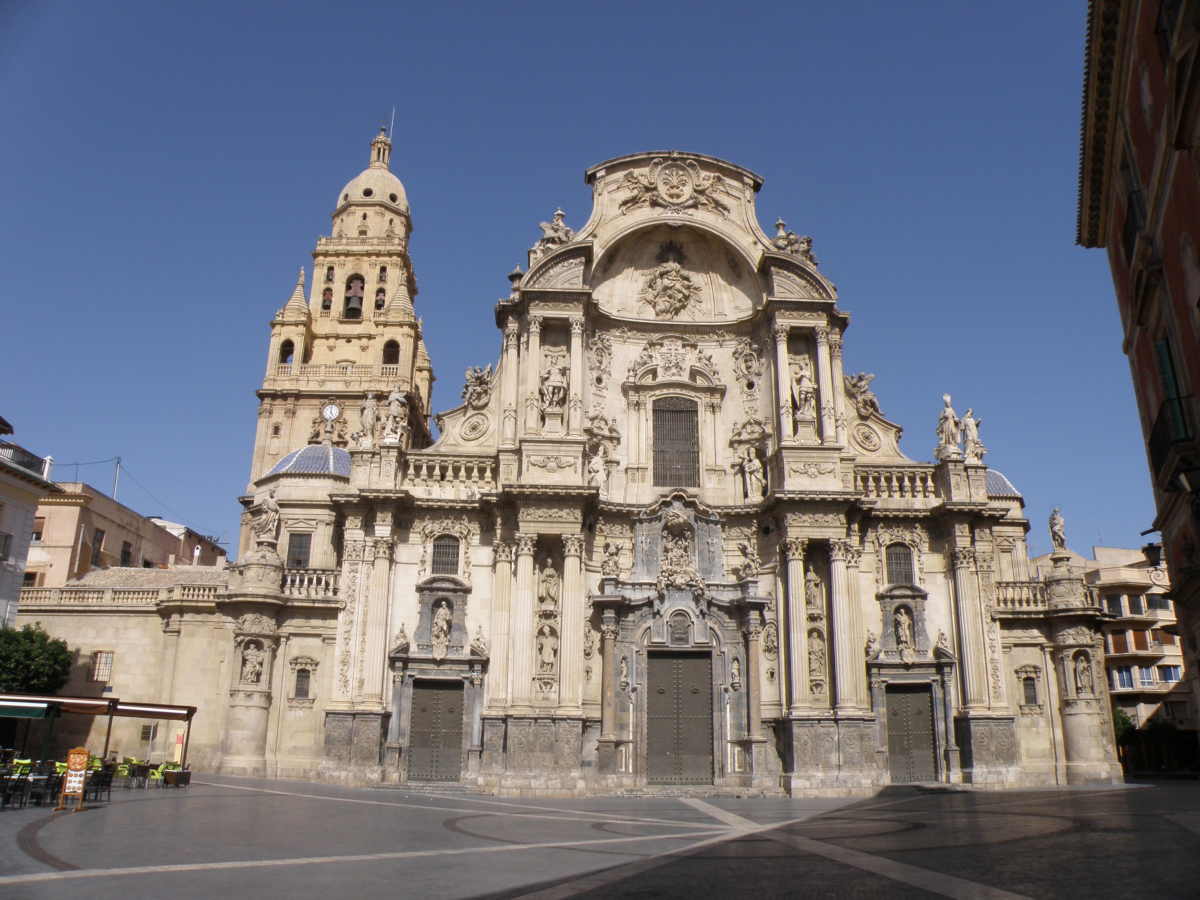
An astonishing monument, this cathedral mixing three styles – Baroque, Renaissance and Gothic.
Its facade and bell tower are absolutely impressive.
Its richness is due to the several centuries that lasted its construction – started in 1394 it was only finished in 1791, with the successive styles joining the construction in perfect harmony.
Arcebishop’s Palace
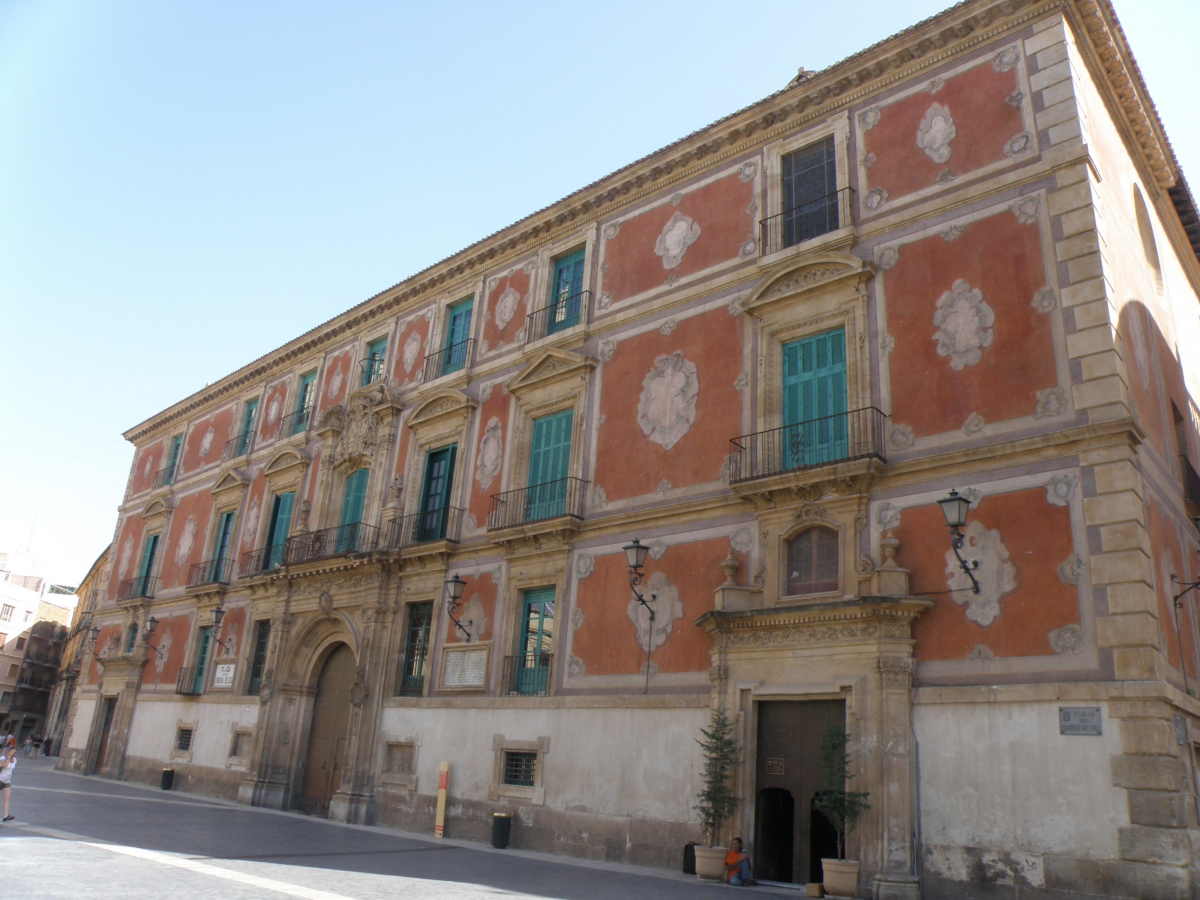
In Cardenal Belluga square, next to the cathedral stands the Episcopal Palace.
It is a must in the architecture of the 18th century in Murcia.
Several expert from other cathedrals collaborated in its construction.
It is made up of two joined buildings, the so called Martillo (hammer) and the main body, clearly influenced by Italian Mannerism.
The balcony doors of the facade reproduce the architectural solutions of Michelangelo for the Farnese Palace, in Rome.
Santo Domingo Square
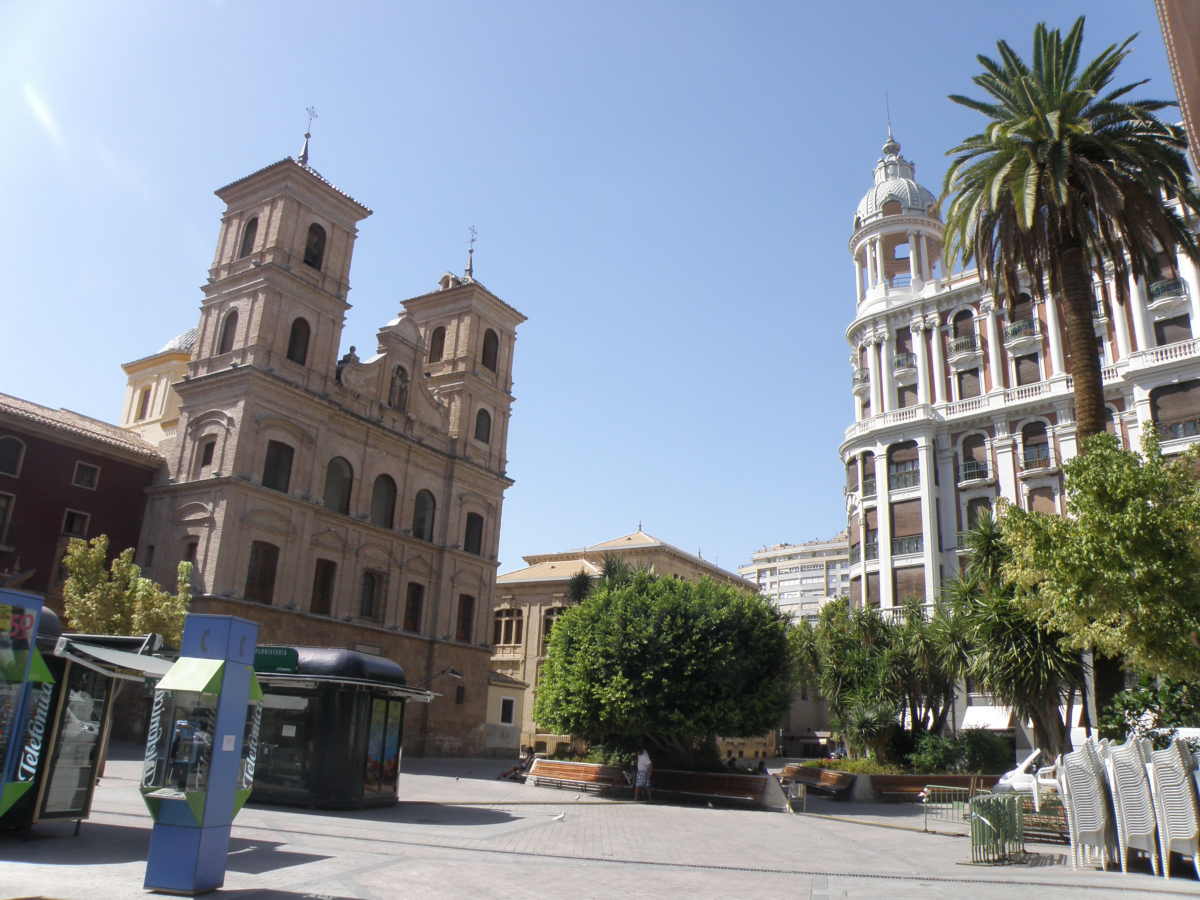
If we forget the cathedral, the most beautiful place in Murcia is this square.
With a very rich history, it is surrounded by wonderful constructions, from the church with the same name, to Almodovar palace, Banco Central, casa Cerdà and more.
Decorating the square a small monument celebrates the human rights.
Romea Theater
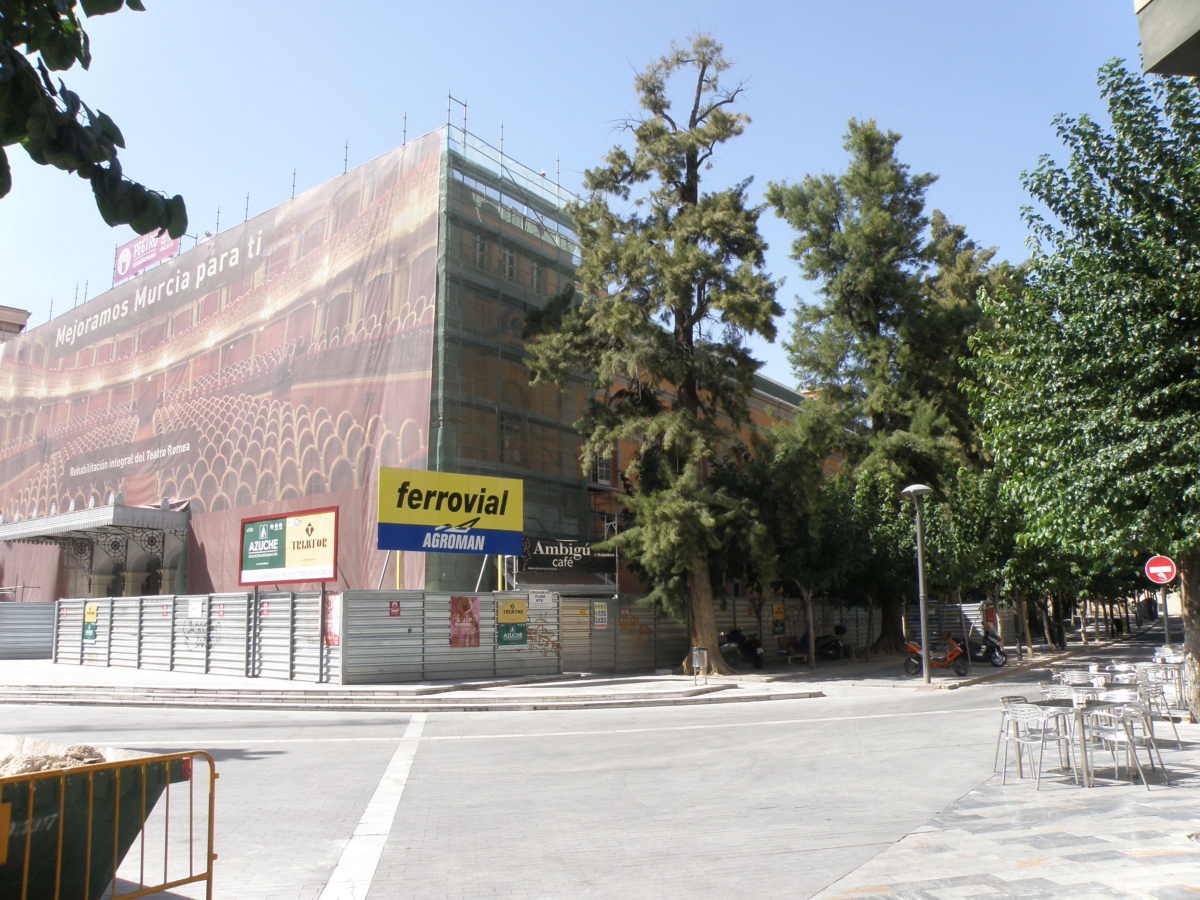
I was curious about this building from the 19th century but… couldn’t see it.
It was covered to maintenance, and the only free angles were covered by trees.
Bad luck. However, i read that it was several times rebuilt, recovering serious damages from fire in the 19th century.
The last one was in 1985, introducing new resources that, behind the old facade allow a very intense activity in modern cultural life of town.
Plaza Romea
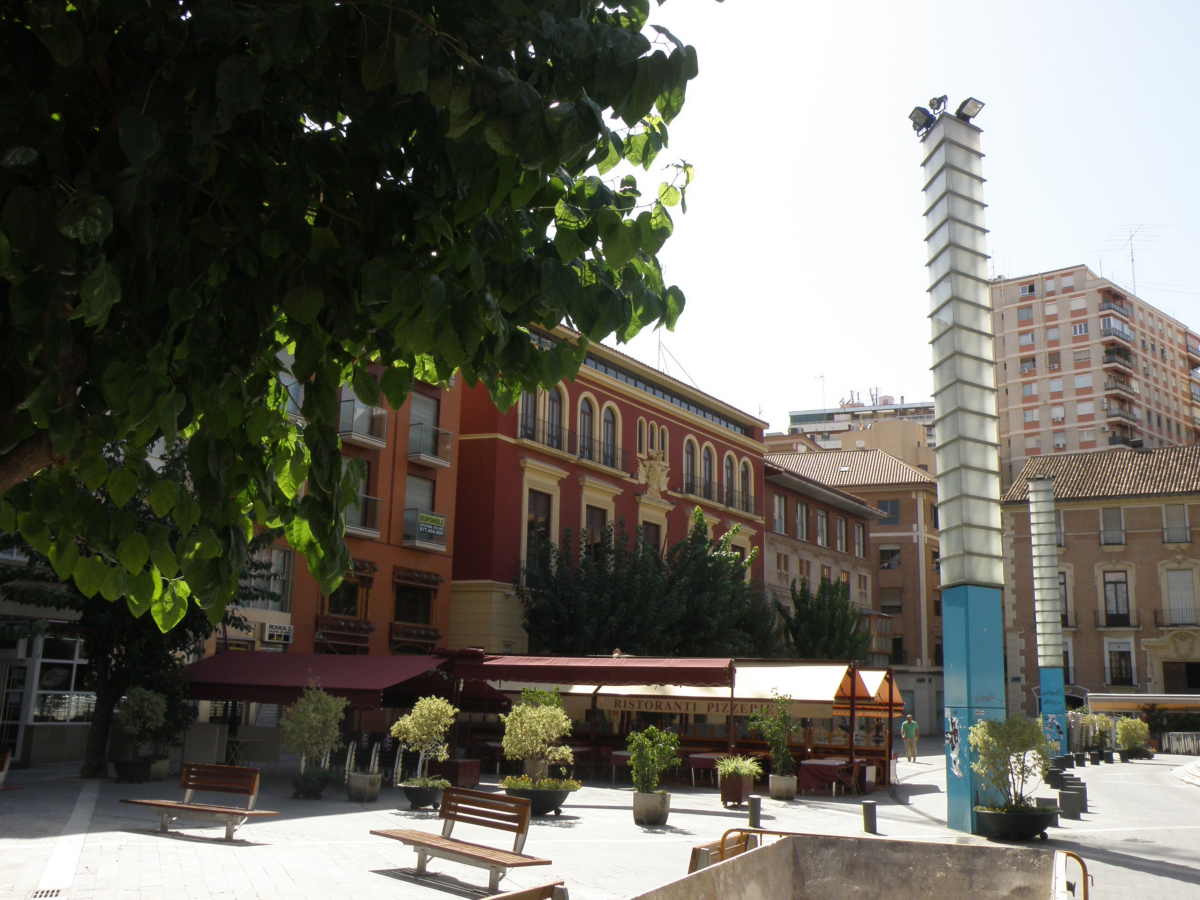
I couldn’t see Romea theater, under maintenance but could appreciate the nice square that faces it, with a few esplanades and restaurants whose density didn’t spoil the look of the square, with the palace of Gonzalez Campuzano now used as a tourist office.
Fernandez Caballero
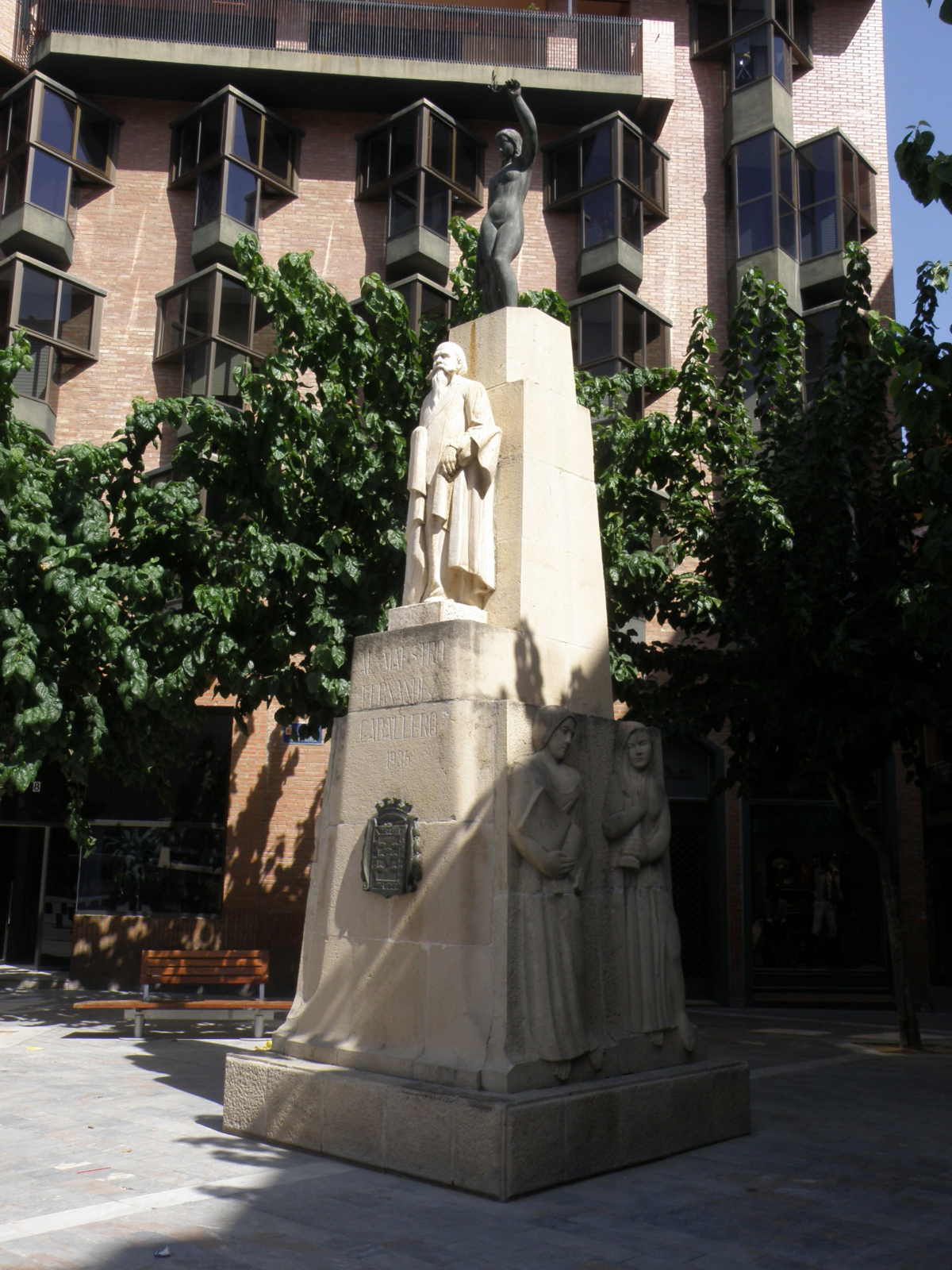
Who was Fernandez Caballero? An old man whose statue in Romea place forced me to read, and discover that he was a local musician born in 1835, returning home in 1903 after a long and important work in Zarzuela music that he took around the world.
To be honest, I must confess that I like Zarzuela, but couldn’t identify any of his works. I will pay more attention in the future.
San Juan de Dios
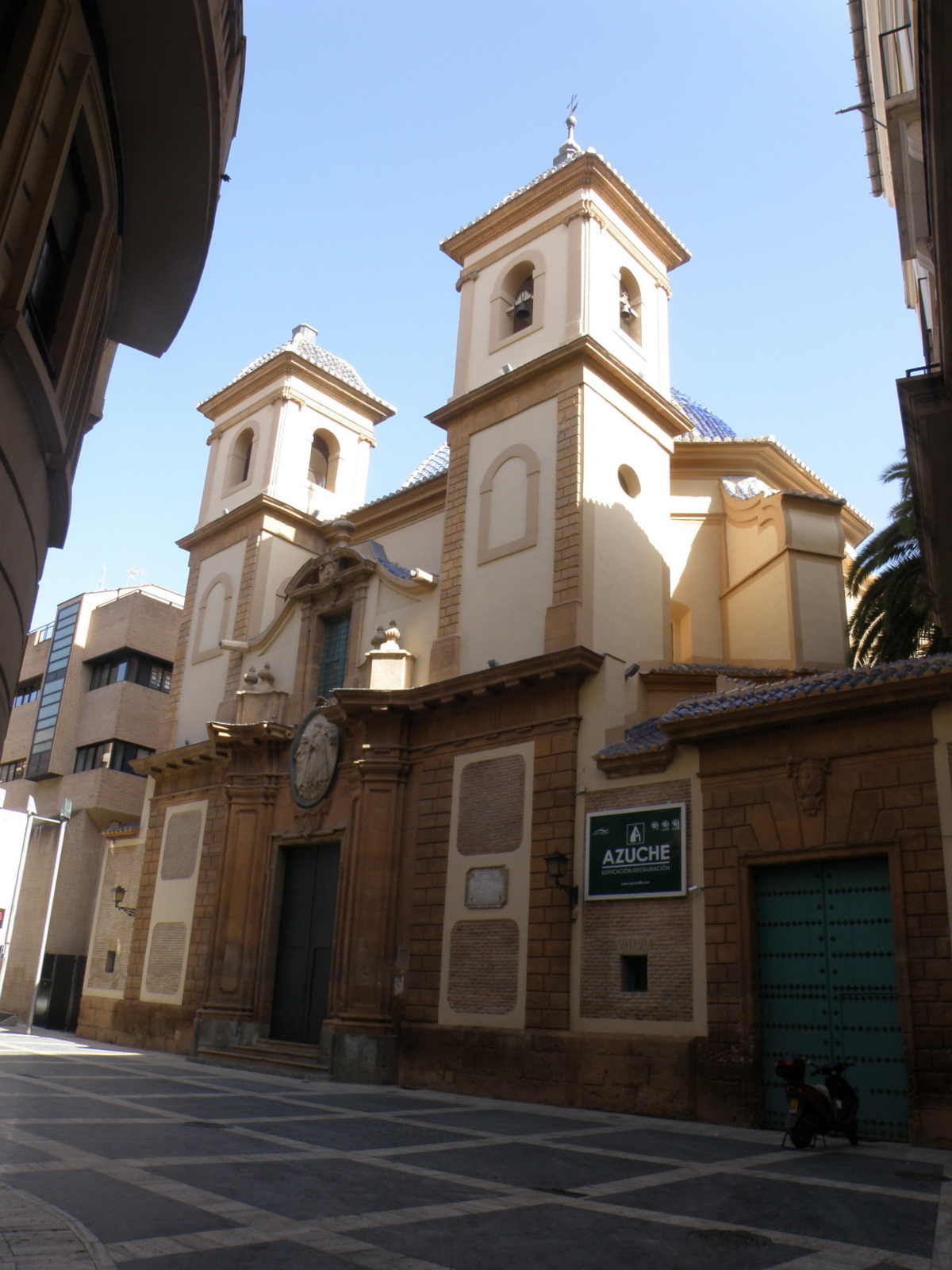
The San Juan de Dios church, from the 18th century. is also today a very interesting museum, with Baroque carving and paintings.
Free guided visits are provided.
Old Seminary
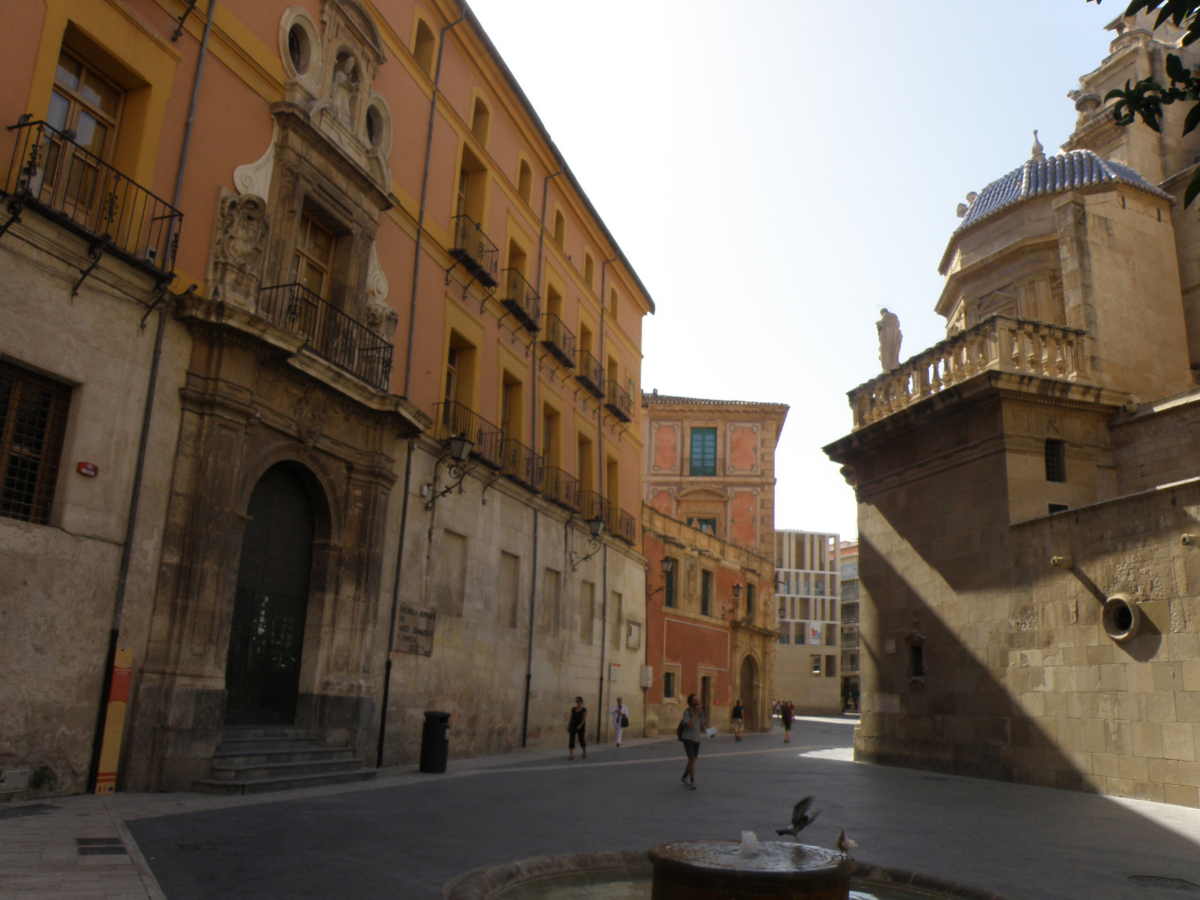
Close to the cathedral, and next door to the Church of San Juan de Dios, the former San Fulgencio Seminary, built in the 18th century, was recently restored and now is the home of a secondary school.
The main facade gives public access to the cloisters.
San Bartolomé
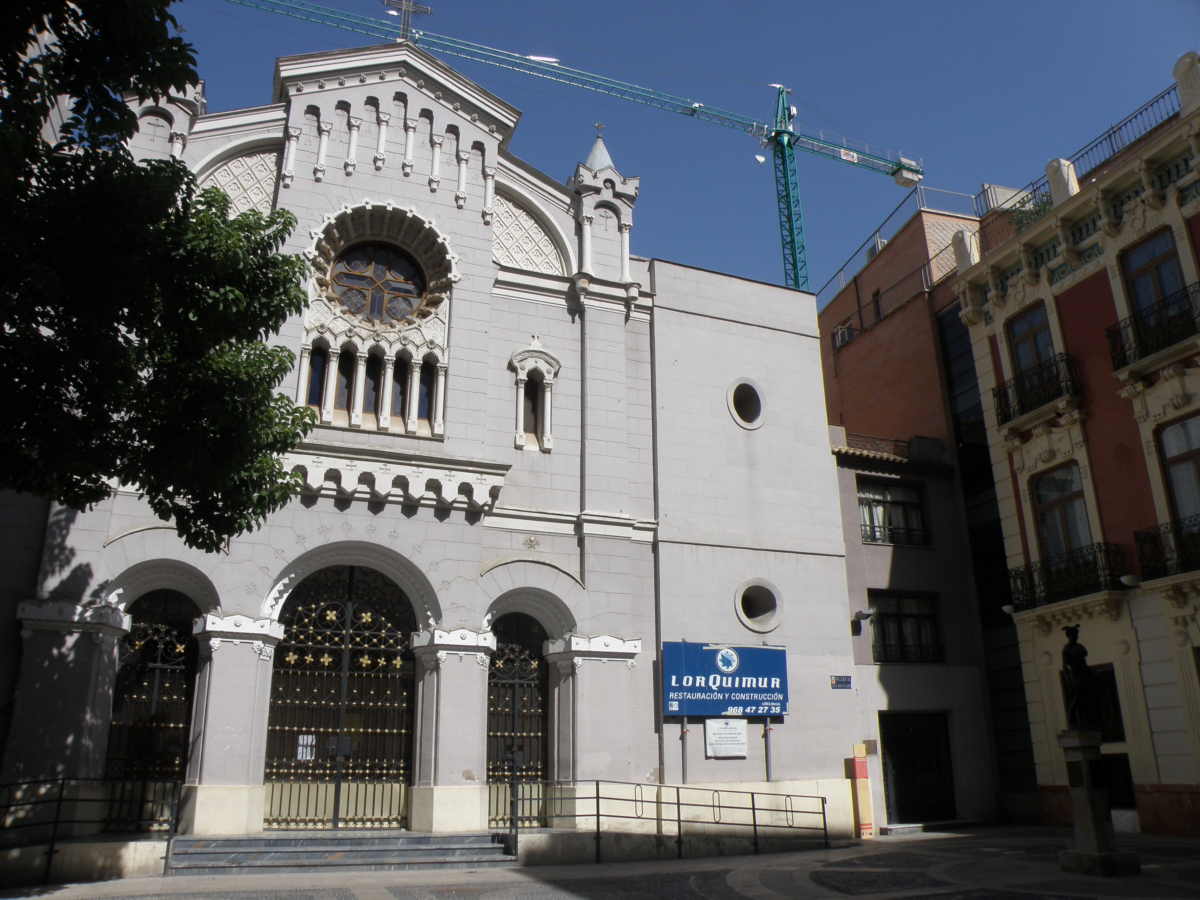
Dating originally from the 17th century, the church was rebuilt in the 19th and not much remains from the original.
In the civil war most of its rich contents was stolen and only part of them could have been recovered and are displayed again.
Santa Catalina
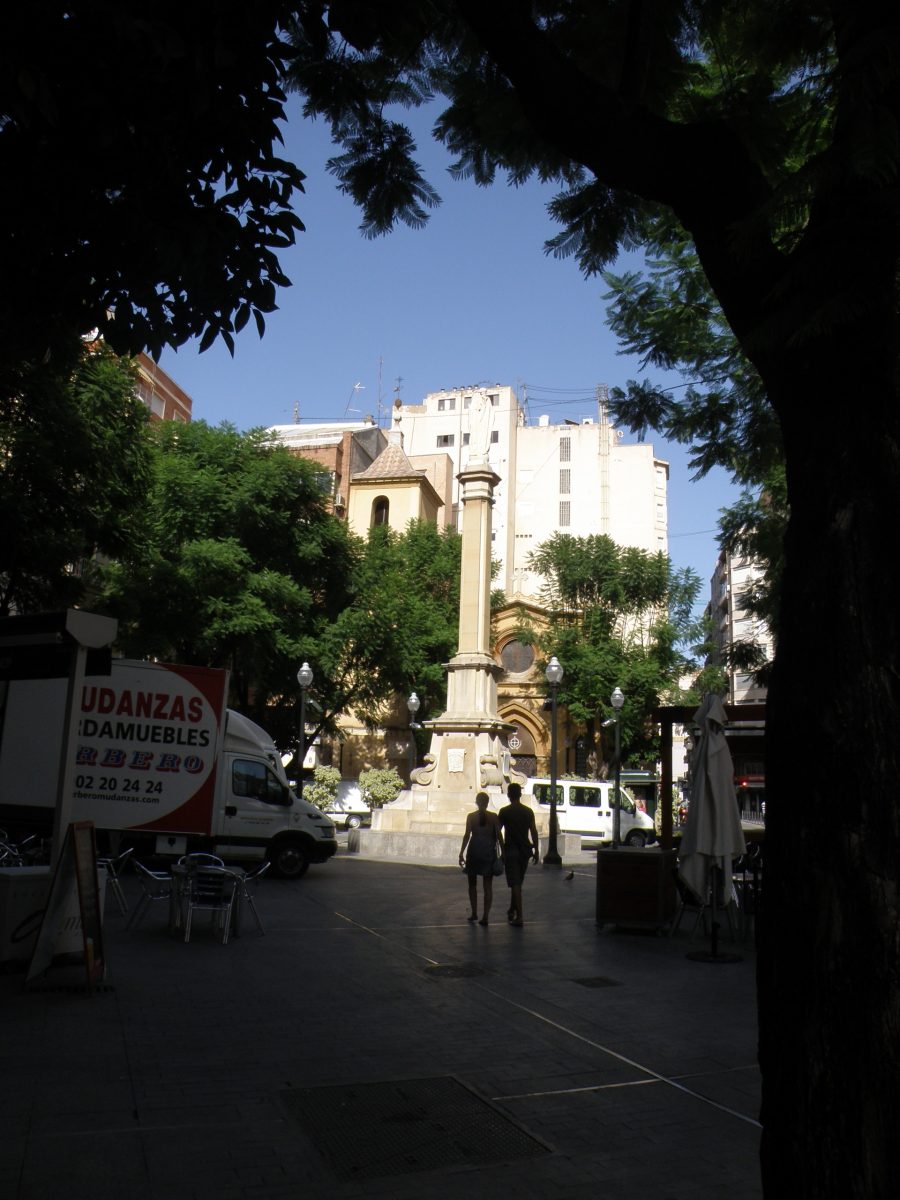
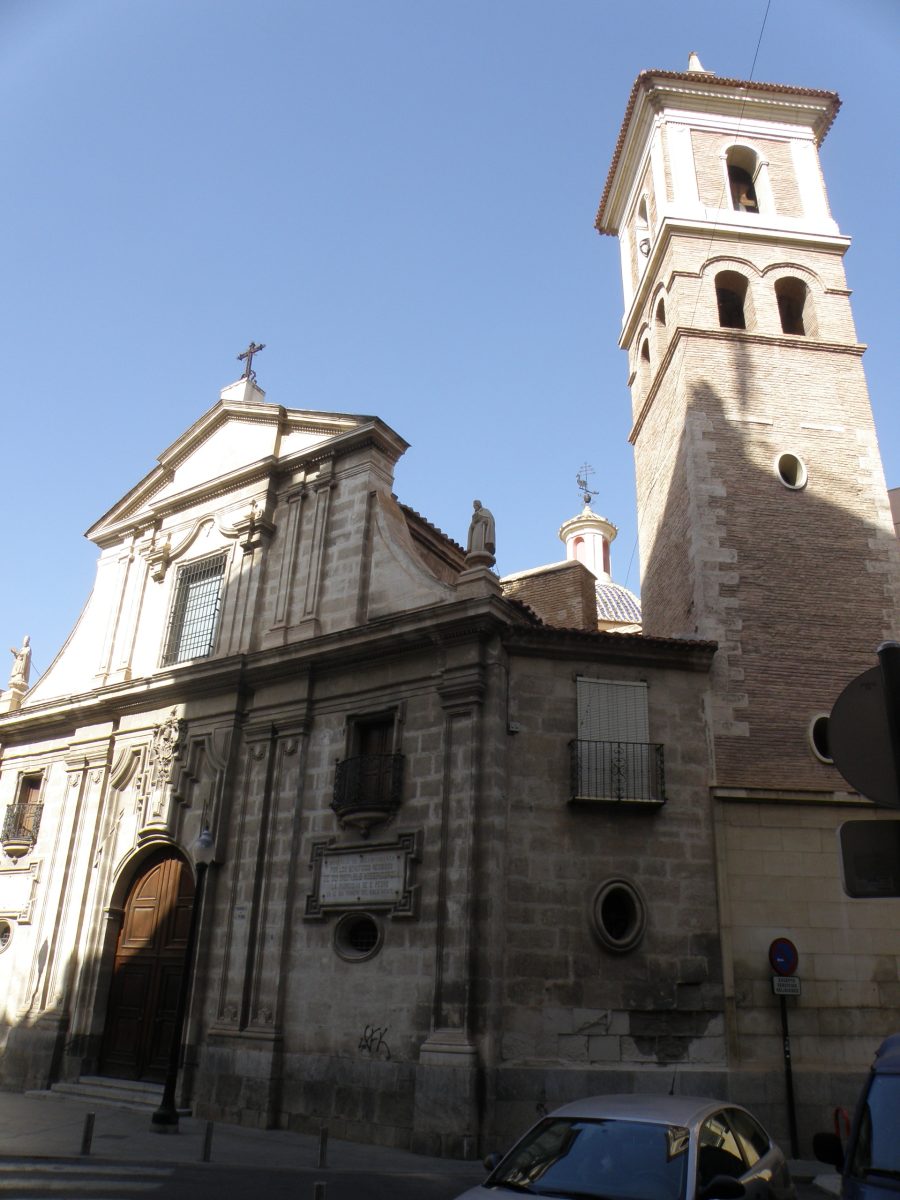
Giving name to one of the most beautiful squares in Murcia, Sainte Catalina church is one of the oldest in town.
It was built in the 16th century, from a Muslim mosque, in Mudejar, a compromise between Muslim and occidental architecture.
Some other nice elements compose this historic square, with evidence to Ramon Gaya museum and La Union and Fenix monument.
Santa Ana
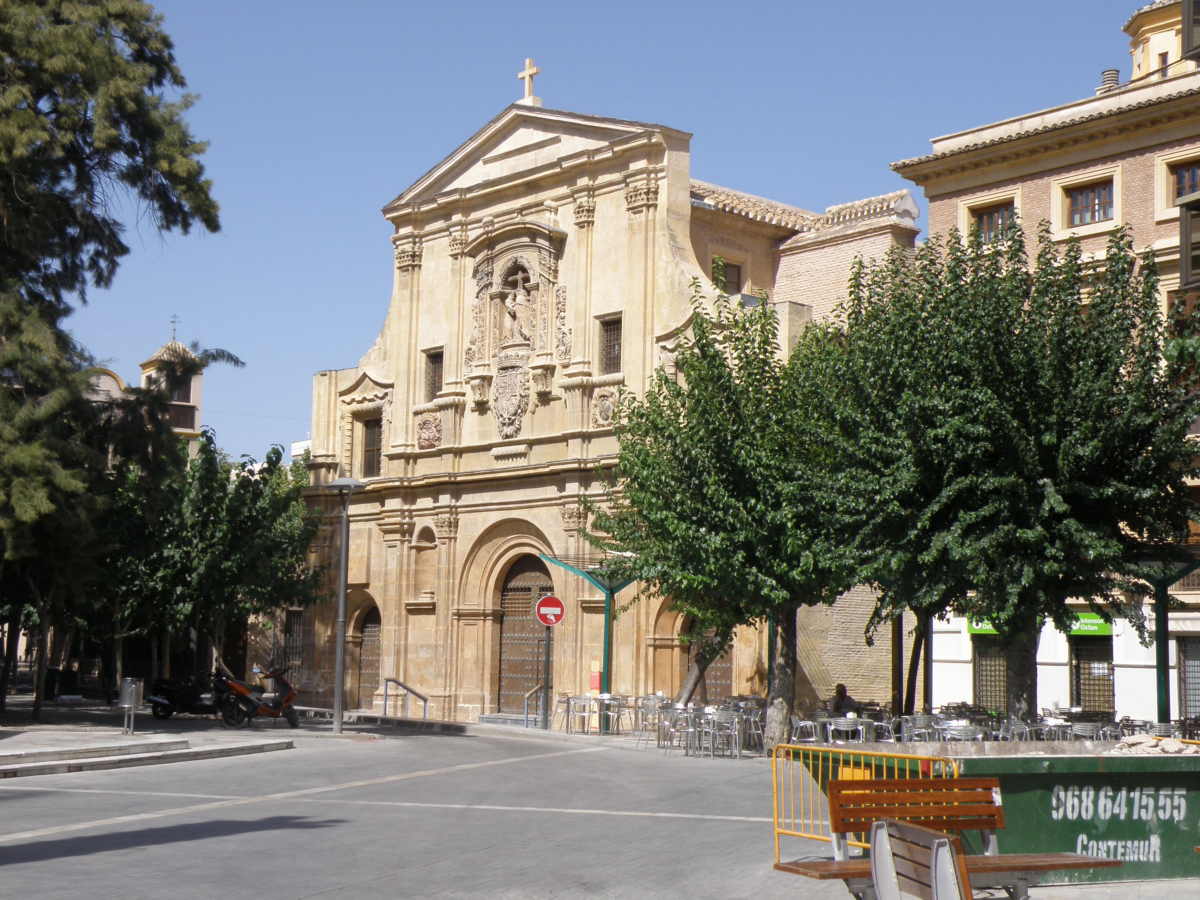
Built between 1728 and 1738, this is the third church to be raised on the site of the convent founded in 1490.
Several artists worked in it, but the most uncommon detail is the selling of freshly- baked cakes by the Sisters of the Enclosed Order, through a revolving hatch, that I couldn’t confirm locally.
San Pedro Church
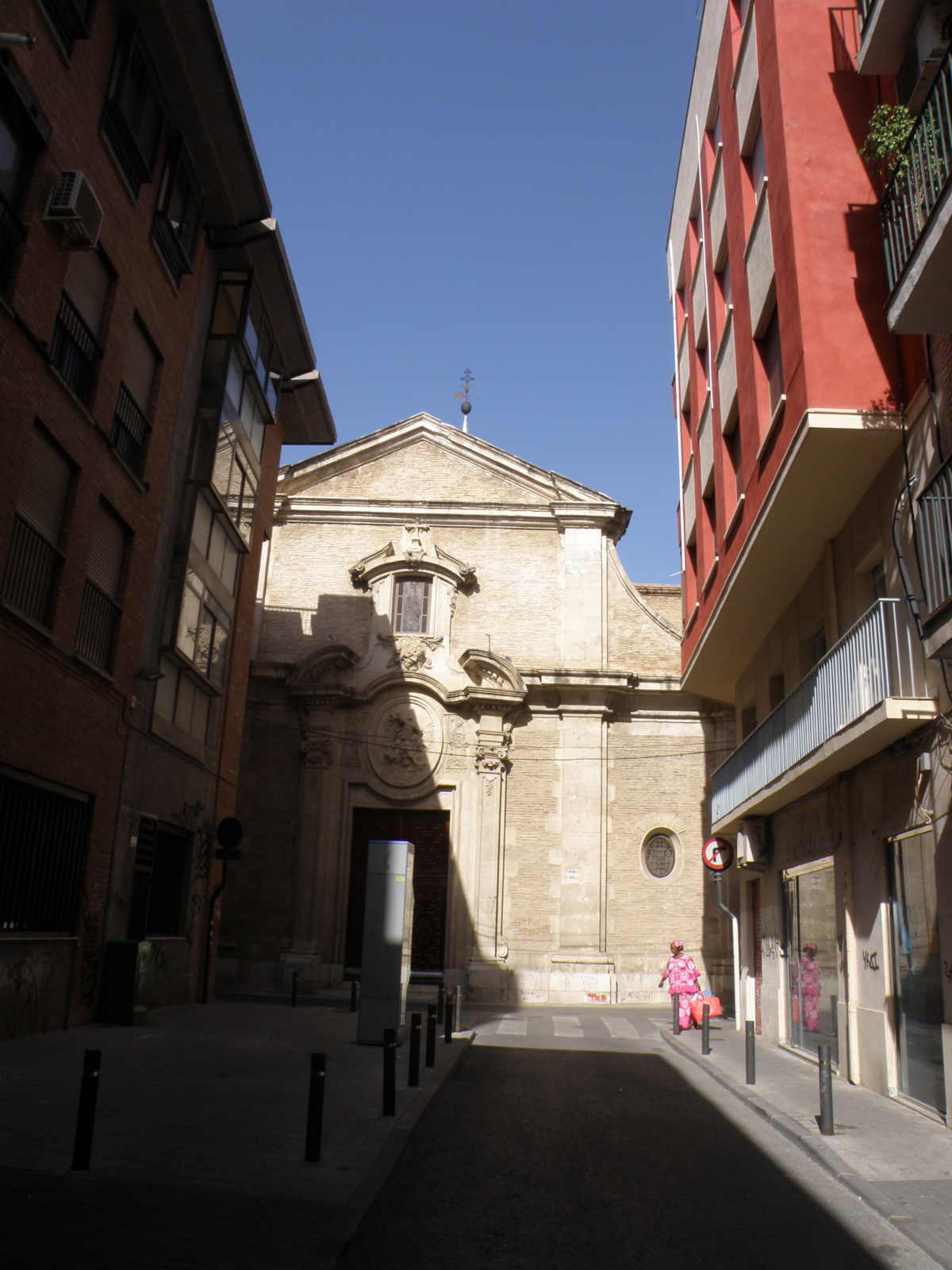
As many other in Spain and Portugal, this Catholic church replaced a Muslim mosque in the 13th century, however, the actual building was started in the 17th and finished in the 18th centuries.
That’s, maybe, the reason why it mixes Renaissance details with Baroque, with a rich interior.
Santa Clara
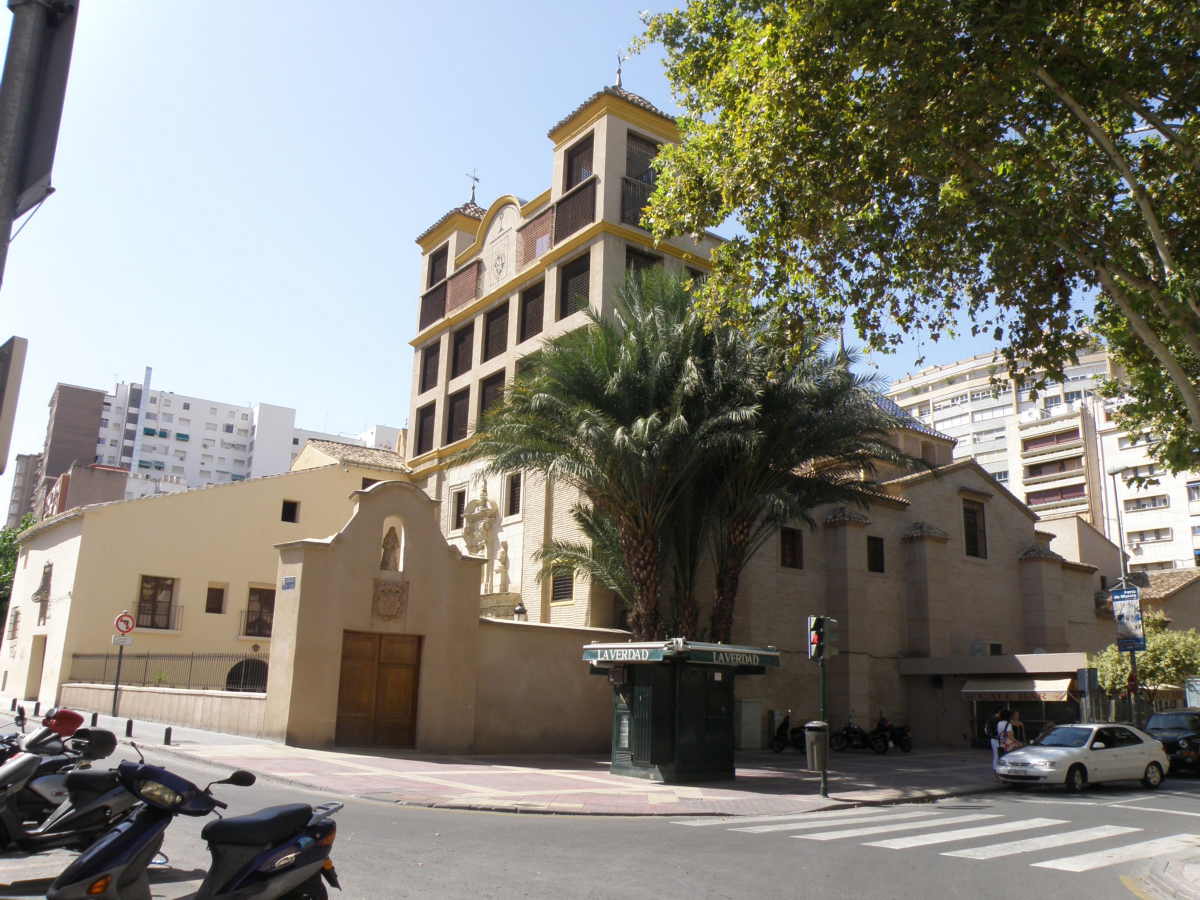
One of the most important monuments in Murcia is this monastery, coming from the 14th century.
Built in location of a former Muslim alcazar, the remains were preserved, adding Muslim details to a Gothic cloister and a Baroque church.
Nowadays it houses also the museum of Santa Clara.
San Esteban
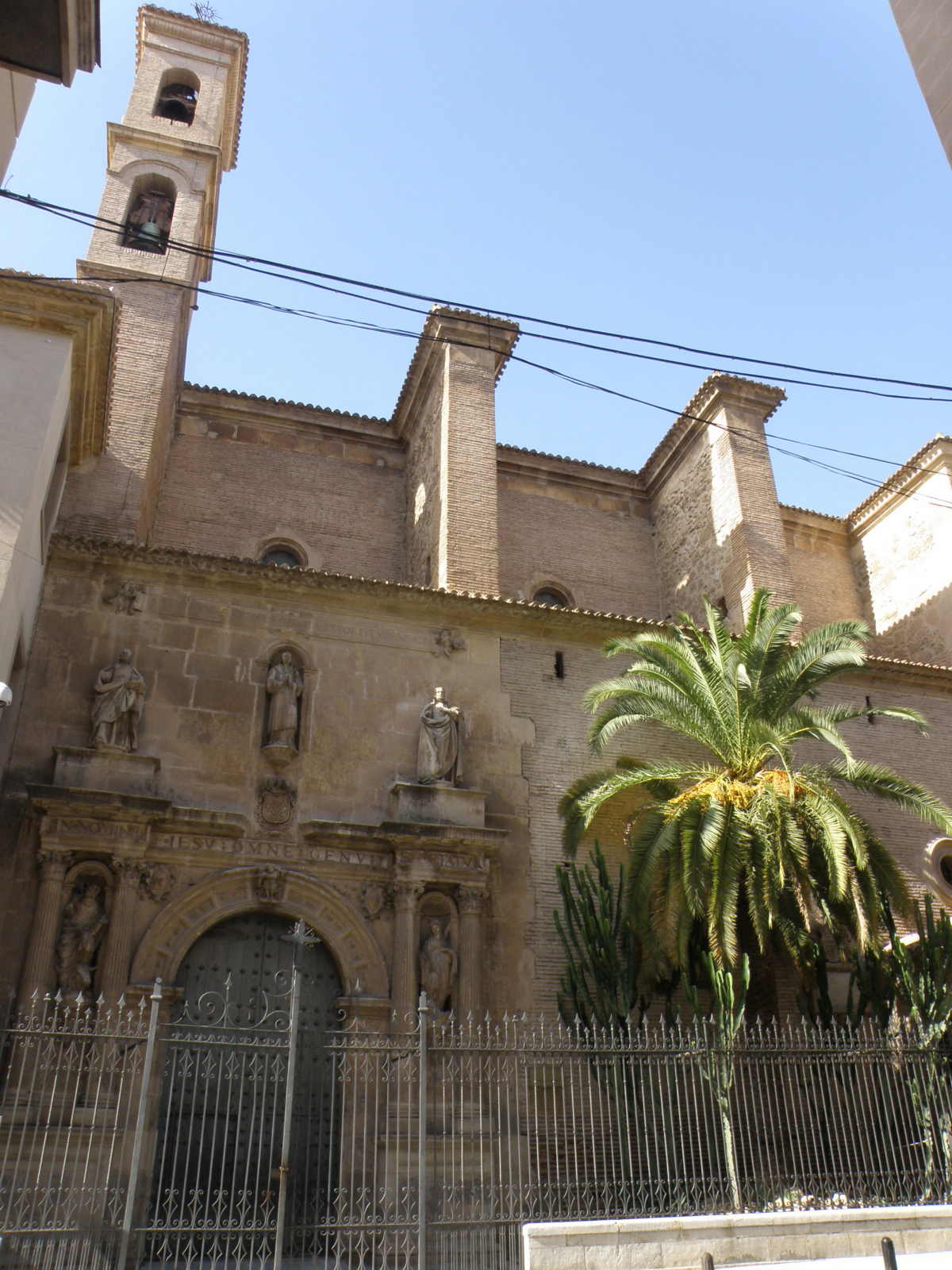
This church built in the transition from the 15th to the 16th centuries was demystified, and it is now used for exhibitions of art, mainly Baroque altarpieces and images, its visit being conditioned by that use.
San Nicolas
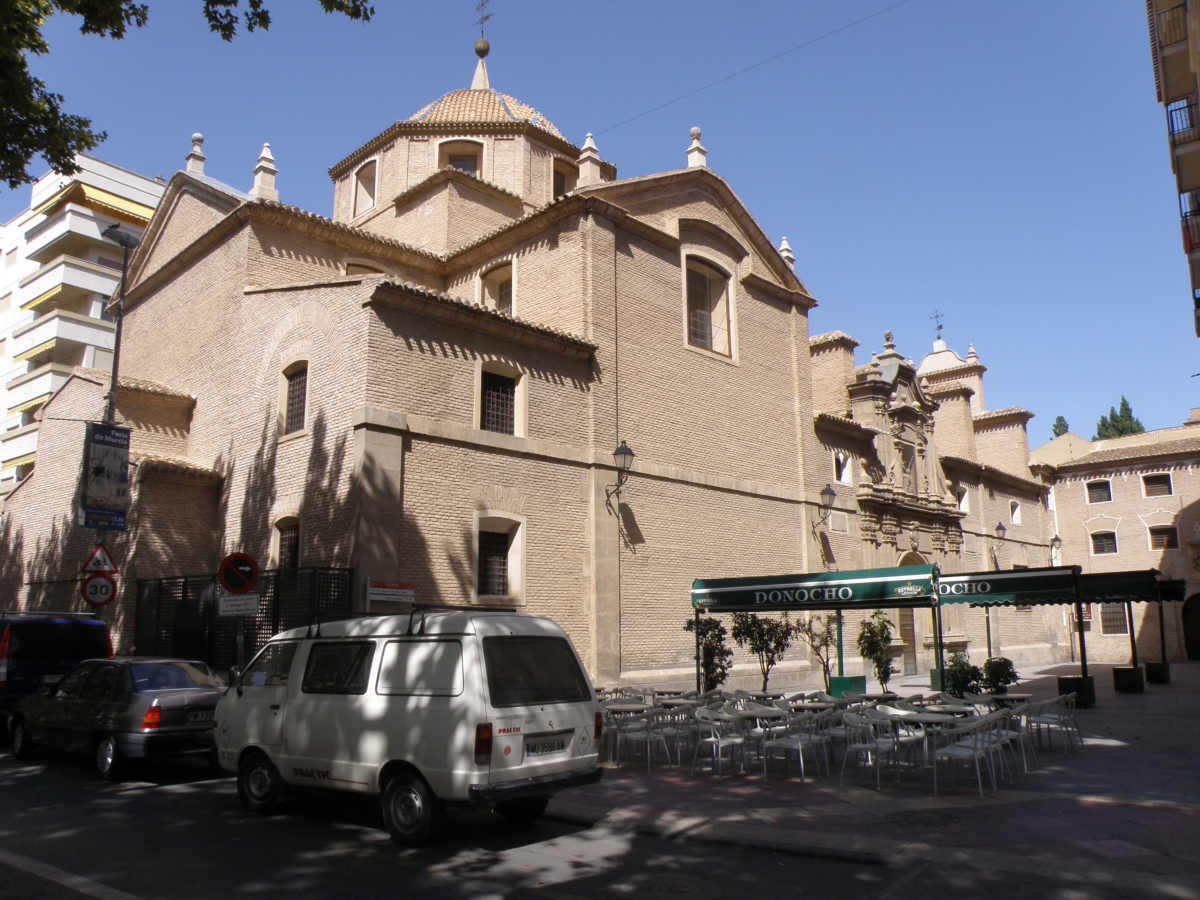
In Baroque style, this church coming from Muslim times, was deeply transformed after 1736, when the new style was adopted.
The facade is one of the jewels of Baroque for its singular conception.
Archaeological Museum
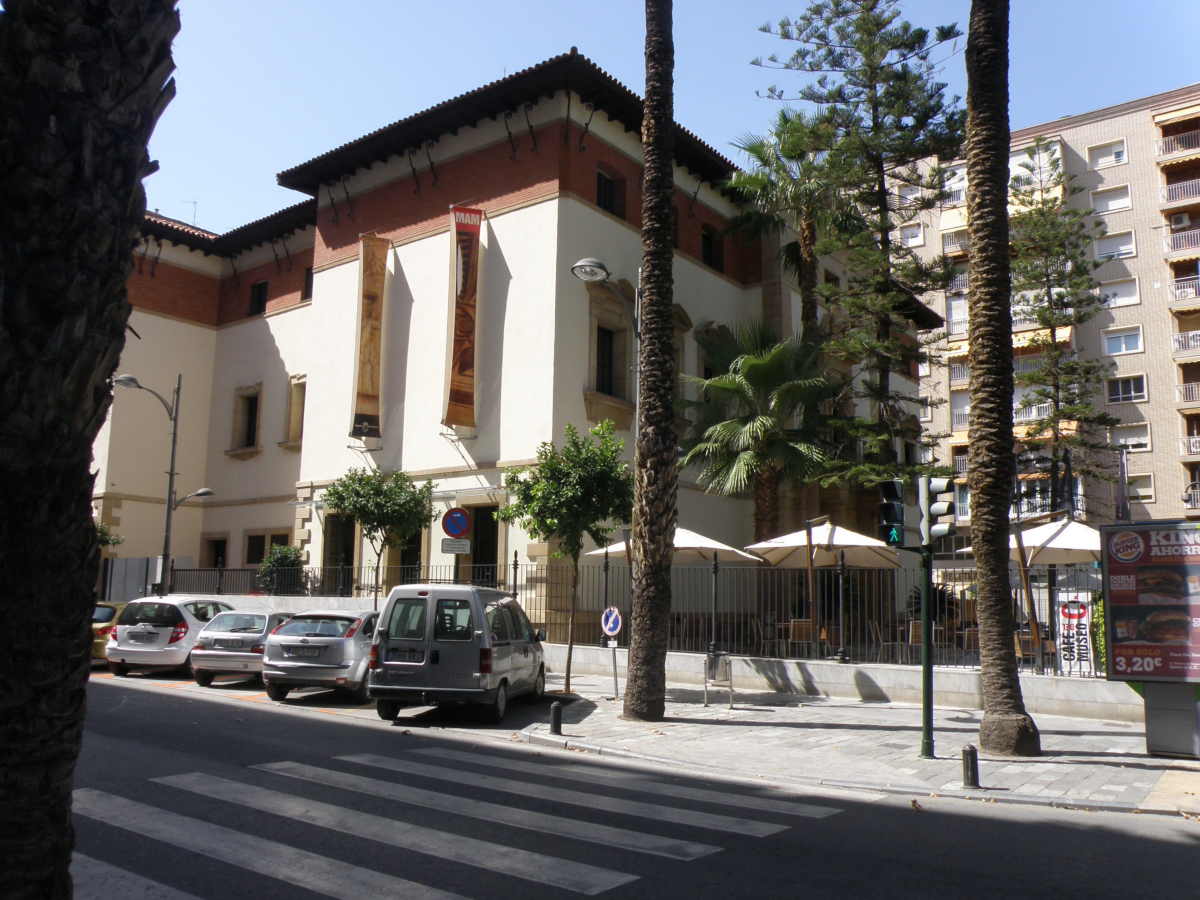
It’s free to enter, but it demands a little bit of something that I didn’t have – time.
It has one of the best collections of pré-history in Spain.
Address: Avenida Alfonso, X 7
Website: Museum
Traperia
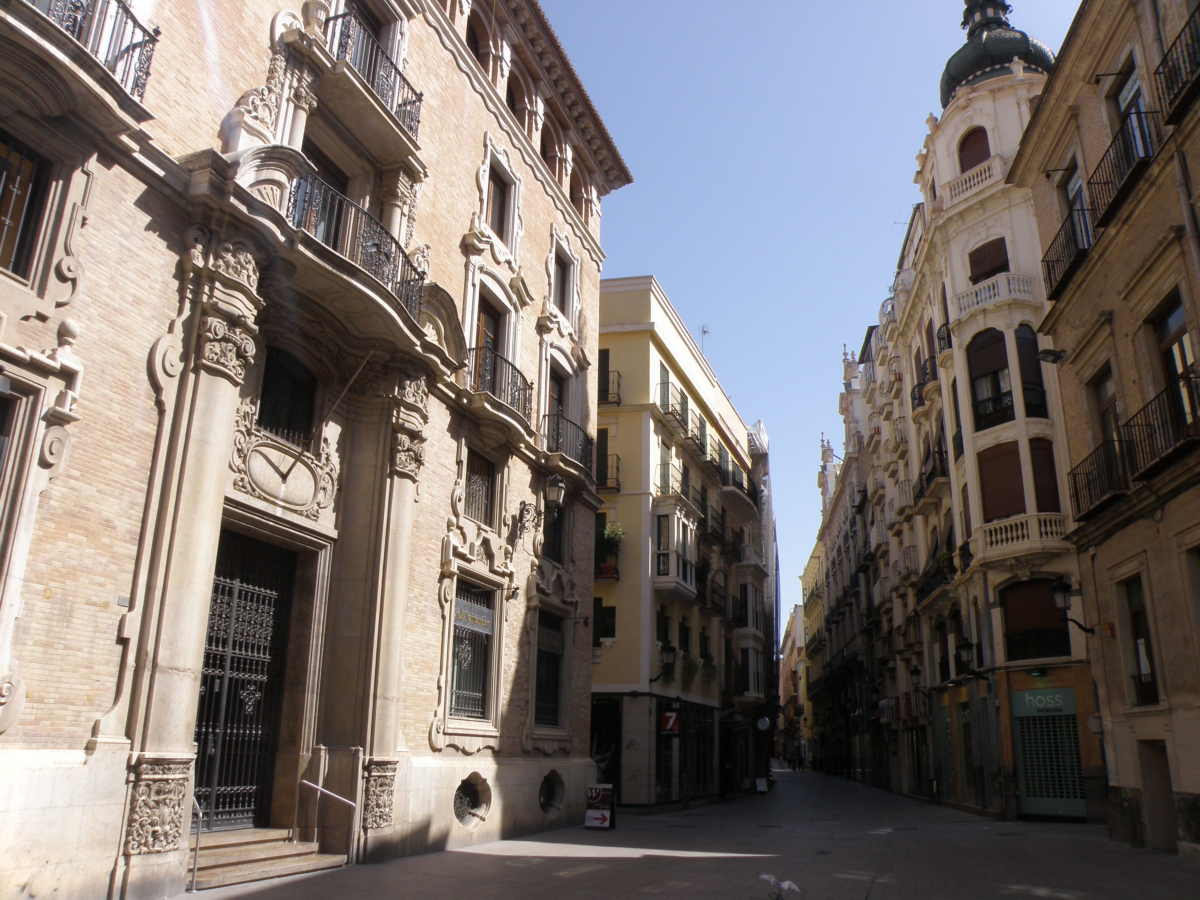
The most interesting streets in Murcia are calle de Traperia and calle de Plateria, at its side.
Starting (ending for me) in the cathedral, they define a pedestrian area with lots of monuments and commerce, fairly representing the centre of town.
Casino
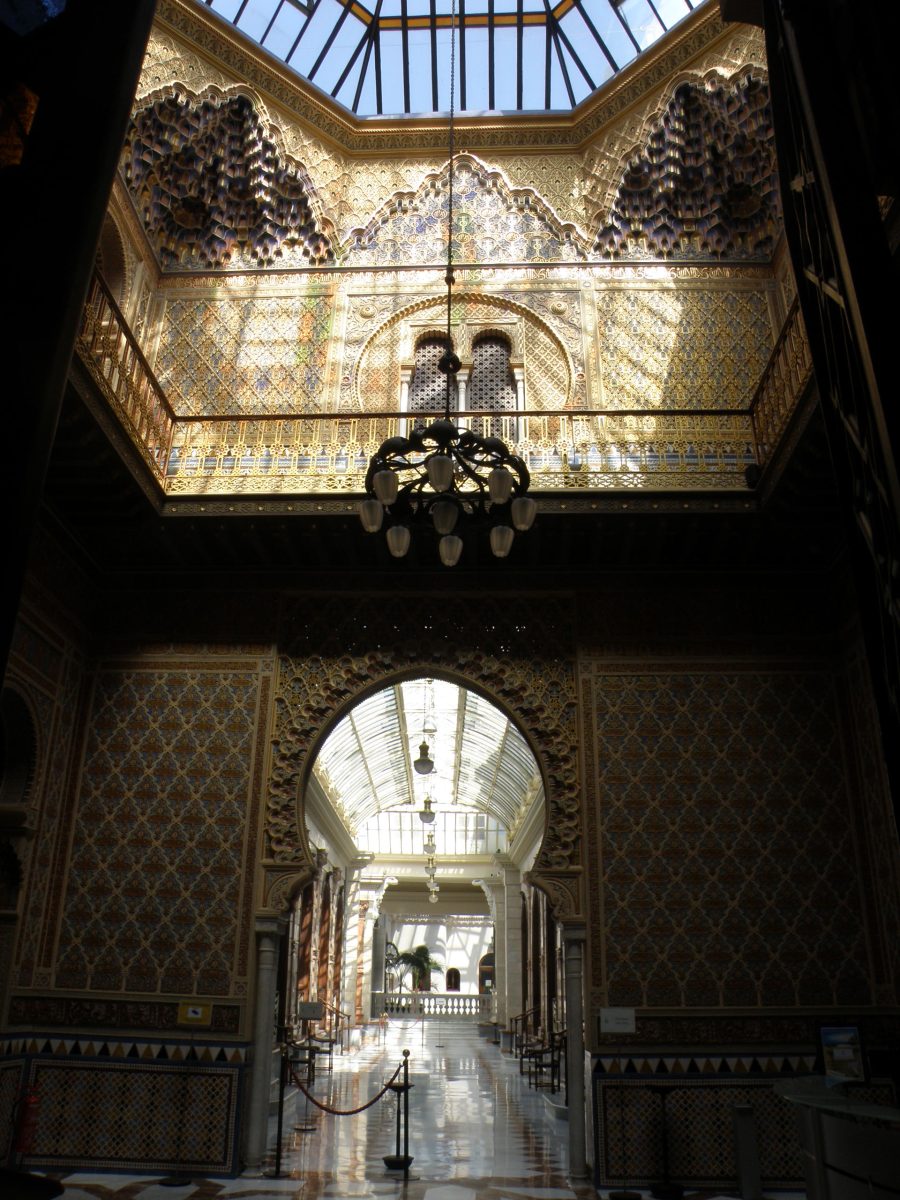
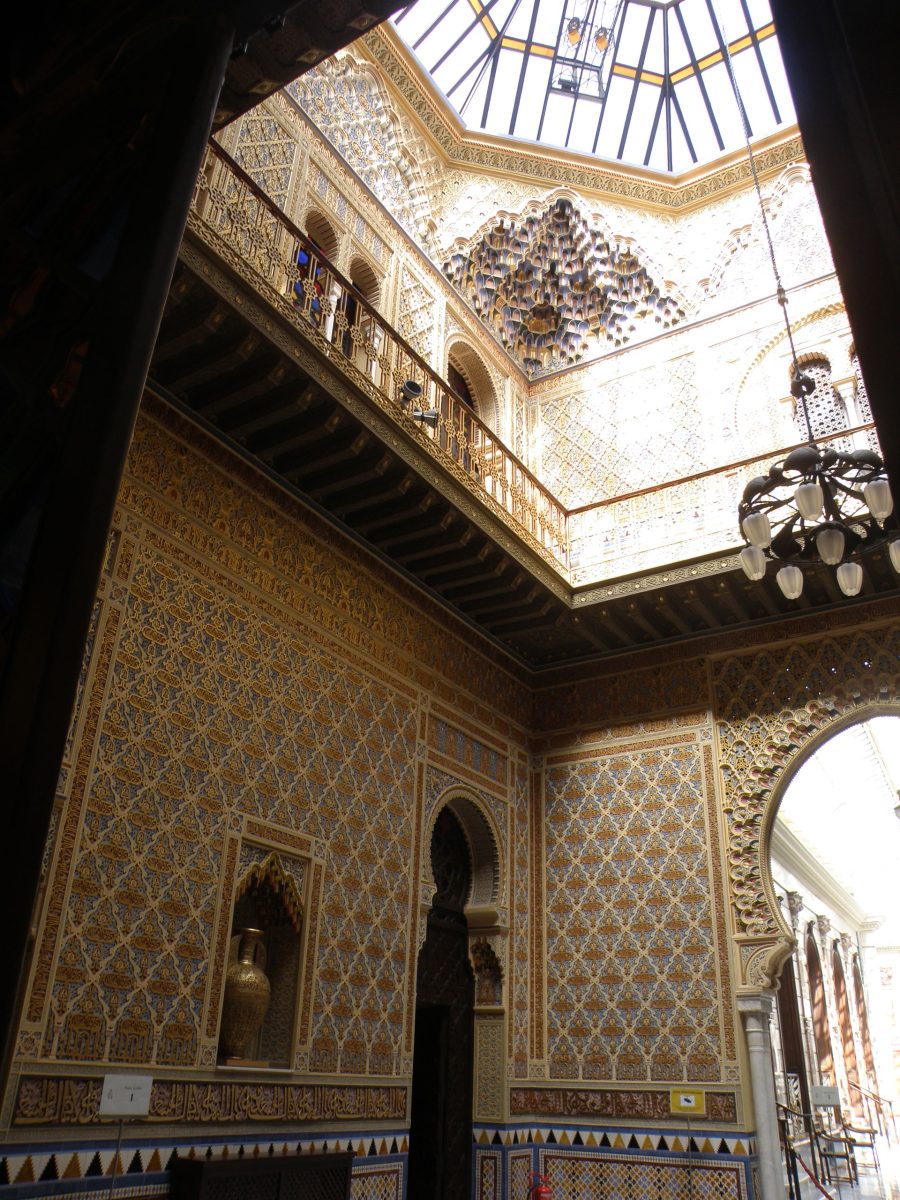
The Royal Casino in Murcia is a precious building in Arab style, carefully recovered in 2009.
It is something not to be missed, even you decide not to risk a euro in the slot machines as I did. I surely recommend you to read the detailed information following the link indicated below.
Website: Casino
San Miguel
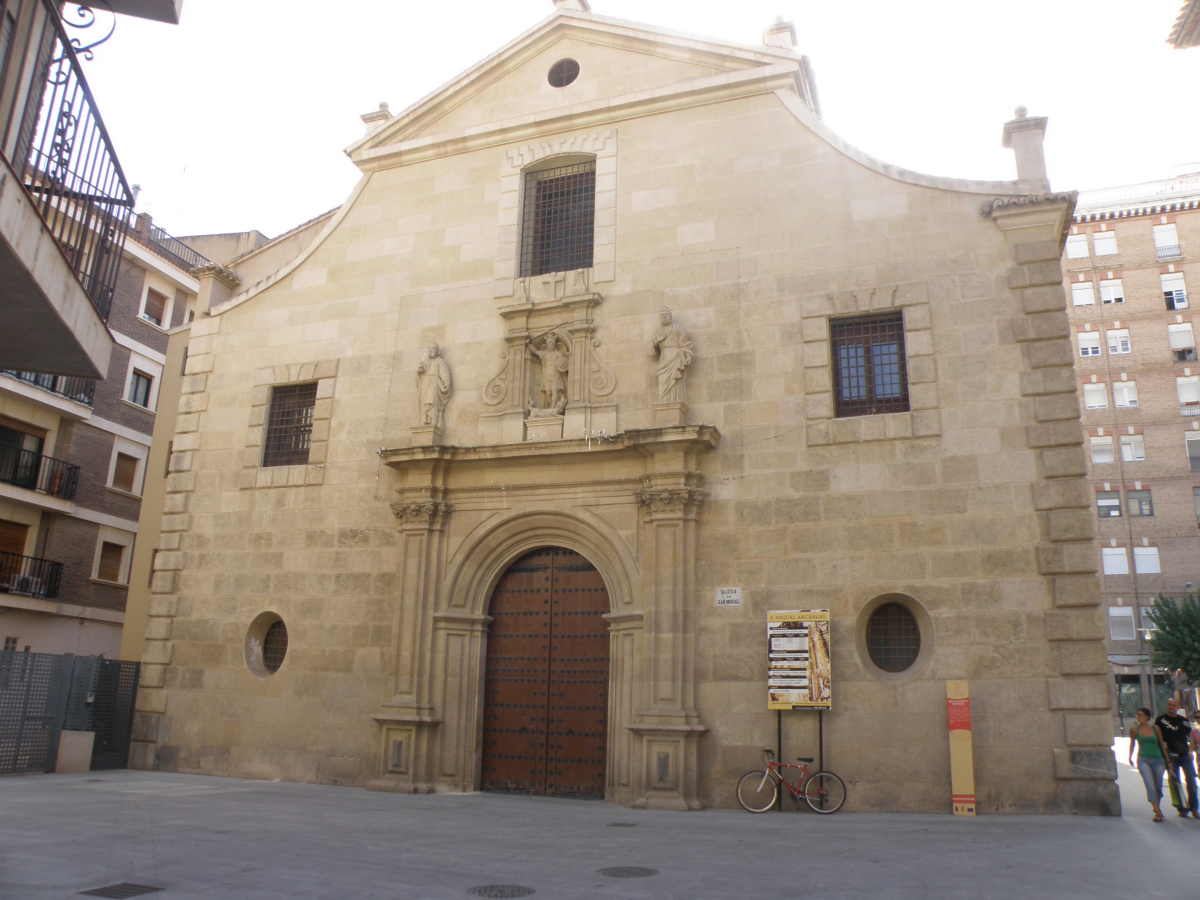
As usual in Baroque, a discreet exterior hides a rich interior in many monuments.
That’s the case of San Miguel, a church built by the end of the 17th century, a church that you must enter.
Ayuntamiento
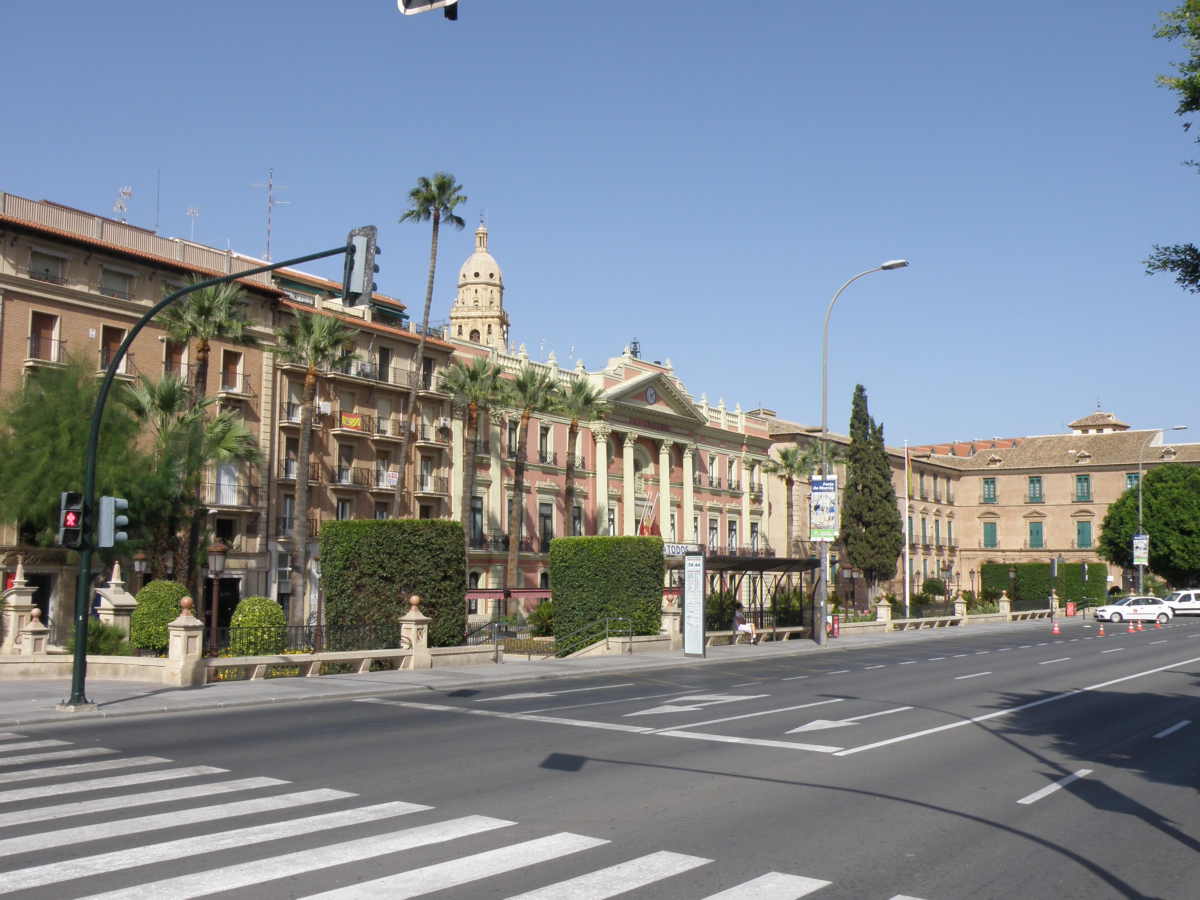
Lining Segura river, Glorieta, a rectangular and flourished square, with cardinal Belluga statue, is backed by the beautiful building of City Hall, with the palace of the archbishop closing one of the tops.
With a Neoclassic facade, the palace was built in 1848.
La Glorieta de Murcia
The old Arab Alcazaba was a palace by the river, strategically located out of the centre to easy the escape, if needed.
In 1266 it was conquered by the Christians, but the palace remained until 1500.
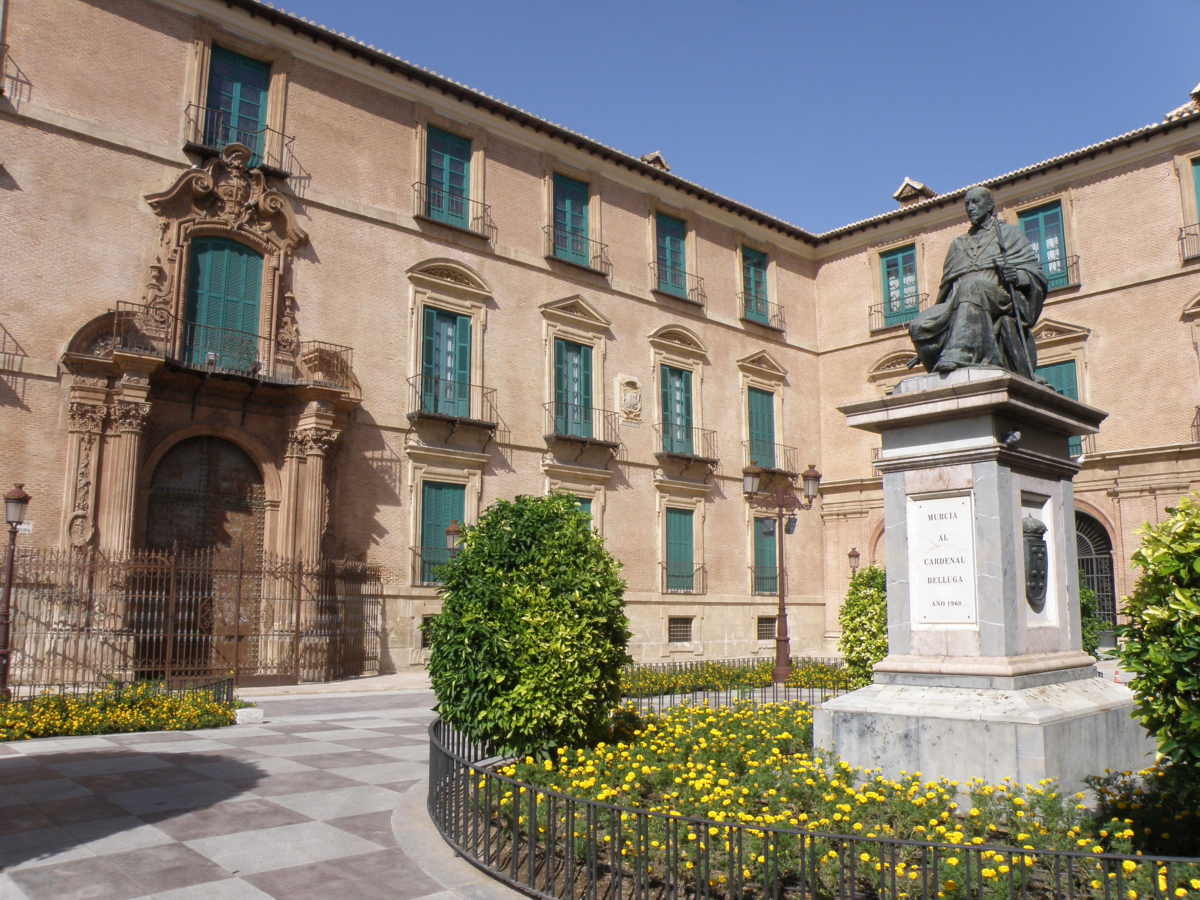
After that, large transformation gave place to a large rectangular square, limited by City Hall and the Archbishop’s palace.
Two statues and lots of flowers give the place a nice and colorful look.
Almudi palace
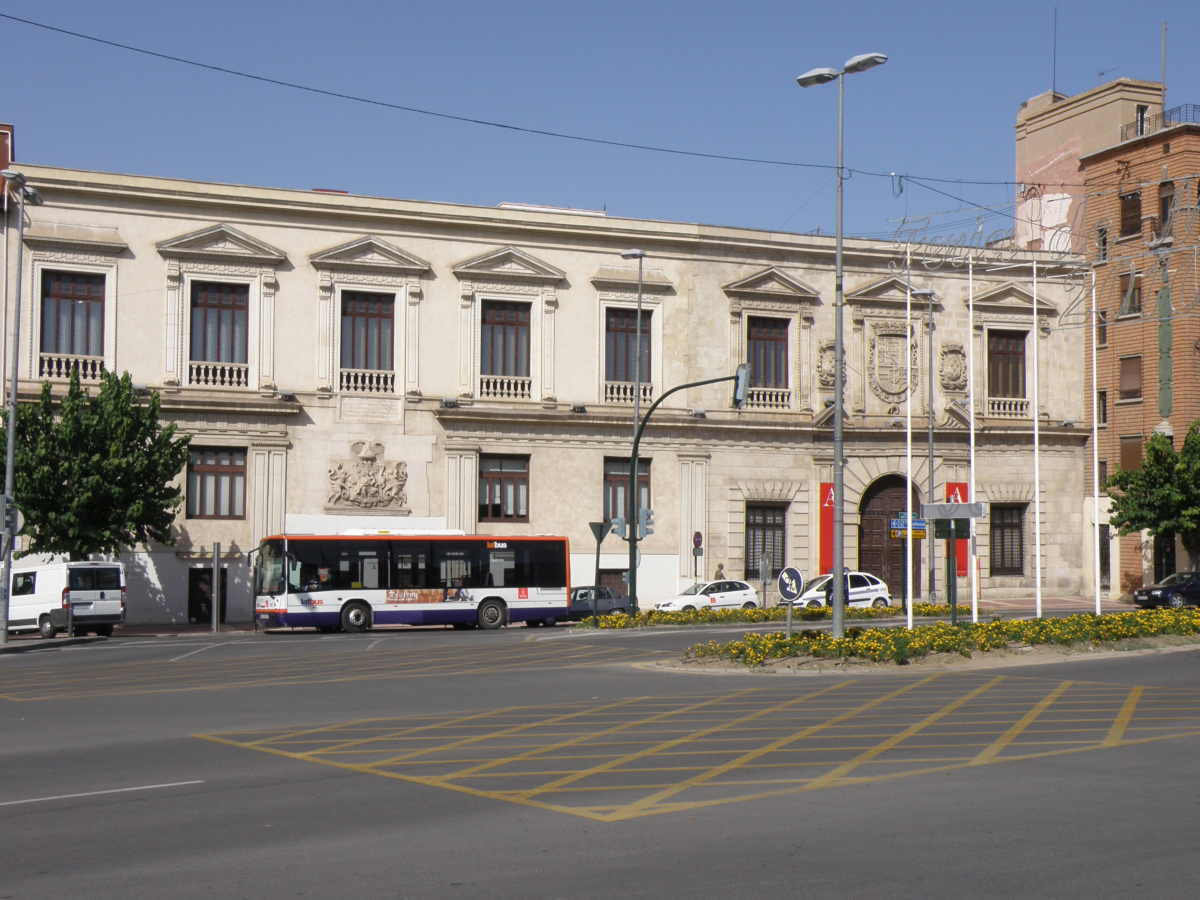
A grain silo from the 15th century was later used for other purposes suffering several transformations during the 17th century.
After being a court, it is now used as the city archives.
Verónicas Market
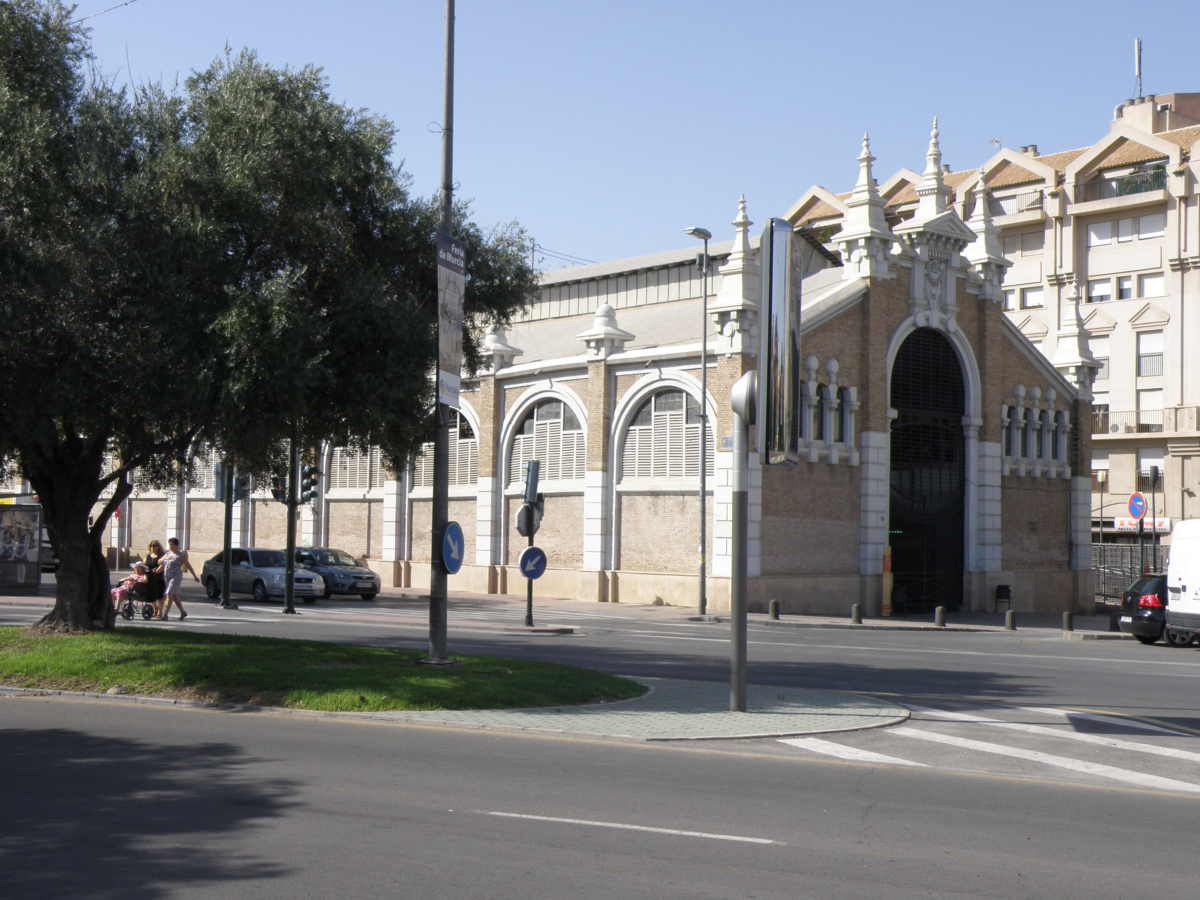
Close to the river, a market built in the beginning of last century keeps being used, with important role in local distribution.
Vegetables, fish and meat are regularly sold, in a place where some works in 1975 to improve the inner conditions didn’t harm its Modernist look
Punic wall
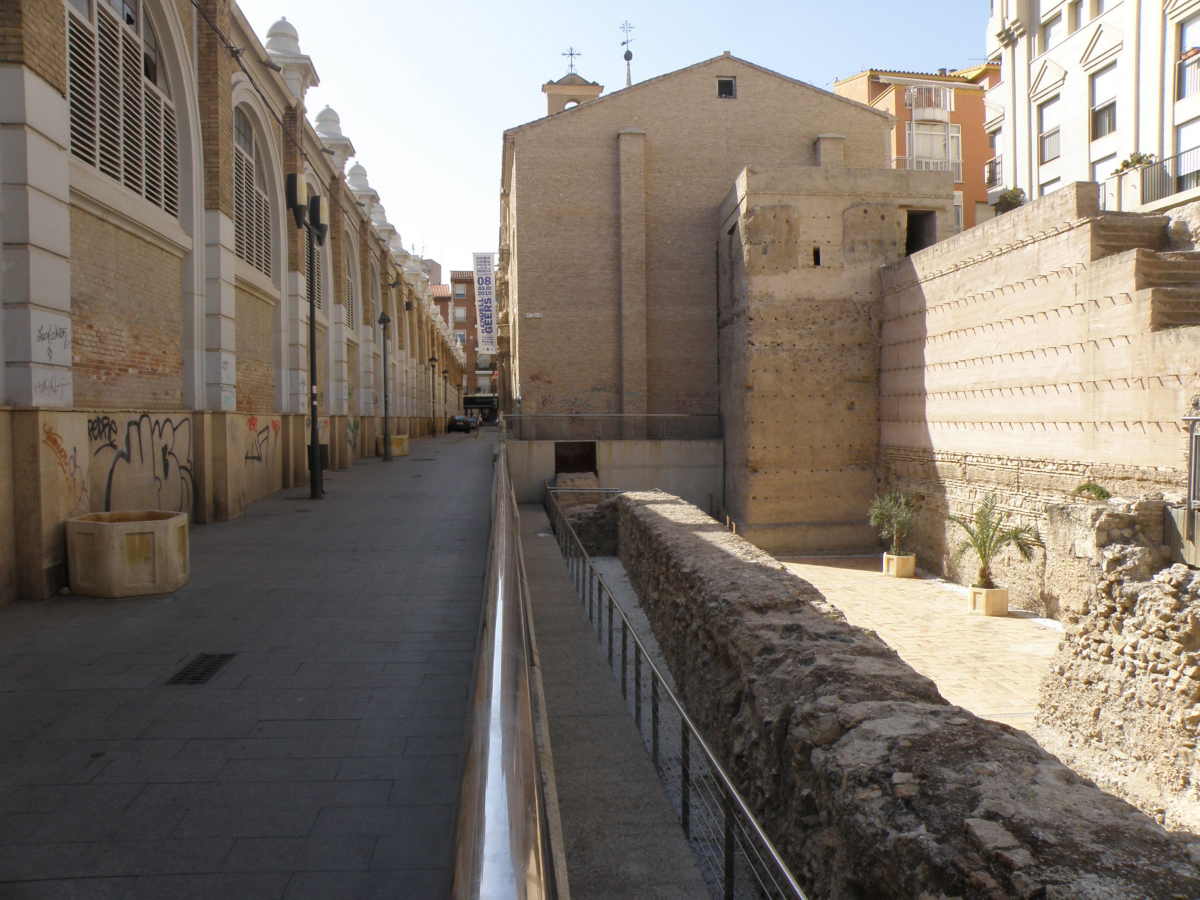
Flanking Verónicas market a delimited place is signposted as “a Punic wall”.
Well, there’s a very old wall with not much to see or to understand.
Excavation seems to go on, so maybe… one day…
Segura river
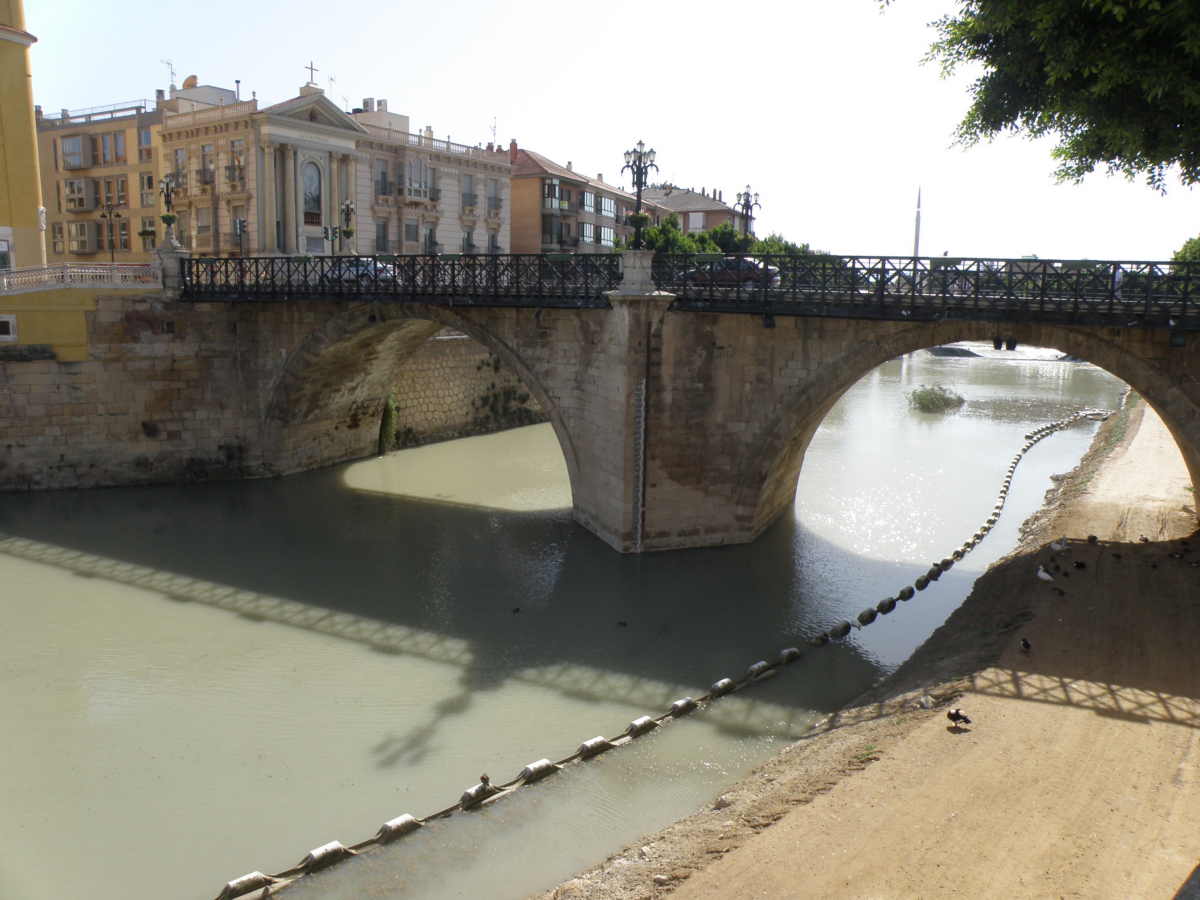
Flanked by the Malecon, a 15 Km long walkway three meters above the ground to protect the city from flooding, the river is a landmark, with several natural and artificial interesting details – at least in the central part of it.

Eating in Murcia – 1st great visit
If you want to easily publish your own experiences, after registering you may use the form below. It will be added after revision. You may use text, photos till 20Mb or video. For a more complex publication click here.
Publishing form
You need to be logged in to view this page
Your trip will be perfect with the help of our partners
For a great experience:
For your safety:

For your comfort:
For cheap flights:
For local displacements:
 English
 Português
What comes through nicely here is how the description ties the landscape to daily life — the orchards (huerta) aren’t just scenery, they’re framed as literally shaping the region’s food and rhythm. That’s a nice touch beyond the usual “cathedral and old town” checklist.
The day trip section is a strong addition too — pairing Cartagena’s Roman heritage with Sierra Espuña’s hiking and La Manga’s coastline gives a real sense of how varied southeastern Spain is within easy reach, not just Murcia in isolation. Good call also flagging tap water safety and the shoulder-season timing (March–June, Sept–Nov) — those are the practical details people actually search for when planning, not just the poetic stuff.
Thank you for your thoughtful feedback. I’m glad the depth and regional context resonated with you. It’s exactly the kind of perspective I aim to bring to each destination.