

Halfway between Vila Real and Chaves, this town, while not being a top tourist destination, has its attractions, and some pride in its gastronomy.
Overview
Vila Pouca de Aguiar lies in northern Portugal, shaped by granite landscapes, green valleys and a calm rhythm that reflects the essence of Trás‑os‑Montes. The town feels grounded and welcoming, with traditional architecture, quiet streets and a strong connection to nature. Surrounded by mountains and rural villages, it blends history with simplicity, offering a peaceful setting for those who appreciate authenticity and scenic beauty. Vila Pouca de Aguiar carries the character of the Portuguese interior — resilient, serene and deeply tied to its land.
Best time to visit
The best time to visit Vila Pouca de Aguiar is from May to September, when mild temperatures and clear skies make walking, driving and exploring the region ideal. Spring brings fresh air and blooming countryside. Summer offers bright days and lively local festivals. Early autumn provides soft light and comfortable conditions for discovering villages and viewpoints. Winter is cooler and quiet, suited for those who enjoy peaceful mountain scenery.
Getting around
Vila Pouca de Aguiar is easy to explore on foot, with its compact center inviting relaxed strolls between cafés, shops and local landmarks. A car provides flexibility for reaching nearby villages, reservoirs and mountain viewpoints. Roads are scenic and well maintained, reflecting the region’s blend of rural calm and natural openness.
Safety and local etiquette
Vila Pouca de Aguiar is safe and friendly, with a warm atmosphere typical of northern Portugal. Normal precautions are recommended in busier areas and on mountain roads. Locals value politeness, community spirit and respect for traditions. Visitors are encouraged to greet people warmly and enjoy the town’s gentle rhythm.
Food and water
The cuisine of Vila Pouca de Aguiar reflects regional flavors shaped by local meats, vegetables and traditional recipes. Dishes such as roasted lamb, smoked sausages and hearty stews highlight the area’s gastronomic identity. Restaurants offer generous meals rooted in local produce. Tap water is safe throughout the region. Dining is social and often connected to rural life, matching the town’s welcoming character.
Day trips and excursions
Vila Pouca de Aguiar is perfectly positioned for exploring Trás‑os‑Montes. The Alvão Natural Park offers waterfalls, granite cliffs and scenic trails. Pedras Salgadas reveals thermal heritage and forest walks. Nearby villages showcase traditional architecture and local crafts. Reservoirs and mountain viewpoints provide quiet landscapes and panoramic views. Each excursion complements Vila Pouca de Aguiar’s calm atmosphere with nature, culture and regional authenticity.
Essence of Vila Pouca de Aguiar
The essence of Vila Pouca de Aguiar lies in its harmony between mountain landscapes, rural heritage and warm local life. Sunlight touches granite façades, valleys stretch toward the horizon and the town breathes a rhythm shaped by both tradition and nature. It is a place where life feels grounded, where community defines identity and where everyday moments carry a gentle northern tone. Vila Pouca de Aguiar embodies the authentic soul of Trás‑os‑Montes — peaceful, welcoming and unmistakably Portuguese.
Highlights in Vila Pouca de Aguiar:
In the village we may visit the historic center. Around it several good attractions may be visited in minutes, such as Vidago and Pedras Salgadas spas, the Tresminas complex of roman mines, the castle of Aguiar da Pena or Alvão walkways.


- Vila Pouca de Aguiar is located in the district of Vila Real, in the historic region of Trás-os-Montes.
- The municipality is renowned for its rich archaeological heritage, particularly the remarkable Roman Mining Complex of Tresminas, one of the largest Roman gold mining sites in Europe.
- Tap water is safe to drink and of excellent quality.
- Tresminas preserves impressive Roman tunnels, excavation galleries, and mining structures dating back nearly 2,000 years.
- The municipality is surrounded by beautiful natural landscapes, including mountains, forests, rivers, and traditional rural villages.
- Vila Pouca de Aguiar lies close to the Alvão Natural Park, one of northern Portugal’s most scenic protected areas.
- The region preserves strong traditions linked to agriculture, livestock farming, and mountain culture.
- The municipality contains numerous granite villages, chapels, manor houses, and historical landmarks.
- Nearby attractions include Vila Real, Chaves, Pedras Salgadas, Bornes de Aguiar, Alvão Natural Park, and the Douro region.
- Pedras Salgadas, famous for its naturally carbonated mineral water and thermal spa, is located within the municipality.
- The region is known for smoked meats, Barrosã beef, honey, chestnuts, mushrooms, olive oil, and traditional Trás-os-Montes cuisine.
- Traditional gastronomy highlights include roast kid goat, smoked sausages, posta à transmontana, artisan bread, and regional desserts.
- The municipality offers excellent opportunities for hiking, cycling, nature tourism, archaeology, and scenic drives.
- The destination is safe and visitor-friendly; normal precautions are generally sufficient.
- Credit and debit cards are widely accepted throughout the municipality.
- The official currency is the Euro (€).
- A car is highly recommended for exploring archaeological sites, mountain landscapes, villages, and thermal attractions.
- Respect archaeological remains, natural areas, agricultural properties, and local traditions when visiting.
Vila Pouca de Aguiar enjoys a continental Mediterranean climate with mountain influences, due to its location between the Alvão and Padrela mountain ranges in the heart of Trás-os-Montes.
- Spring (March to May) – mild temperatures, green landscapes, and excellent conditions for exploring archaeological sites, mountain villages, and natural areas.
- Summer (June to August) – warm and generally dry, with temperatures typically ranging between 24°C and 34°C.
- Autumn (September to November) – pleasant weather, colourful forests, chestnut season, and ideal conditions for hiking, photography, and rural tourism.
- Winter (December to February) – cold conditions, generally ranging between 0°C and 10°C, with frost and occasional snowfall in higher areas.
Spring and autumn are widely considered the best seasons to visit Vila Pouca de Aguiar.
Today:
🌐 Regional connection
This town is part of the Interior North Cluster, a curated region that connects mountain towns, frontier villages and inland landscapes across northern Portugal.

Vila Pouca de Aguiar – 2 visits
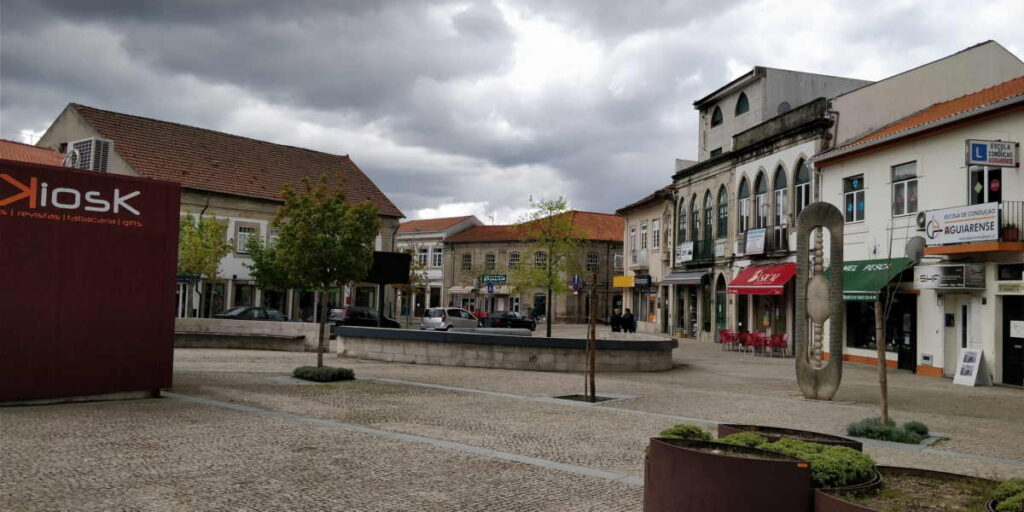
Visiting Vila Pouca de Aguiar
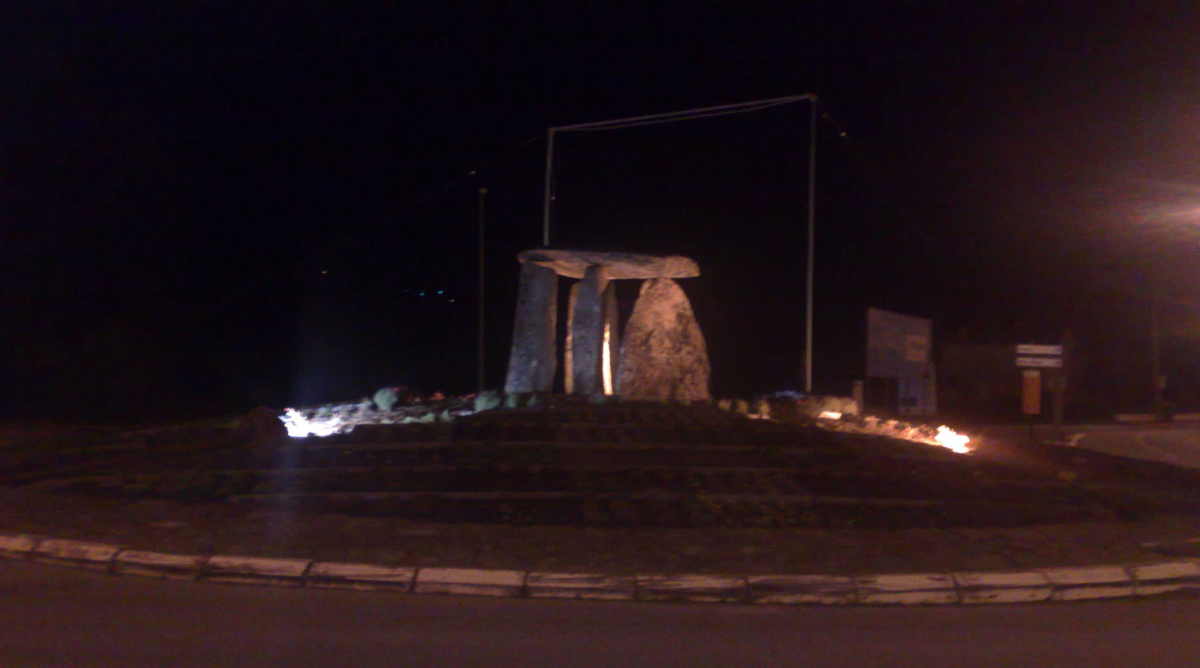
I didn’t see Vila Pouca de Aguiar, when I started writing about it, that’s the truth. I went there to participate in a dancing competition; arrived by night, went straight to the sports hall, danced and left, getting back home at 3 AM.

I found the few that I saw interesting, with the personality common in the cities and villages in the north, and felt sorry for seeing… nothing.
Maybe next event will be in summer, and then I will have daylight to a short visit.
Mission Accomplished!
As promised, I returned, with time enough to see the village, and even for lunch.
It’s not a top destination, but I didn’t waste time, and the lunch was good.


Eat in Vila Pouca – 1 fine restaurant
If you want to easily publish your own experiences, after registering you may use the form below. It will be added after revision. You may use text, photos till 20Mb or video. For a more complex publication click here.
Publishing form
You need to be logged in to view this page
Your trip will be perfect with the help of our partners
For a great experience:
For your safety:

For your comfort:
For cheap flights:
For local displacements:
 English
 Português