

Overview
Meknes is one of Morocco’s imperial cities, a place where monumental gates, long walls and quiet gardens shape an atmosphere that feels both historic and understated. Built largely under Sultan Moulay Ismail in the seventeenth century, the city carries a sense of grandeur expressed through architecture rather than crowds. Its medina is compact and traditional, while the Ville Nouvelle reflects modern Moroccan life. The surrounding countryside of olive groves and gentle hills adds a rural softness that contrasts with the city’s fortified identity. Meknes is a destination for travellers who appreciate heritage, calm and authenticity without the intensity found in Morocco’s larger imperial capitals.
Best time to visit
The best time to visit Meknes is from April to October, when warm temperatures and clear skies make the city ideal for walking and exploring its monuments. Spring brings mild weather and blooming landscapes. Summer is hot but manageable, especially in shaded gardens and historic sites. Early autumn offers soft light and comfortable days. Winter is cooler and quieter, suited for cultural visits and slow exploration.
Getting around
Meknes is easy to navigate thanks to its balanced layout. The medina is walkable, with souks, mosques and small squares connected by narrow streets. The Ville Nouvelle offers wider avenues and modern services. Taxis are convenient for moving between districts or reaching the train station, which provides efficient links to Fez, Rabat and Casablanca. For exploring nearby attractions such as Volubilis or Moulay Idriss, renting a car or hiring a driver offers flexibility and scenic routes through the countryside.
Safety and local etiquette
Meknes is safe and welcoming, with a calm tone that reflects its less touristic character. Visitors should respect religious sites and avoid photographing people without permission. Politeness and modest interaction fit naturally with local customs. The city’s rhythm is gentle, encouraging unhurried exploration of both medina and modern neighbourhoods.
Food and water
Meknes offers traditional Moroccan cuisine shaped by local produce from the surrounding region. Tagines, couscous, grilled meats and pastries appear throughout the medina and the Ville Nouvelle. Cafés and restaurants provide simple, flavourful meals in relaxed settings. Tap water is generally safe, though bottled water is common among visitors. Dining is unpretentious and often enjoyed in quiet, atmospheric spaces.
Day trips and excursions
Meknes is perfectly positioned for cultural and rural excursions. Volubilis, one of Morocco’s most important Roman sites, lies just a short drive away, offering mosaics and panoramic views. Nearby Moulay Idriss provides a hilltop town with spiritual significance and scenic alleys. The countryside around Meknes reveals olive groves, vineyards and small villages that complement the city’s imperial heritage. Each excursion adds depth to the region’s blend of history and landscape.
Essence of Meknes
The essence of Meknes lies in its harmony between imperial architecture and quiet daily life. Massive gates frame peaceful streets, gardens soften fortified walls and the city preserves a sense of dignity without overwhelming visitors. It is a place where history feels present but gentle, where travellers slow down and absorb the balance between monumentality and calm. Meknes embodies the serene, authentic and subtly majestic spirit of Morocco’s imperial heartland.
Highlights in Meknes:
- The magnificent Bab Mansour is widely regarded as Morocco’s most impressive city gate and stands as a masterpiece of Islamic architecture.
- The historic Place El Hedim serves as the heart of the city and is often compared to Marrakech’s famous main square, although on a smaller scale.
- The impressive Mausoleum of Moulay Ismail is one of the few religious sites in Morocco open to non-Muslim visitors.
- The vast Royal Granaries and Stables of Heri es-Souani demonstrate the scale of Sultan Moulay Ismail’s ambitious imperial projects.
- The historic Medina of Meknes is a UNESCO World Heritage Site featuring traditional markets, narrow streets, and centuries of history.
- The nearby Volubilis Archaeological Site contains some of the best-preserved Roman ruins in North Africa and is one of Morocco’s most important historical attractions.
Visitors can also enjoy traditional souks, historic palaces, artisan workshops, local cuisine, cultural festivals, and panoramic viewpoints overlooking the city.


- Meknes is one of Morocco’s four Imperial Cities.
- Arabic and Amazigh are the official languages, while French is widely spoken.
- The Medina of Meknes is a UNESCO World Heritage Site.
- Bottled water is recommended for visitors.
- Credit and debit cards are accepted in many hotels and larger establishments.
- The official currency is the Moroccan Dirham (MAD).
- Meknes is located approximately 65 kilometres west of Fez.
- Bab Mansour is considered one of the finest gates in Morocco.
- Volubilis is located a short distance from the city.
- The city is famous for its imperial architecture and historical monuments.
- Petit taxis are a convenient way to travel around the city.
- Comfortable footwear is recommended for exploring the medina.
- Meknes is generally quieter than Fez and Marrakech.
Meknes has a Mediterranean climate with continental influences, characterised by hot summers, mild winters, and moderate rainfall.
- Spring (March to May) — mild temperatures, green landscapes, and excellent conditions for sightseeing.
- Summer (June to August) — hot weather, dry conditions, and abundant sunshine.
- Autumn (September to November) — pleasant temperatures and ideal conditions for exploring historical sites.
- Winter (December to February) — generally mild weather with cooler evenings and occasional rainfall.
The most popular period to visit is from March to June and from September to November, when weather conditions are generally ideal for exploring Meknes’ imperial monuments, discovering its UNESCO-listed medina, visiting nearby Roman ruins, and experiencing the cultural heritage of northern Morocco.
Today:

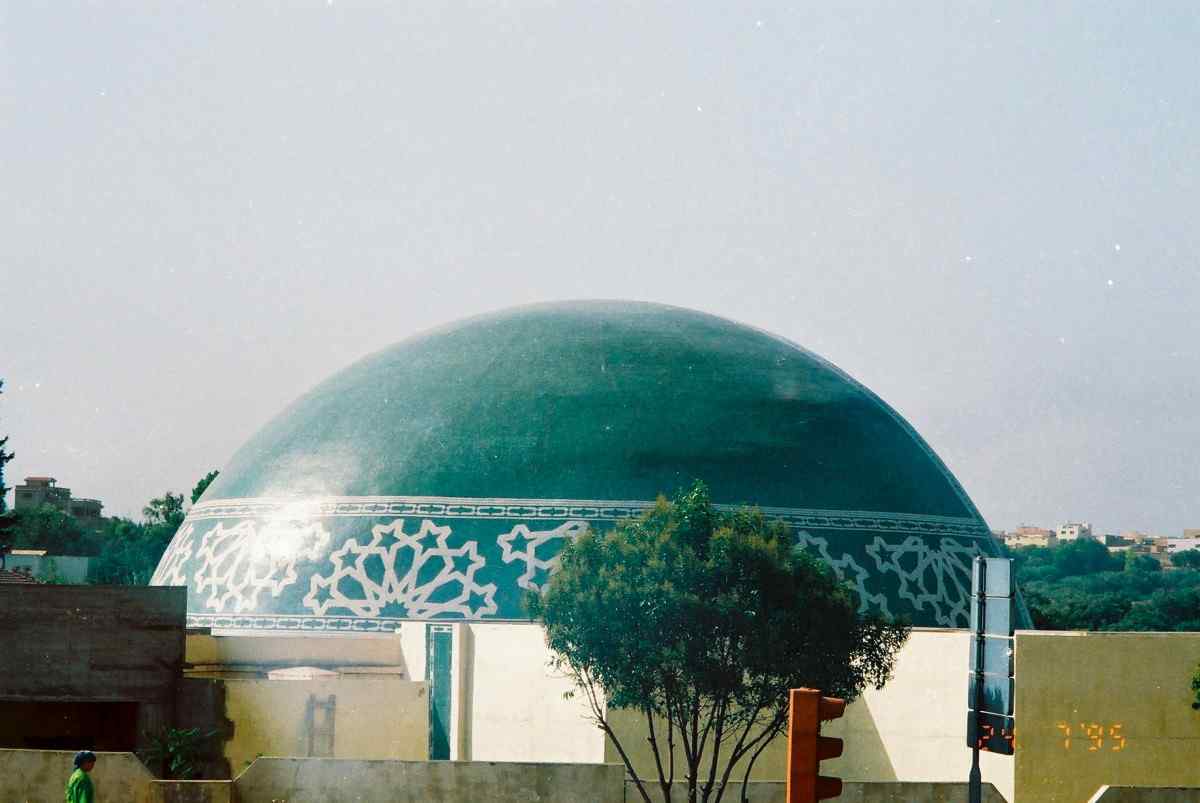
I’ve been twice in Meknes. It’s a typical Moroccan town, with all their usual attractions from mosques to tombs, passing through the Medina. However, it misses the strong character of other towns, like Fes and Marrakech, or even Essaouira or Tangier.
Anyway, its location makes it an almost mandatory passing point. Being there, you better reserve one day to visit it, without regrets.
City Walls

The historic city is still surrounded by its large walls, with several doors, each one with its typical architecture and decoration.
Traffic flows outside the walls, escaping from the narrow streets inside, and allowing an easy look at great part of the walls.
Moulay Ismail Mausoleum
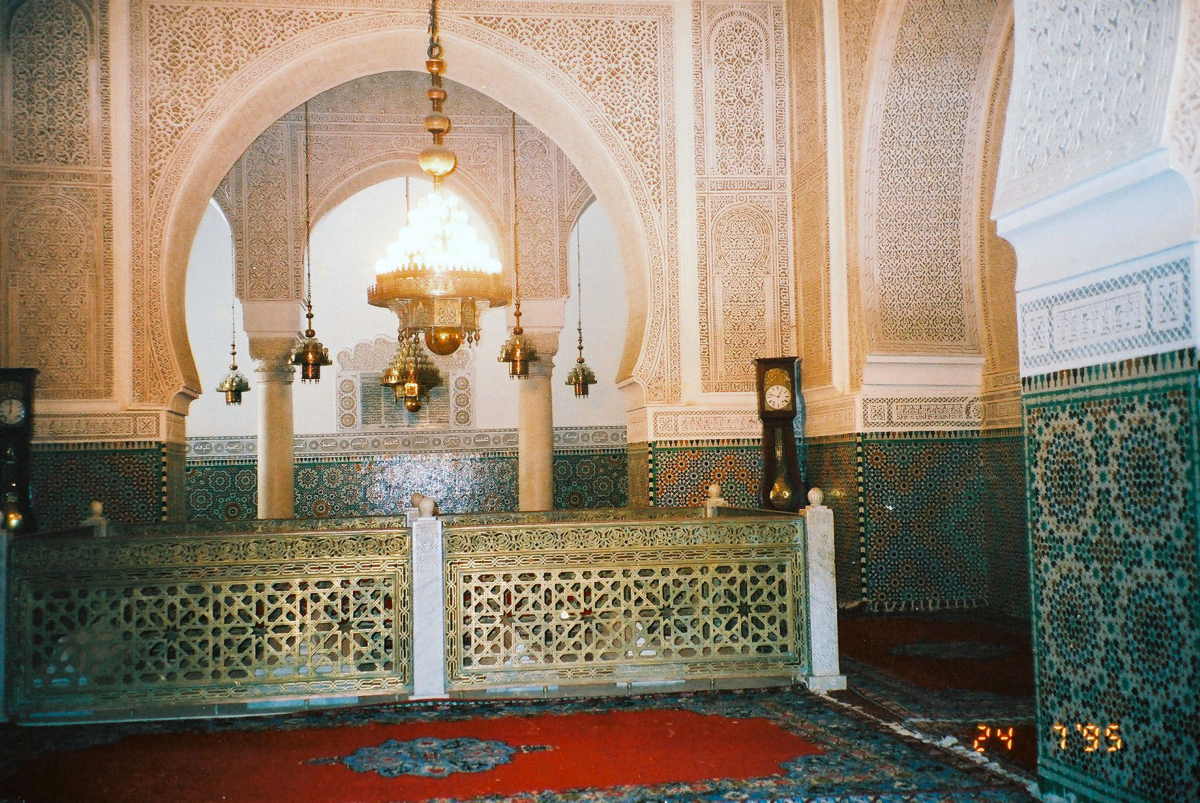
One the most beautiful places in this city is this tomb, where the king that built the town and turned it into a imperial city was buried. Until Lisbon’s earthquake that seriously damaged the city, Meknes was Morocco’s capital.
It’s forbidden to take pictures of the tomb, so we had to photograph… the walls. Pretty, anyway!

Sleeping in Meknes – 1 hot night
If you want to easily publish your own experiences, after registering you may use the form below. It will be added after revision. You may use text, photos till 20Mb or video. For a more complex publication click here.
Publishing form
You need to be logged in to view this page
Your trip will be perfect with the help of our partners
For a great experience:
For your safety:

For your comfort:
For cheap flights:
For local displacements:
 English
 Português