

Overview
Fes is Morocco’s most atmospheric historic city — the country’s cultural and spiritual heart. While Marrakech may be more widely promoted, no place matches the medieval intensity of the Fes medina, a UNESCO World Heritage Site and one of the world’s largest urban labyrinths. Its madrassas, souks, mosques, palaces, and artisan quarters preserve centuries of Berber and Arab tradition, offering a deep, immersive experience unlike anywhere else in Morocco.
Best Time to Visit
- Spring (Mar–May) — mild temperatures and ideal conditions for exploring the medina’s narrow streets.
- Autumn (Sep–Nov) — comfortable weather and fewer crowds; excellent for cultural visits.
- Winter (Dec–Feb) — cool and often sunny; good for sightseeing, though evenings can be cold.
- Summer (Jun–Aug) — hot, especially inside the medina — early visits recommended.
Getting Around
- Inside the City — the medina is pedestrian‑only; expect steep, narrow alleys and a true maze‑like layout.
- Local Guide — essential for orientation and access to hidden spots.
- Taxis — connect the medina gates with the modern city.
- Trains & Buses — link Fes to Meknes, Rabat, Casablanca, and Marrakech.
Safety & Practical Tips
Fes is generally safe but extremely confusing — stay with your guide. Vendors can be persistent; polite firmness works best. Non‑Muslims cannot enter mosques; admire interiors from doorways. The leather tanneries have a very strong smell — guides often offer mint sprigs to soften it.
Food & Water
Bottled water is recommended. Traditional dishes include tagines, couscous, pastries, and fresh juices. Street food is common — choose busy stalls for freshness.
Day Trips and Excursions
- Meknes – Imperial city known for its monumental gates, historic medina, and royal heritage.
- Volubilis – Remarkable Roman archaeological site featuring some of the best-preserved ruins in North Africa.
- Moulay Idriss Zerhoun – Sacred hilltop town considered one of Morocco’s most important pilgrimage destinations.
- Ifrane – Attractive mountain town often called the “Switzerland of Morocco” due to its Alpine-style architecture.
- Azrou – Charming Middle Atlas town famous for cedar forests and Barbary macaques.
- Sefrou – Historic town known for waterfalls, traditional markets, and cultural heritage.
- Rabat – Morocco’s capital city, renowned for its historic monuments, elegant avenues, Kasbah of the Udayas, and UNESCO-listed heritage..
These excursions complement a visit to Fes with a blend of imperial history, Roman heritage, mountain scenery, traditional villages, and some of Morocco’s most interesting cultural destinations.
The essence of Fes
Fes is Morocco’s most authentic window into the past — a city where medieval life, craftsmanship, and tradition remain vividly alive. Its medina is overwhelming, fascinating, and unforgettable, offering an immersion that stays with travellers long after they leave.
Highlights in Fes:
- Fes el-Bali – One of the world’s largest and best-preserved medieval medinas.
- Al Quaraouiyine University – Widely regarded as one of the oldest continuously operating educational institutions in the world.
- Bou Inania Madrasa – Magnificent example of Marinid architecture and craftsmanship.
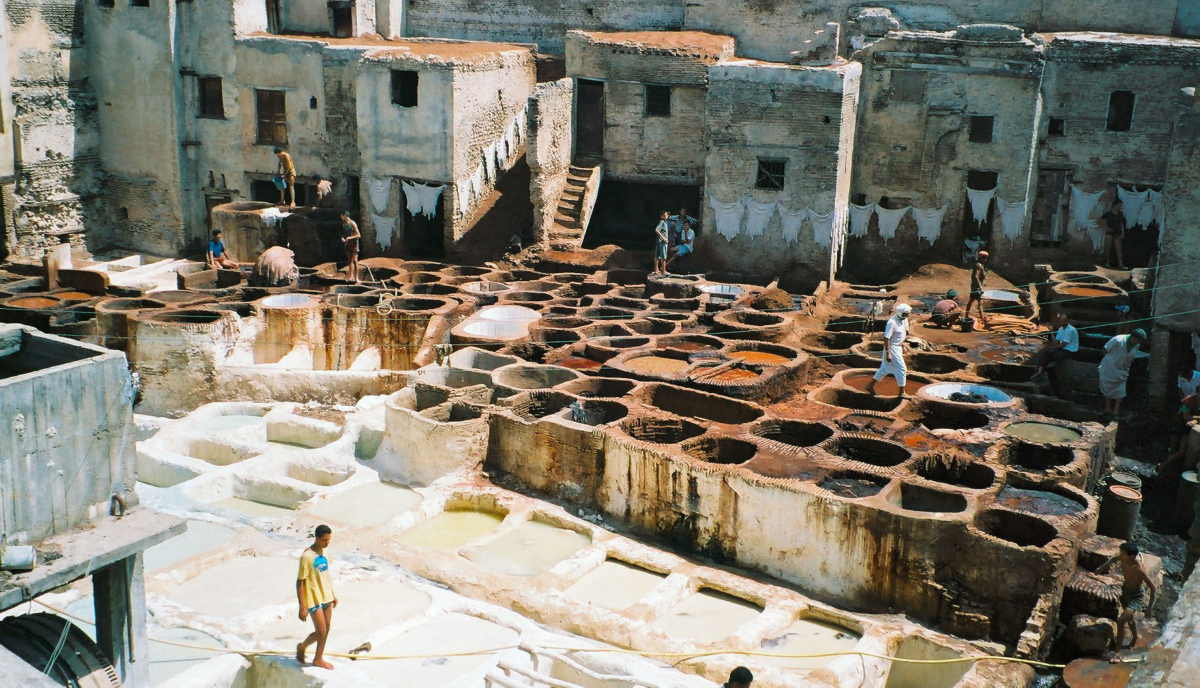
- Chouara Tannery – Iconic leather tannery offering a glimpse into centuries-old production methods.
- Bab Bou Jeloud – The famous Blue Gate and symbolic entrance to the old medina.
- Royal Palace of Fes – Impressive complex featuring ornate golden gates.
- Mellah (Jewish Quarter) – Historic district reflecting Fes’s multicultural heritage.
Fes has a Mediterranean climate with continental influences, resulting in hot summers and relatively cool winters.
- Spring (March-May) – Pleasant temperatures and ideal sightseeing conditions.
- Summer (June-August) – Hot and dry weather.
- Autumn (September-November) – Comfortable temperatures and excellent travel conditions.
- Winter (December-February) – Cool temperatures with occasional rain.
The most popular period to visit is from March to May and September to November, when conditions are ideal for exploring the medina, discovering historic monuments, enjoying Moroccan cuisine, and experiencing the unique atmosphere that makes Fes one of the most remarkable cities in the Islamic world.
Today:

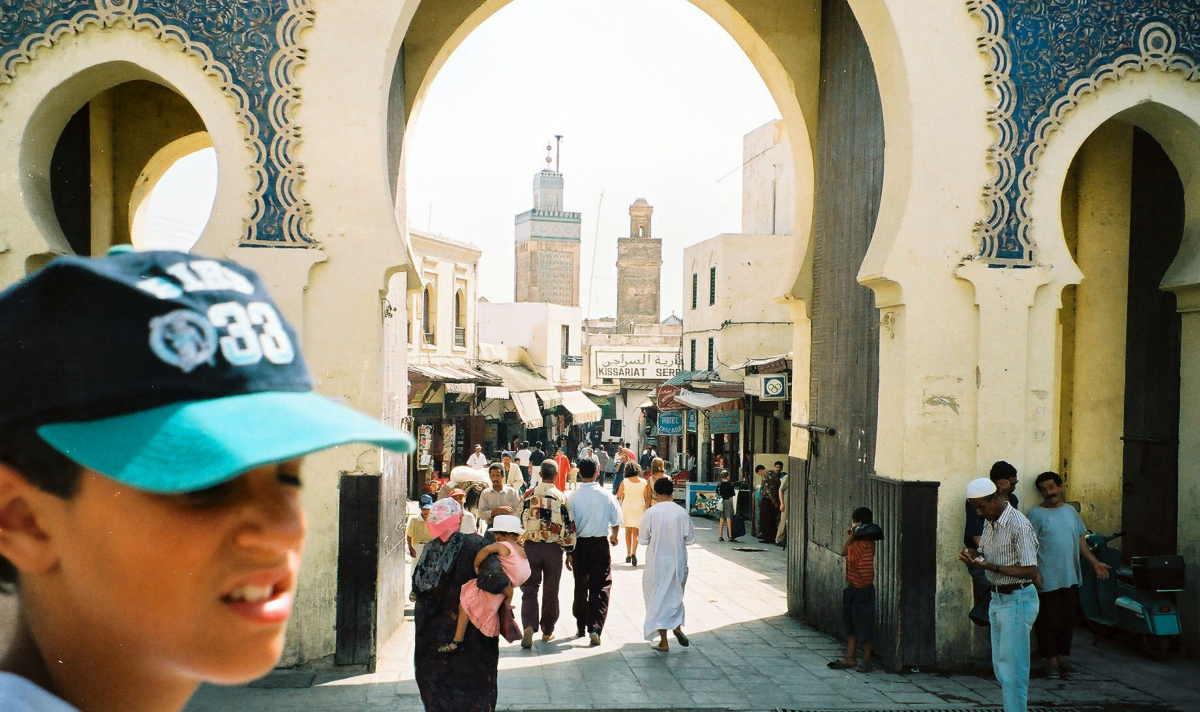
Till now, I visited several medinas and souks, in different towns and countries, but no one repeated the strong impression of my first visit to Fez, in 1982. The strong impression of the narrow roads and small houses made me forget the whole town and its beauty with the white houses, descending the sunny slopes of town. I had to come back, and my second impression was totally different, more acquainted to the size and conception of the medina, and more attentive to the town itself. But one thing remains – Fes is my favorite town in Morocco.
The medina, of course
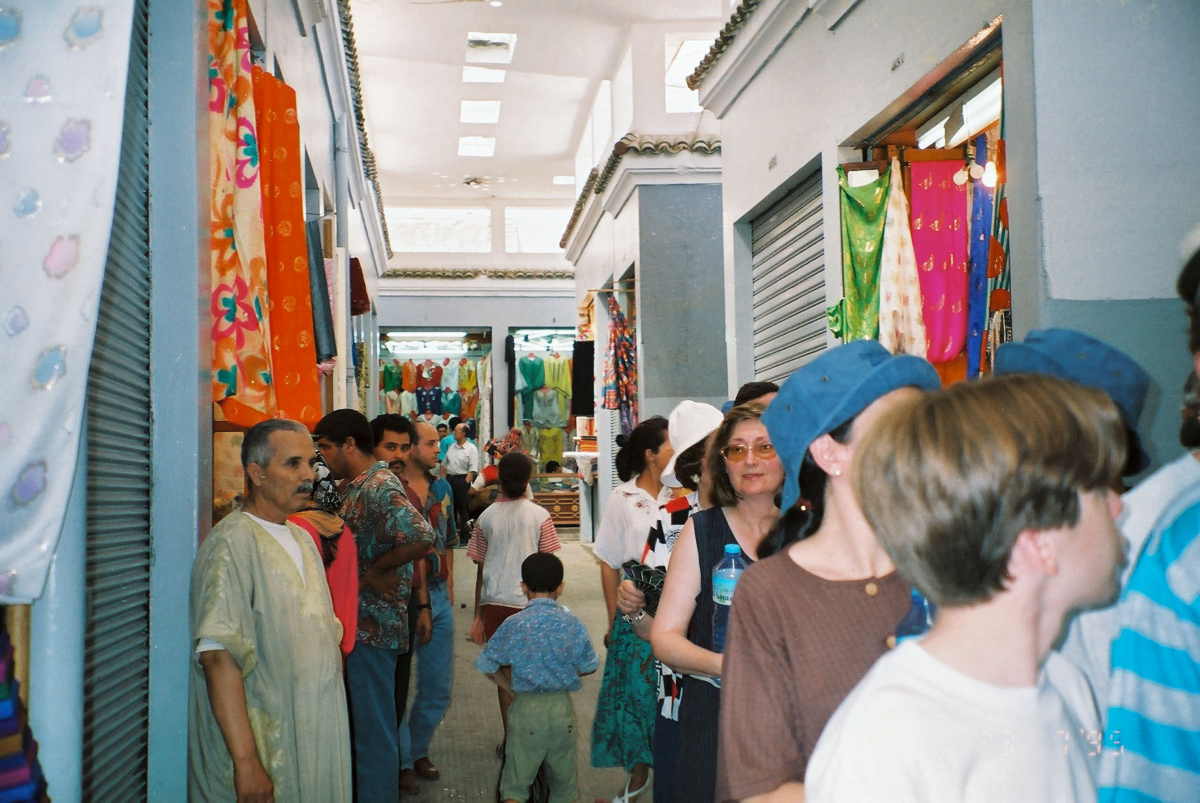
In Fez I felt, for the first time, out of scale (it happened again, in opposite direction, 10 years later in Florida). The Medina may seem so small as some medieval places we know in Europe, but plenty of life, in a seemingly impossible way. A maze that I can’t describe – only seen and felt. The fire consumed, some years ago, the central area of the Medina, which has been rebuilt respecting the proportions but not the look.
It’s a pity. However, everything around looks the same, and the visit (always with a local guide) will justify your day. The modern part of town is also interesting, but the Medina is unique.
Chanel number 5
I’ve been in Fes twice, with almost 20 years separating the trips.
The visits to the medina were accompanied by different guides, obviously, but, curiously, when entering the leather tinting area, they both used the same joke: “Chanel n.5 perfume”.
It’s not a beautiful show, and it is a really awful smell, but it is real, and should be seen. There is progress: in our second visit the guide distributed each one a mint branchlet, that, placed under our noses, disguised a little the strong Chanel.
Royal palace
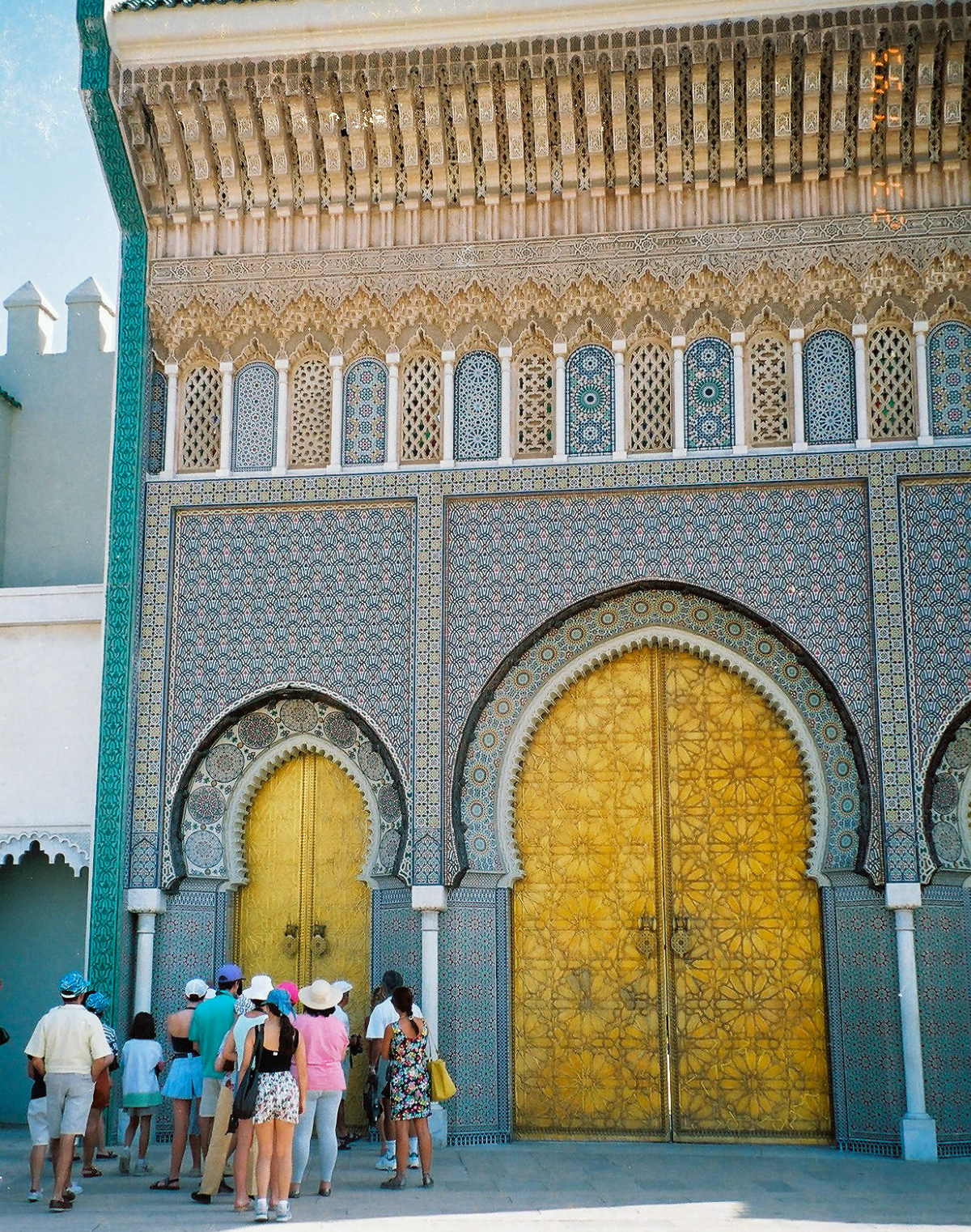
I mean its door, and that’s all you’re allowed to see, inviting you to use your imagination. However, all that secluded opulence seems well accepted by the people. Their problem…
Medersas
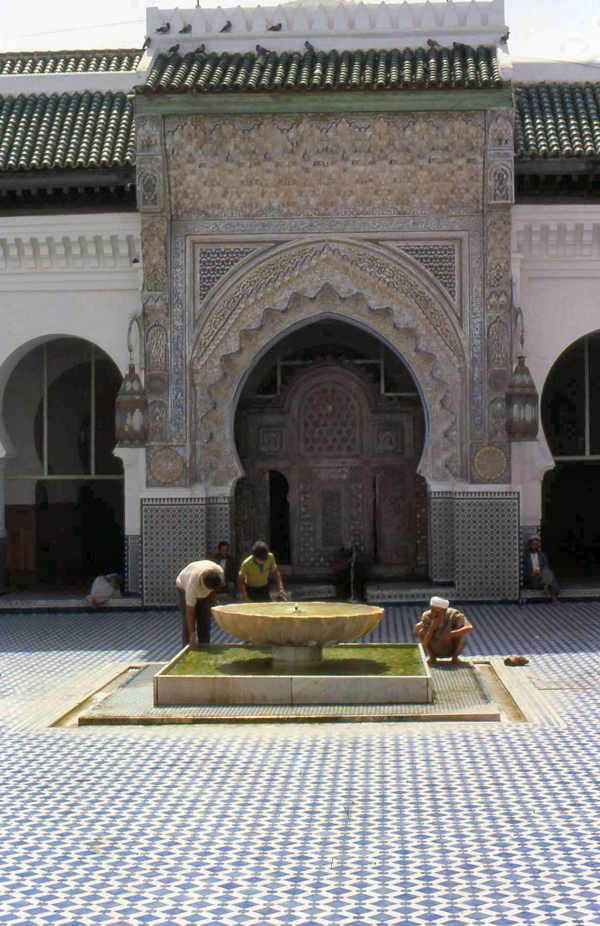
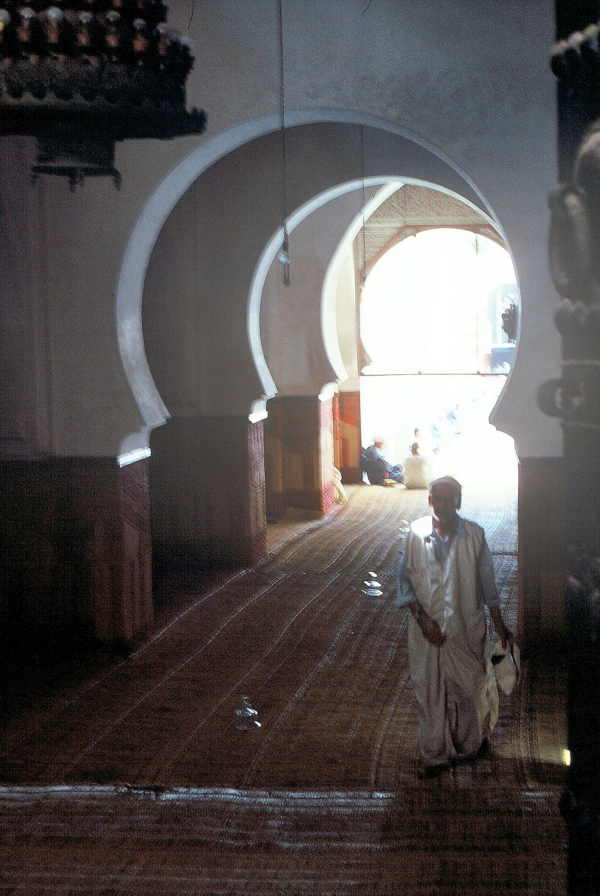
Squeezed in the narrow streets of the medina, these Islamic schools risk to pass unnoticed.
Fortunately you ARE with a local guide that will call your attention. The negative point is that you are not allowed to enter in most of them, becoming restricted to a quick external look.
A pity, but we have to respect their religious rules.
Hidden tresors
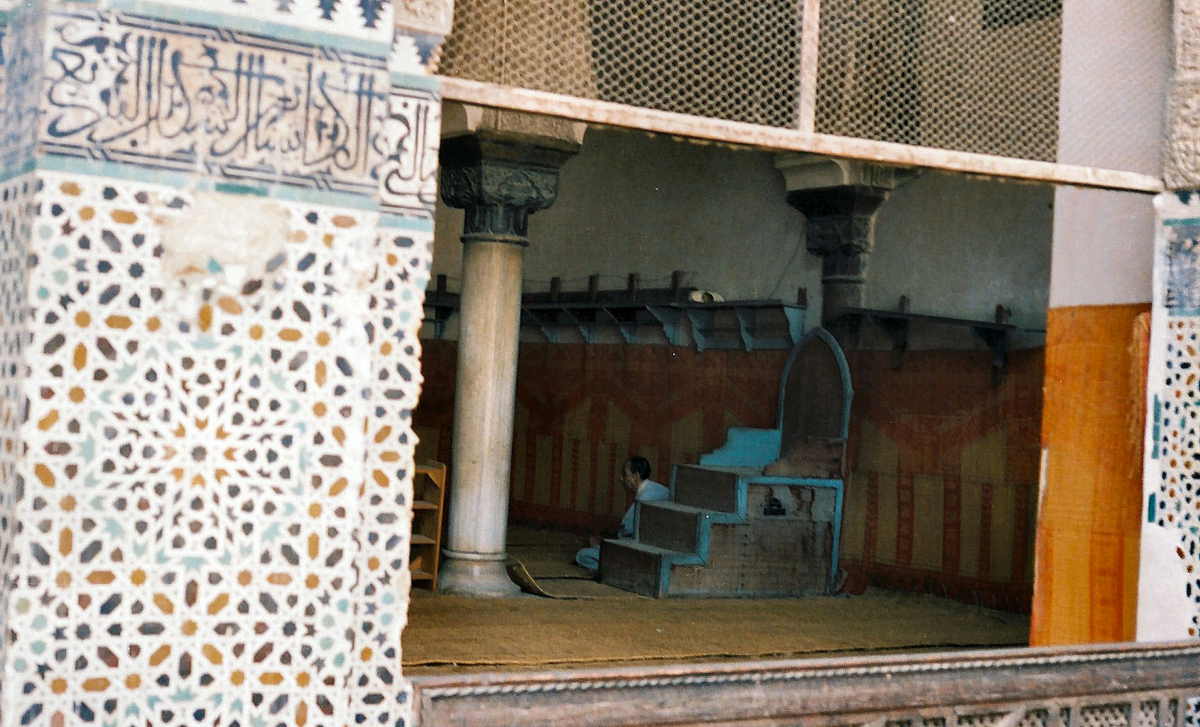
Walking along the medina, you may pass without noticing by some historical buildings and places, hidden behind the displays of the sellers, or in the dark of the narrow streets.
Fountains, palaces, and medersas worth a look.
The sad thing is that non-Muslims must stay out of the religious buildings and only peeping from the doors you may have an idea of the interiors.
 Personal Memories
 Personal Memories
Bargaining

No, I don’t like it, but “In Rome be a Roman”… so, I tried my best, bargaining everywhere. I don’t know (nor care) if I did good or bad deals! I just found amusing that, for them, it seems more important to discuss the articles than… selling them.
That’s why sometimes I gave up and left, and… bought cheaper at the shop doors.
Remember: Bargaining is a cultural reference, and if you don’t do it you will be spending your money and… shocking them.

2 fine Warnings in Fes
Sleeping in Fes – 1 great hotel
Shopping in Fes – 1 great experience
Transports in Fes – 1 cool information
If you want to easily publish your own experiences, after registering you may use the form below. It will be added after revision. You may use text, photos till 20Mb or video. For a more complex publication click here.
Publishing form
You need to be logged in to view this page
Your trip will be perfect with the help of our partners
For a great experience:
For your safety:
For your comfort:
For cheap flights:
For local displacements:
 English
 Português