

Overview
Germany is a diverse country at the heart of Europe, blending historic cities, medieval towns, forests, rivers and cutting‑edge modernity. Its culture reflects centuries of art, science and innovation. From vibrant Berlin to scenic Bavaria, Germany offers a rich mix of heritage, nature and contemporary urban life.
Best time to visit
The best time to visit Germany is from May to September, when warm weather and long days make exploring easy. Spring brings blooming parks and mild temperatures. Summer offers festivals and outdoor cafés. Autumn adds golden forests and wine regions. Winter is ideal for Christmas markets and cultural visits.
Getting around
Germany has one of Europe’s best transport networks. Trains connect major cities efficiently, while regional routes reach smaller towns and countryside. Urban areas offer metros, trams and bike lanes. Driving is smooth, with well‑maintained roads and scenic routes through forests and villages.
Safety and local etiquette
Germany is safe and well‑organized. Locals value punctuality, politeness and respect for rules. Visitors are encouraged to greet warmly, follow local norms and enjoy the calm, structured rhythm of everyday life.
Food and water
German cuisine varies by region — sausages, pretzels, schnitzel, hearty stews, fresh bread and excellent beer. Tap water is safe and high‑quality. Dining ranges from traditional taverns to modern restaurants with creative European dishes.
Day trips and excursions
Berlin offers history and culture. Munich blends tradition with Alpine scenery. Hamburg showcases maritime life. The Rhine Valley provides castles and vineyards. The Black Forest offers nature and villages. Dresden, Cologne and Nuremberg add architecture and heritage. Each region reveals a different facet of Germany.
Essence of Germany
The essence of Germany lies in its harmony between tradition and innovation. Timber‑framed towns meet modern skylines, forests stretch across rolling hills and rivers flow through historic cities. It is a place where culture, nature and precision coexist — organized, welcoming and deeply European.
Highlights in Germany:
The vibrant Berlin is famous for its history, museums, nightlife, and landmarks such as the Brandenburg Gate and the Berlin Wall Memorial.
The magnificent Neuschwanstein Castle is one of the world’s most famous castles and inspired Disney’s Sleeping Beauty Castle.
The spectacular Rhine Valley features vineyards, medieval castles, charming villages, and scenic river cruises.
The beautiful Munich is renowned for Bavarian culture, architecture, beer gardens, and the world-famous Oktoberfest.
The enchanting Black Forest offers dense woodlands, picturesque villages, hiking trails, and traditional craftsmanship.
The impressive Cologne Cathedral is one of Europe’s greatest Gothic masterpieces and a UNESCO World Heritage Site.
Visitors can also enjoy Hamburg, Dresden, Heidelberg, the Romantic Road, Bavarian Alps, Christmas markets, world-class museums, and exceptional historic architecture.
Visited places:


Heidelberg


- Germany is located in Central Europe.
- German is the official language.
- The currency is the Euro (€).
- Credit and debit cards are widely accepted, although cash remains common in some places.
- Tap water is safe to drink.
- Berlin is the capital city.
- Germany consists of 16 federal states.
- The country is famous for castles, beer, engineering, and cultural heritage.
- The ICE network provides excellent high-speed rail connections.
- Germany hosts some of Europe’s most famous Christmas markets.
- The Rhine and Danube are among the country’s most important rivers.
- English is widely spoken in major tourist destinations.
- Germany is one of Europe’s most visited countries.
Germany has a temperate climate, characterised by warm summers, cool winters, and four distinct seasons.
- Spring (March to May) – mild temperatures and blooming landscapes.
- Summer (June to August) – warm weather and ideal sightseeing conditions.
- Autumn (September to November) – colourful scenery and harvest season.
- Winter (December to February) – cold temperatures, festive markets, and snow in mountainous regions.
The most popular period to visit is from May to September, when weather conditions are generally ideal for exploring historic cities, castles, river valleys, mountain regions, cultural attractions, and the diverse landscapes that make Germany one of Europe’s premier travel destinations.
Today:

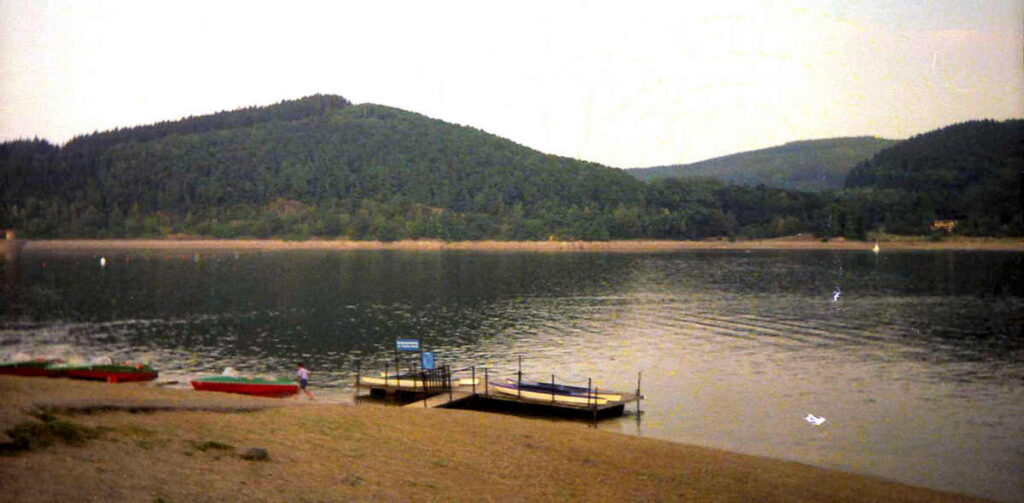
Visiting Germany – Dortmund
I know that Dortmund is not one of the most interesting destinations in Germany, but for family reasons I’ve visited it twice, both times a long time ago. They are fond memories, some of which I share on my Dortmund page.
Berlin
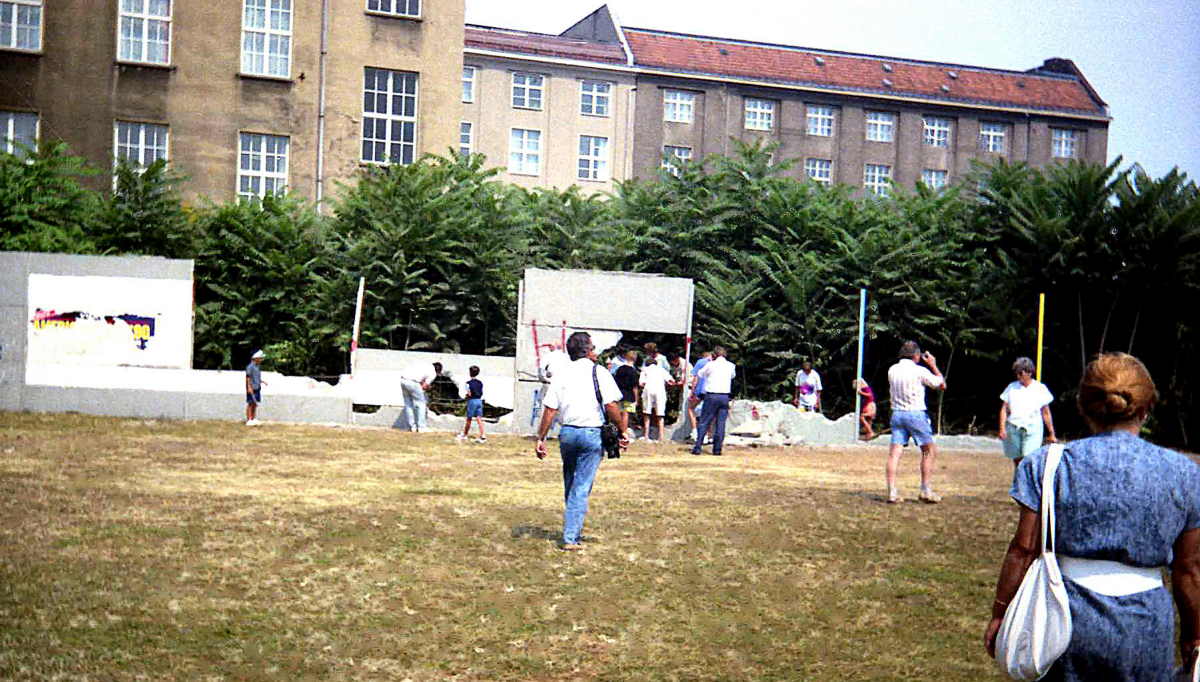
I had the privilege of visiting Berlin just a few months after the fall of the Wall, at a time when the differences between the East and West sides of the city were astronomical. With everyone going to the remains of the Wall, we had to concentrate on that section, and we missed out on much of the best the city had to offer. That’s why returning to Berlin is one of my top priorities.
Swiezel
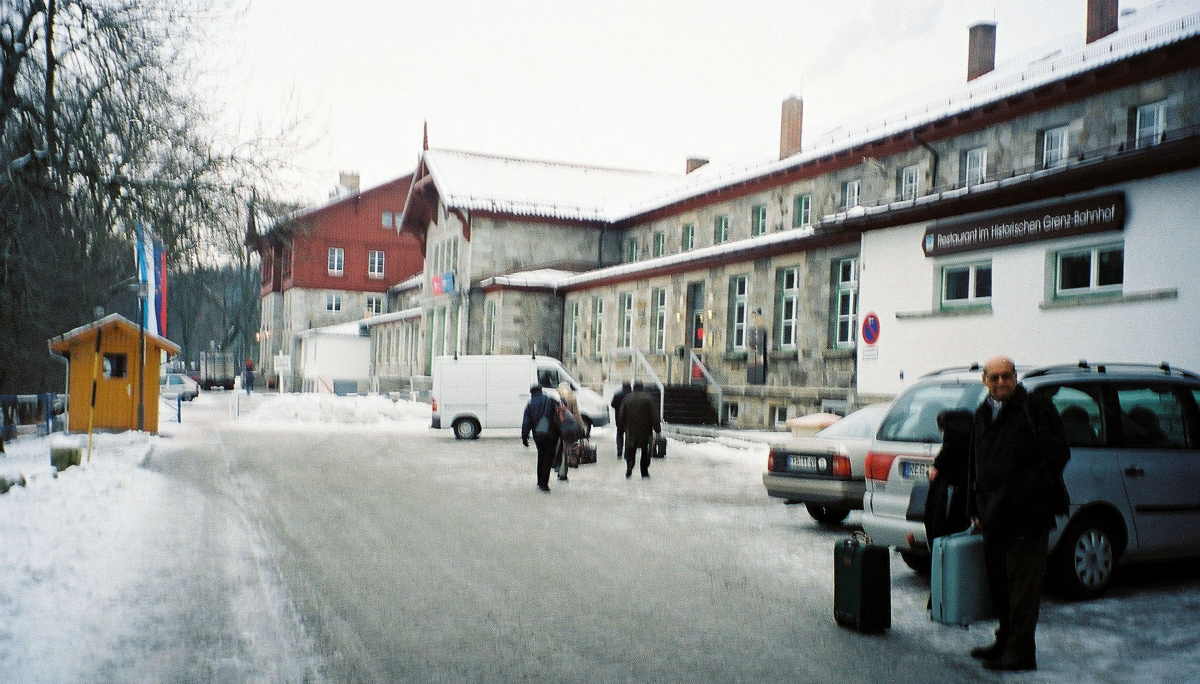
Professional reasons took me to Zwiesel to visit a glass school. I read that glass is, in fact, the city’s strong point, with a worldwide reputation.
The visit was in December, and in the midst of snow that we are not used to, with -11ºC Celsius, and an all-encompassing darkness, there was neither the opportunity nor the desire to see anything other than the sun. It was, however, a fruitful contact, and an experience that I will not forget.
Munich
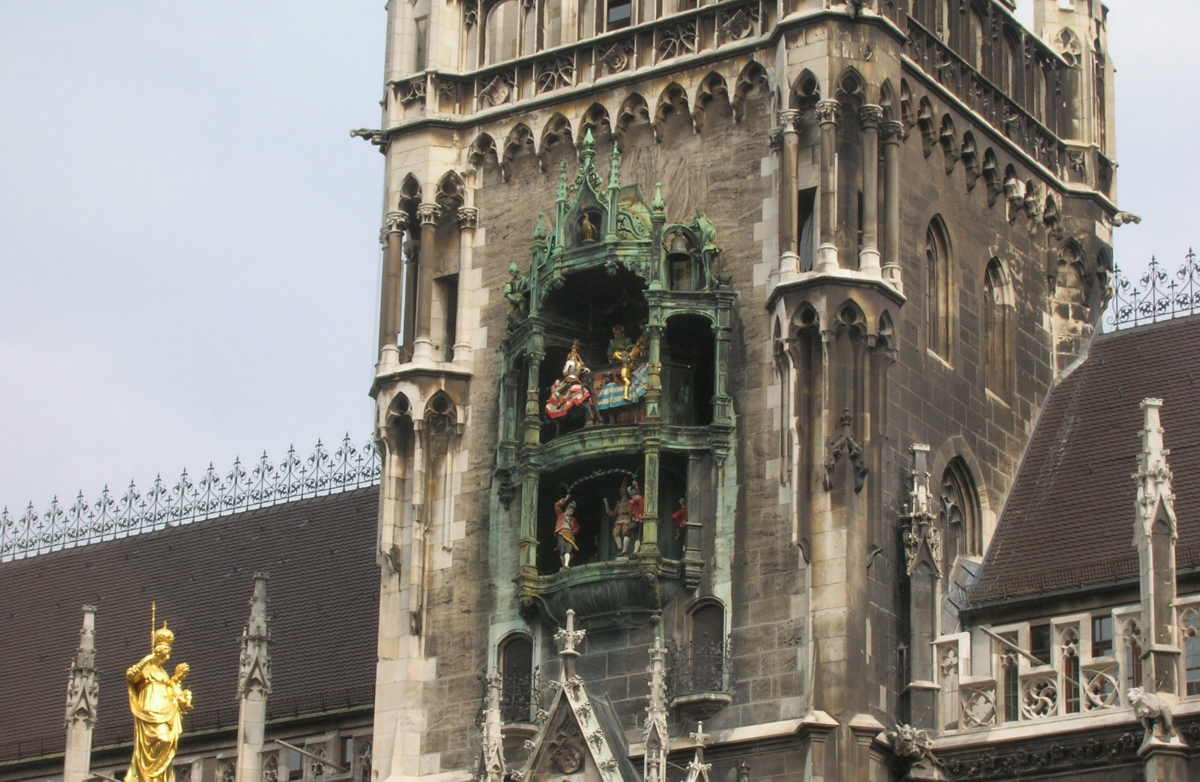
No, I have never visited Munich, only the airport, but Tito brought me photos that invited me. When I can I will see for myself.
Lorelei
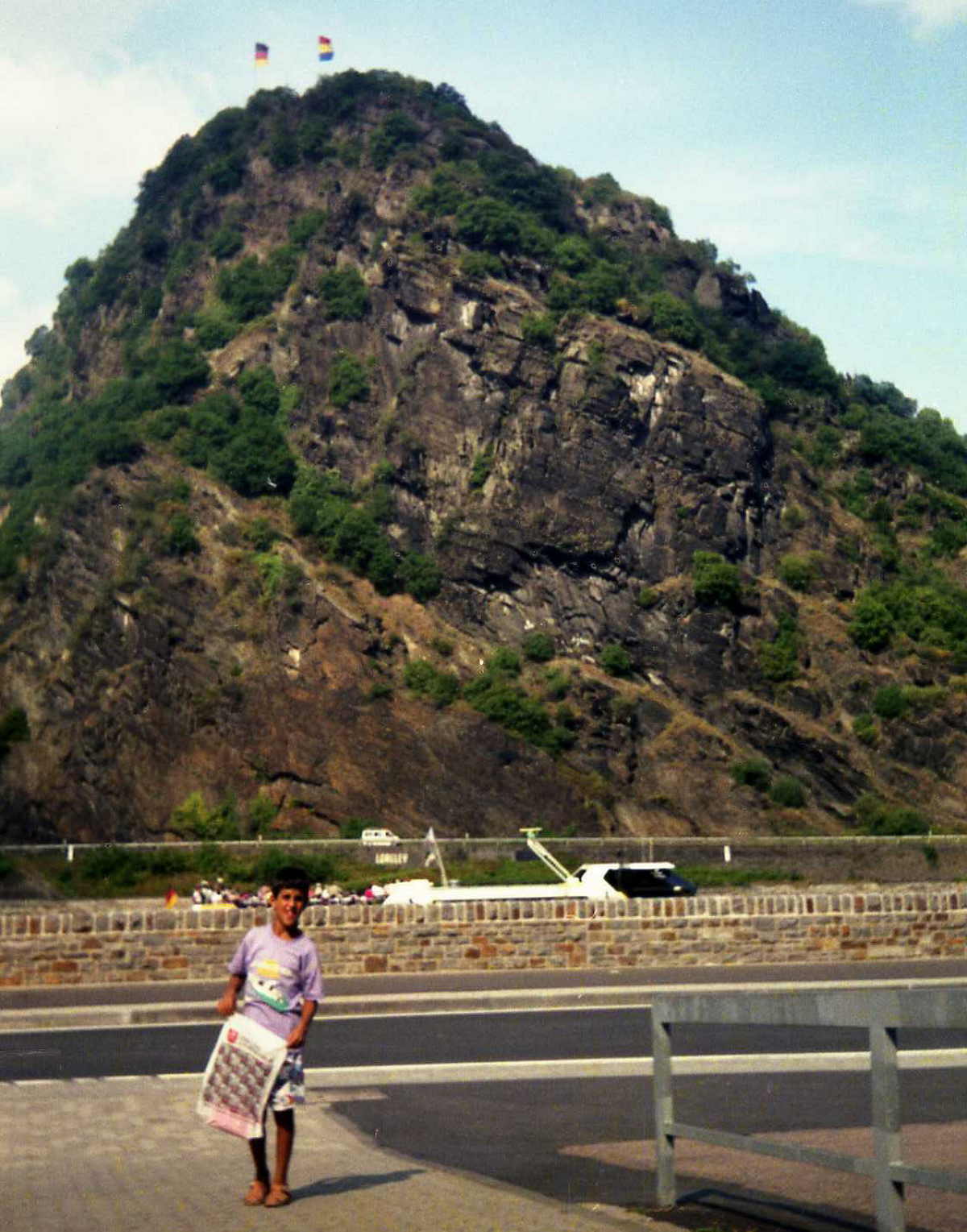
I think you must read in advance to appreciate this place: Lorelei is a common high mount in Rhine’s banks, that doesn’t mean much to those who didn’t know the stories and the legends that it suggested.
It’s a funny thing when travelling, to be in a place that we had in mind from several readings, and that, suddenly becomes real, in its simplicity.
The trip from Koblenz to Heidelberg was pleasant, but not being able to find a boat to transport the car was quite a hindrance, and forced very quick visits.
 Personal Memories
 Personal Memories
Recent History of Germany
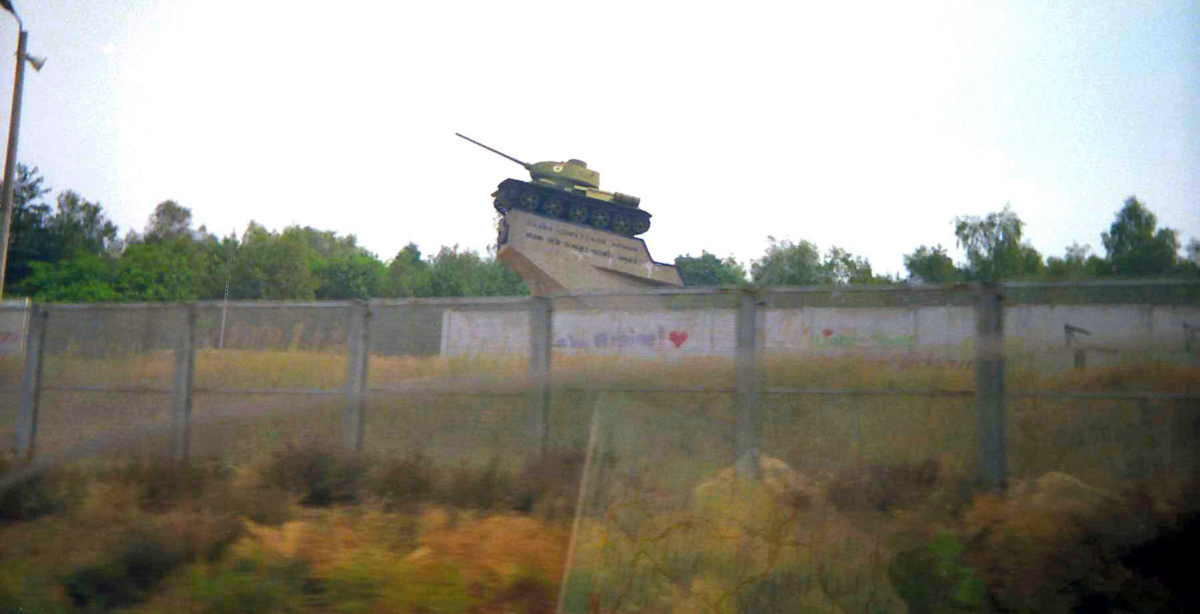
One interesting detail in every nation’s organization is the way they deal with recent history – the references of a political regimen are celebrated in many monuments, until the day when a revolution turns gods into demons and the monuments are destroyed or replaced.
The true history is what remains after that “cleaning” sequence. In my visit to Berlin, in 1990, the red army and its victories in WW2 were still clearly present, side by side with the communist symbols, these already fading. My comment to Fernanda was which one of those monuments would survive, after the changes about to start.
She didn’t agree, wishing that, despite all changes, the signs of history would remain, no matter their origin or meaning. I was not convinced, and that is one more reasons why I keep saying that I WANT TO SEE GERMANY AND BERLIN AGAIN.
Language tricks
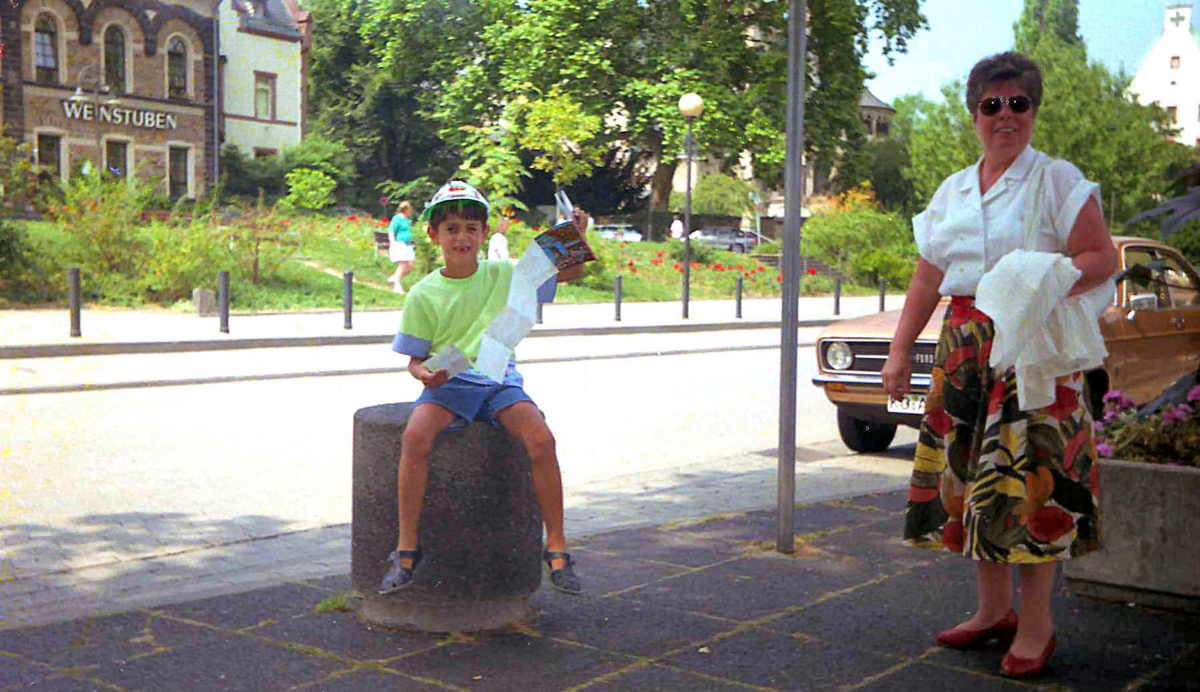
My idea was to travel from Koblenz to Bingen (with the car in the boat) and proceed from there to Strasbourg. I asked (in English) at the ticket booth a ticket for “a car with two adults and two children”. The lady gave me the tickets and I paid them.
Moving to the boat, I discovered that there was no car access, and went back to the lady asking her where to enter – “No car, no car”. How to argue in German that I demanded a ticket for the car and thought that I’d paid for it? It was a very hard discussion, but I couldn’t leave the car behind.
After a babylonic nightmare, the lady decided to accept back the tickets, but returning only 90% of the charged price.No it was not a great experience, my “Rhine cruise”!
I’m preparing to publish about Frankfurt, Bad Soden and Joahnnisberg
If you want to easily publish your own experiences, after registering you may use the form below. It will be added after revision. You may use text, photos till 20Mb or video. For a more complex publication click here.
Publishing form
You need to be logged in to view this page
Your trip will be perfect with the help of our partners
For a great experience:
For your safety:
For your comfort:
For cheap flights:
For local displacements:
 English
 Português