

Overview
Dortmund is one of the largest cities in Germany’s Ruhr region and a destination where industrial heritage, modern culture, green spaces, and football tradition come together. Once a major centre of coal mining and steel production, Dortmund has successfully transformed itself into a vibrant city known for innovation, museums, parks, and the world-famous Borussia Dortmund football club. Located in North Rhine-Westphalia, it serves as an important cultural and economic hub in western Germany.
Best Time to Visit
The best months to visit are May to September, when temperatures are pleasant for sightseeing, outdoor events, walking through parks, and exploring the city.
Spring and early autumn offer comfortable weather and fewer crowds, while summer brings festivals, open-air activities, and a lively atmosphere throughout the city.
Getting Around
Dortmund has an efficient public transport system and is easy to navigate.
Visitors can use:
- U-Bahn (light metro)
- Regional trains
- Trams
- Buses
- Cycling routes
- Walking paths
Most major attractions are well connected by public transport, making a car unnecessary for most visitors.
Safety and Local Etiquette
Dortmund is a safe and welcoming city. Normal precautions are sufficient throughout most areas.
Visitors should:
- Respect local customs and public spaces.
- Follow cycling lane regulations.
- Validate public transport tickets where required.
- Respect memorials and cultural heritage sites.
- Keep noise levels low in residential neighbourhoods.
Food and Water
Tap water is safe to drink.
Dortmund is known for:
- Currywurst
- Bratwurst
- Schnitzel
- Westphalian cuisine
- Craft beer
- Dortmunder beer
- Traditional German pastries
The city’s brewing heritage remains an important part of local culture.
Day Trips and Excursions
- Bochum — known for industrial heritage, museums, and cultural attractions.
- Essen — home to the UNESCO-listed Zollverein Coal Mine Industrial Complex.
- Düsseldorf — famous for shopping, architecture, and the Rhine River promenade.
- Cologne (Köln) — renowned for its cathedral, museums, and historic centre.
- Münster — a charming city celebrated for cycling culture and a beautifully preserved old town.
- Sauerland Region — offering forests, lakes, hiking routes, and outdoor activities.
Essence of Dortmund
The city represents the successful transformation of Germany’s industrial heartland. Historic breweries, former industrial sites, cultural institutions, football passion, and extensive urban green spaces combine to create a city that is both modern and deeply connected to its heritage. It offers visitors an authentic experience of contemporary Germany beyond the country’s more traditional tourist destinations.
Highlights in Dortmund
The main highlights include Signal Iduna Park, Germany’s largest football stadium and home of Borussia Dortmund, the German Football Museum, Westfalenpark, the iconic Florian Tower, the Dortmund U-Tower, the historic Alter Markt, and the former industrial sites that showcase the city’s transformation. Together, these attractions make the city one of Germany’s most interesting urban destinations.


- Dortmund is one of Germany’s largest cities and an important centre of the Ruhr region.
- Signal Iduna Park is the largest football stadium in Germany and home to Borussia Dortmund.
- The German Football Museum is located in the city centre.
- Tap water is safe to drink.
- Westfalenpark is one of Germany’s largest urban parks.
- The Dortmund U-Tower has become a symbol of the city’s cultural transformation.
- Dortmund has a long brewing tradition and was once one of Europe’s leading beer-producing cities.
- The city is well connected by rail to Cologne, Düsseldorf, Essen, and other major German destinations.
- The destination is safe and visitor-friendly; normal precautions are sufficient.
- Credit and debit cards are widely accepted, although some smaller establishments may still prefer cash.
- The official currency is the Euro (€).
- Respect cultural sites, football traditions, and public spaces when visiting.
Dortmund enjoys a temperate oceanic climate, with moderate temperatures throughout the year.
- Spring (March to May) — mild temperatures and blooming parks.
- Summer (June to August) — warm weather, generally ranging between 20°C and 28°C.
- Autumn (September to November) — comfortable temperatures and colourful urban landscapes.
- Winter (December to February) — cool conditions, with temperatures typically ranging between 0°C and 8°C and occasional frost.
Rainfall is fairly evenly distributed throughout the year, so a light waterproof jacket is often useful.
Today:

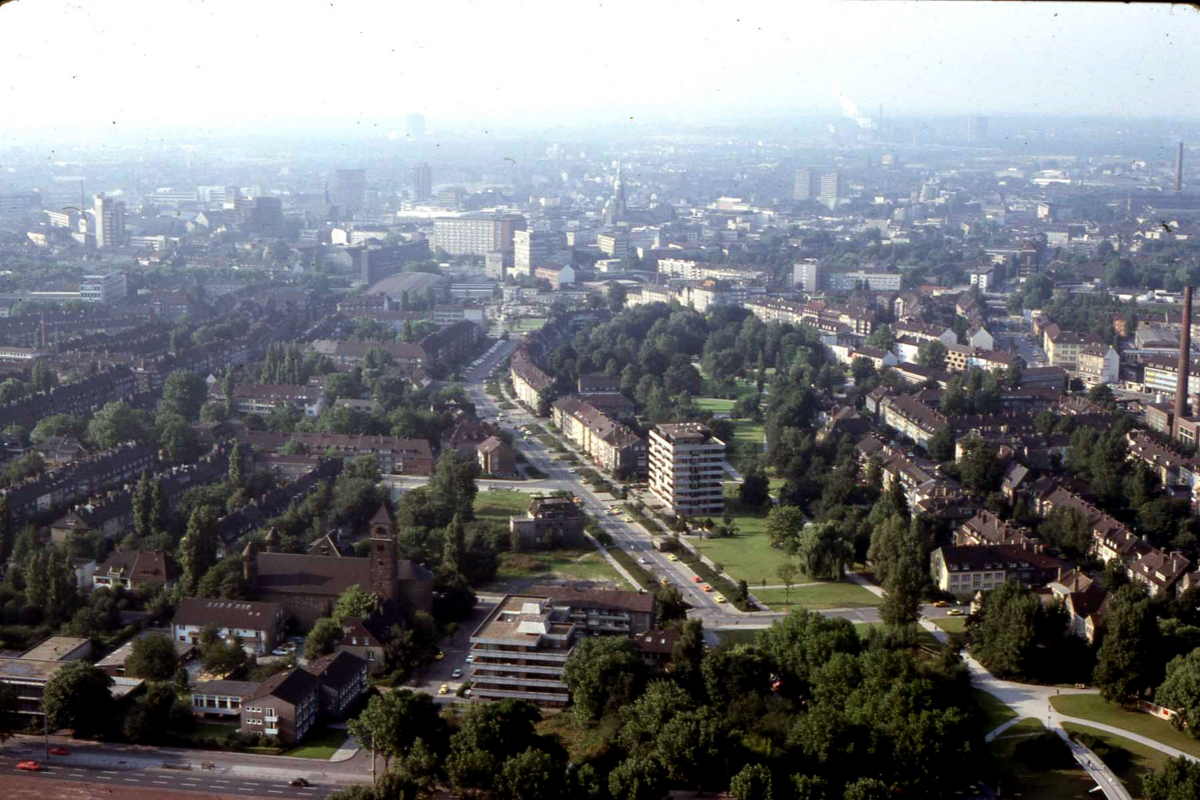
No, it is not a must see in Germany!
However, Dortmund is my best know town in Germany, and I didn’t dislike the several days I spent there.
Shopping, the park, the surroundings, well… not much indeed, but, in Dortmund, they don’t care much about tourists – working is the rule.
I think!
Westfallen Park
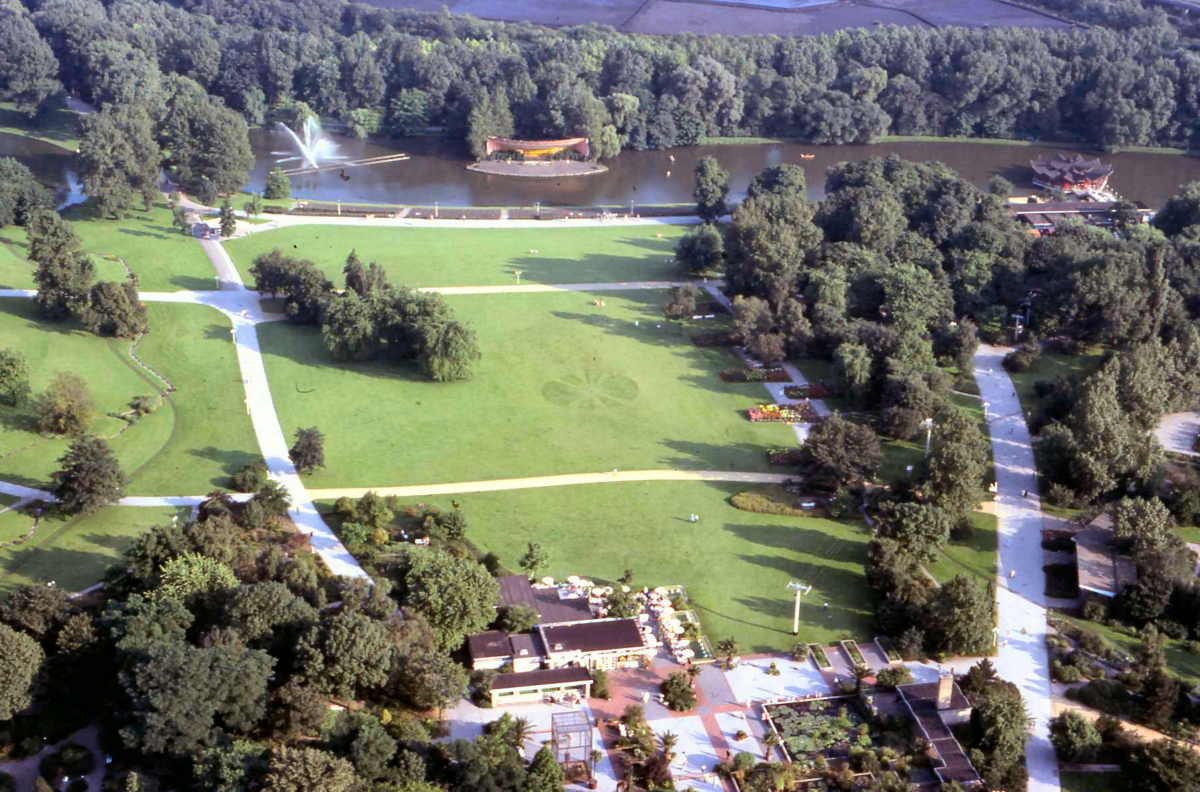
This very beautiful, large and calm park, around Florian TV tower, is a relaxing place, including a botanical garden and a zoo.
Cultural events take place sometimes in a stage by the lake.
Florian Tower

The highest point of Dortmund, more than 200 meter high, the TV tower is a good sightseeing point, and a different place to have a drink in its rotating restaurant at the top.
The speed of the elevator its a strong sensation, easy to feel when it starts.

For a summer night
Beer, football, beer. What else in Dortmund, besides work?
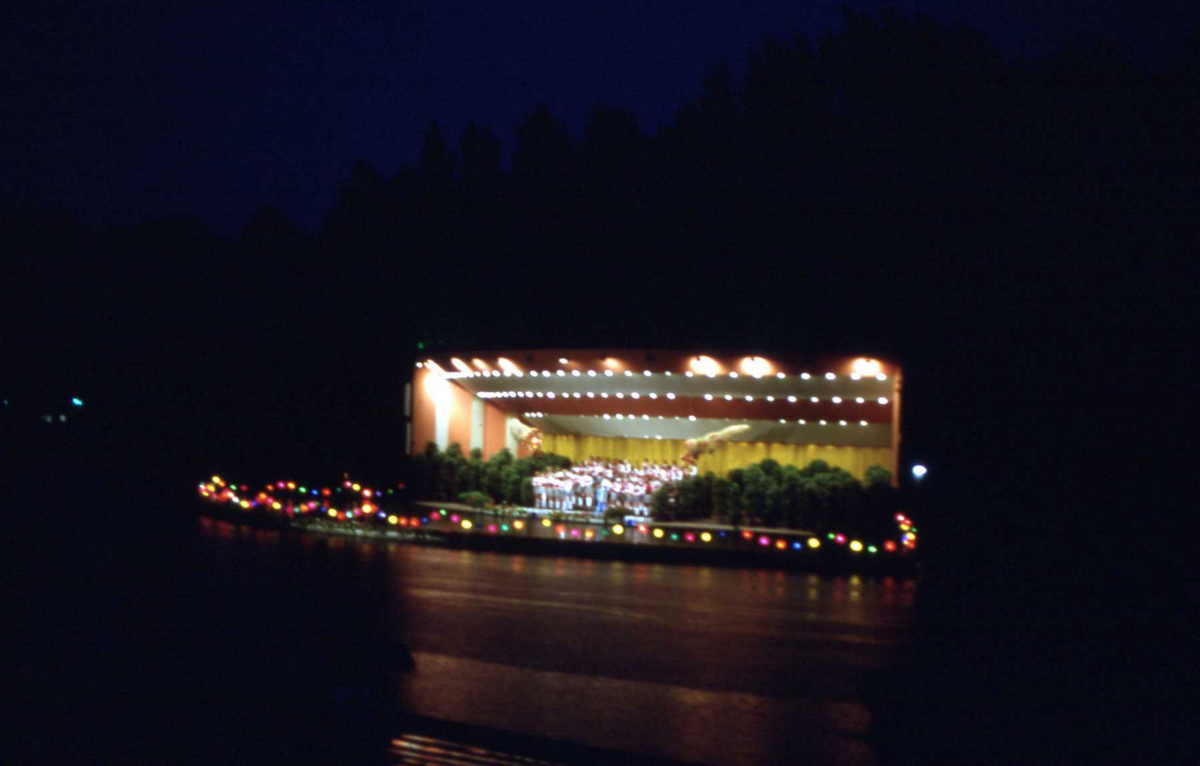
Well I had the luck of a pleasant night in the park, with a musical show in the beautiful stage by the lake. It’s very interesting, watching the performance and feeling the touch of nature all around you.
I don’t know where to find the scheduling of the performances, and, if it is available anywhere it will be in… German, which means… useless to most of us.
Mohne Lake
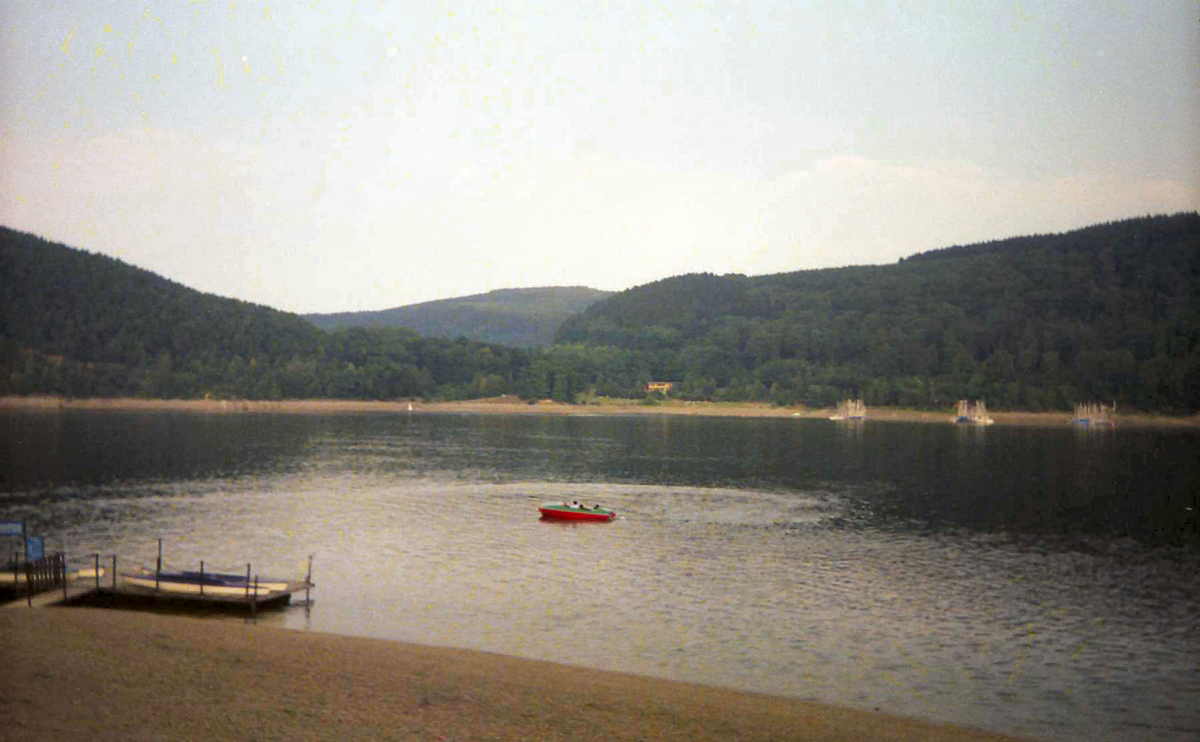
Not far from town, a pleasant place away from the concrete and the busy streets, this dam creates a lake very attractive to water sports or just only a picnic.
Enrichenburg
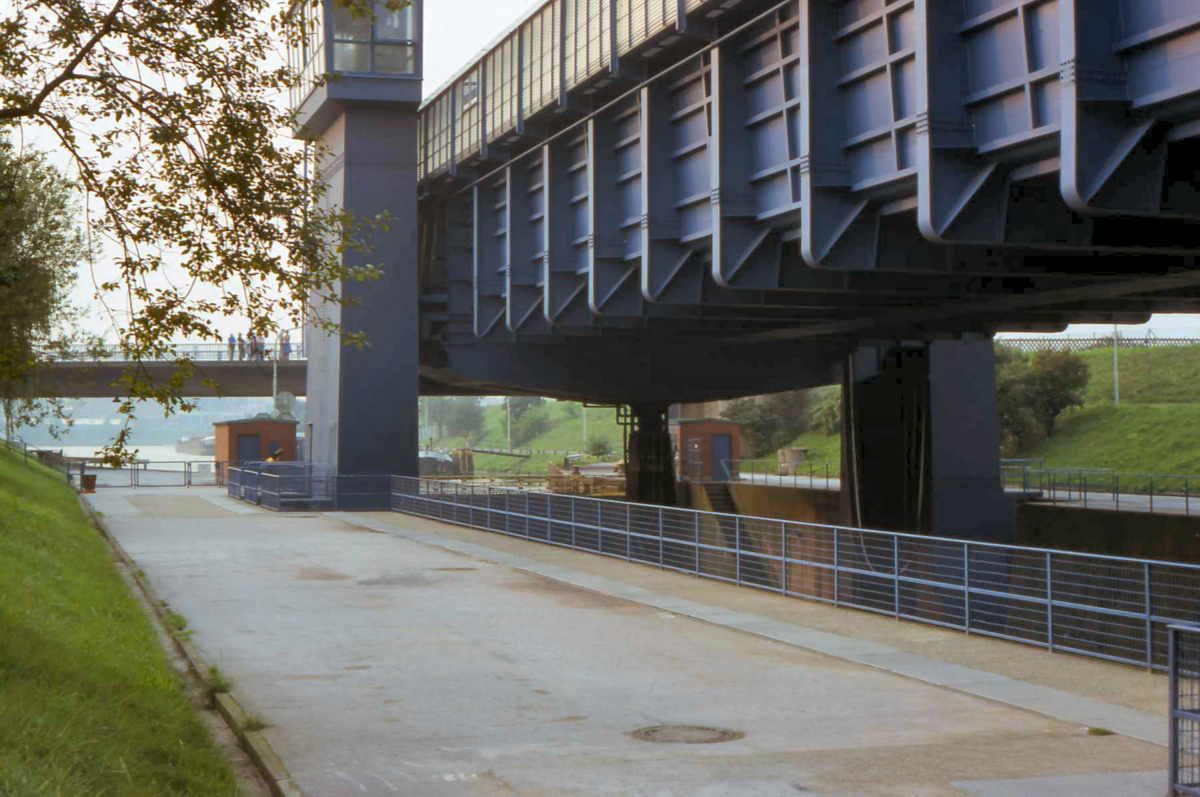
This interesting elevator, inaugurated in 1899, was able to move boats of up to 350 tons, with a height differential of 14 meters.
Overtaken by new technologies, it is no longer used and is now part of an industrial museum.
 Personal Memories
 Personal Memories
Black walls
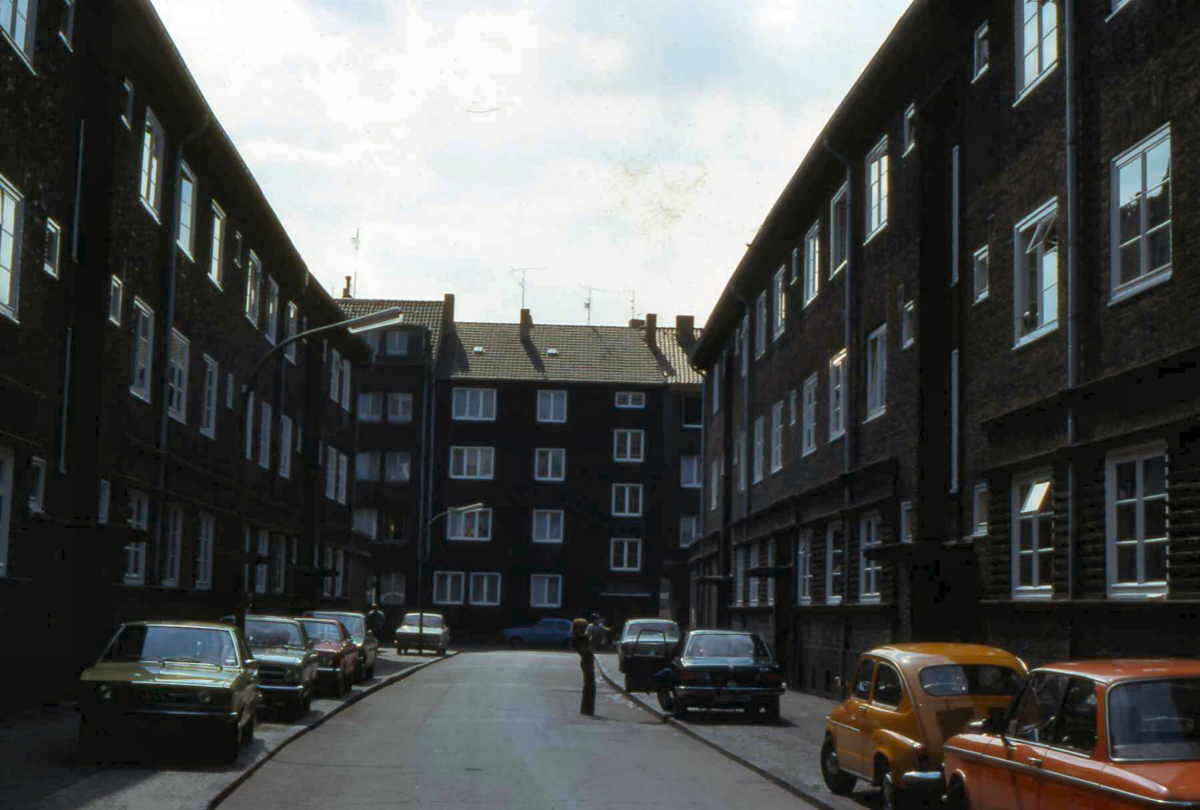
The strongest impression caught in my first visit to Dortmund was the black color of many buildings.
I know that coal was dominant in the old times, but for someone used to the white dominance in our Mediterranean houses, it was almost a shock.
Interesting the contrast with the “always” white curtains in all windows.
Garten

I don’t know if what I saw in Dortmund is common elsewhere, but not in Portugal. The local municipality has some terrains outside town, that rents in very small fractions to agricultural… amusement. My sister-in-law had one, and the pleasure of her husband showing each growing bean or carrot was remarkable.
The small properties are prepared ( by the renters) for a day out, with a barbecue with friends or an afternoon laying in the lawn.A clever way to fill the free ti

Bars in Dortmund – 1 excellent visit long ago
If you want to easily publish your own experiences, after registering you may use the form below. It will be added after revision. You may use text, photos till 20Mb or video. For a more complex publication click here.
Publishing form
You need to be logged in to view this page
Your trip will be perfect with the help of our partners
For a great experience:
For your safety:
For your comfort:
For cheap flights:
For local displacements:
 English
 Português