

Overview
Angola is a vast and diverse country with immense natural and cultural richness, still far from reaching its full tourism potential. After centuries of colonial rule and decades of civil war, the country continues to search for a development model capable of showcasing its extraordinary landscapes and resources. Luanda dominates the national scene, combining beaches, islands, and intense urban life, while the north is marked by coffee plantations and lush forests. The south offers striking ethnic and landscape diversity, with remote regions that preserve traditional ways of life. Angola remains a destination of contrasts — challenging at times, but undeniably fascinating.
Best Time to Visit
The best time to visit Angola is during the dry season, from May to October, when temperatures are milder and travel conditions are more predictable. The rainy season, from November to April, brings higher humidity and can make travel to remote areas more difficult. Coastal regions, including Luanda, are pleasant year‑round, though humidity can be high in summer.
Getting Around
Travel in Angola requires planning. Luanda is the main entry point and the country’s transportation hub, but traffic can be intense and infrastructure varies widely. Domestic flights are often the most efficient way to reach distant regions. In rural areas, roads may be challenging, especially during the rainy season. Within cities, taxis and private drivers are the most practical options for visitors.
Safety and Local Etiquette
Angola is generally safe for travellers who take basic precautions, especially in urban areas. Visitors should remain attentive to personal belongings and avoid isolated areas at night. In rural regions, respect for local customs and communities is essential. Angolans are welcoming and proud of their cultural heritage, and interactions are usually warm and friendly.
Food and Water
Angolan cuisine is rich and varied, with influences from Africa, Portugal, and Brazil. Dishes often include fish, cassava, beans, and stews. In Luanda, restaurants range from simple local eateries to high‑end international options. Tap water is not recommended; bottled water is widely available and advisable throughout the country.
Day Trips and Excursions
Luanda’s beaches and nearby islands, such as Mussulo, are among the most accessible attractions. The north offers coffee‑growing regions and dense forests, while the south is known for its cultural diversity and dramatic landscapes. Angola’s size and limited infrastructure mean that many destinations require time and planning, but the rewards include untouched nature and authentic cultural experiences.
Essence of Angola
Angola is a country of immense potential, shaped by history, resilience, and natural beauty. Its landscapes, cultures, and contrasts create a destination that is still emerging but deeply compelling. For travellers willing to explore beyond the familiar, Angola offers a raw, powerful, and unforgettable experience.
Highlights in Angola
Luanda and its beaches and islands dominate the country, where coffee and lush forests prevail in the north, and ethnic and landscape diversity cover the south.
Visited places:


- Angola uses the kwanza (AOA), and card payments are increasingly accepted in urban areas.
- Portuguese is the official language, widely spoken across the country.
- Domestic flights are recommended for long distances.
- Bottled water is advisable.
- Mobile coverage is good in cities and limited in remote regions.
- Travel planning is essential due to distances and infrastructure variations.
The country offers a mix of coastal life, cultural heritage and natural landscapes that reward patient and curious exploration.
Angola’s climate varies by region. The coast has warm temperatures year‑round, with higher humidity in summer.
- The interior experiences more pronounced seasonal changes, with cooler dry months and hotter rainy months.
- The dry season from May to October is ideal for travel, offering clearer skies and easier access to remote areas.
- The rainy season brings lush landscapes but can complicate road conditions.
Temperatures inside the country are generally higher than along the coast.
Today:

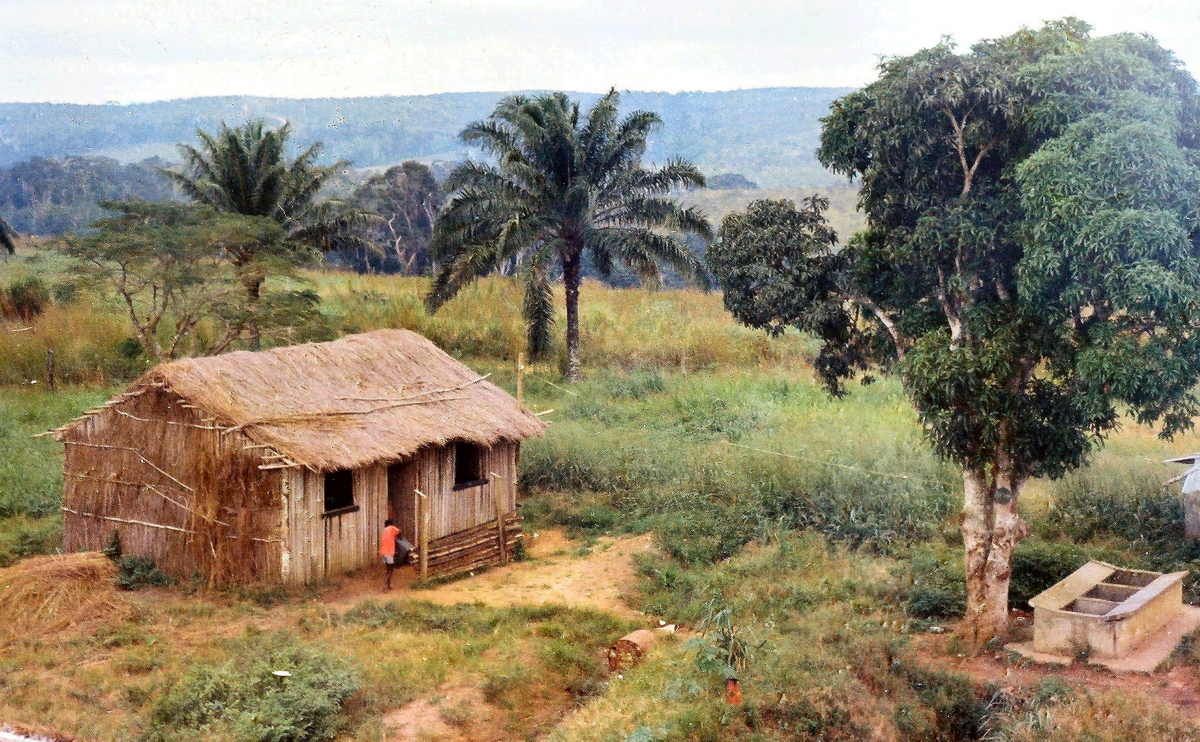
Visiting Angola, old days
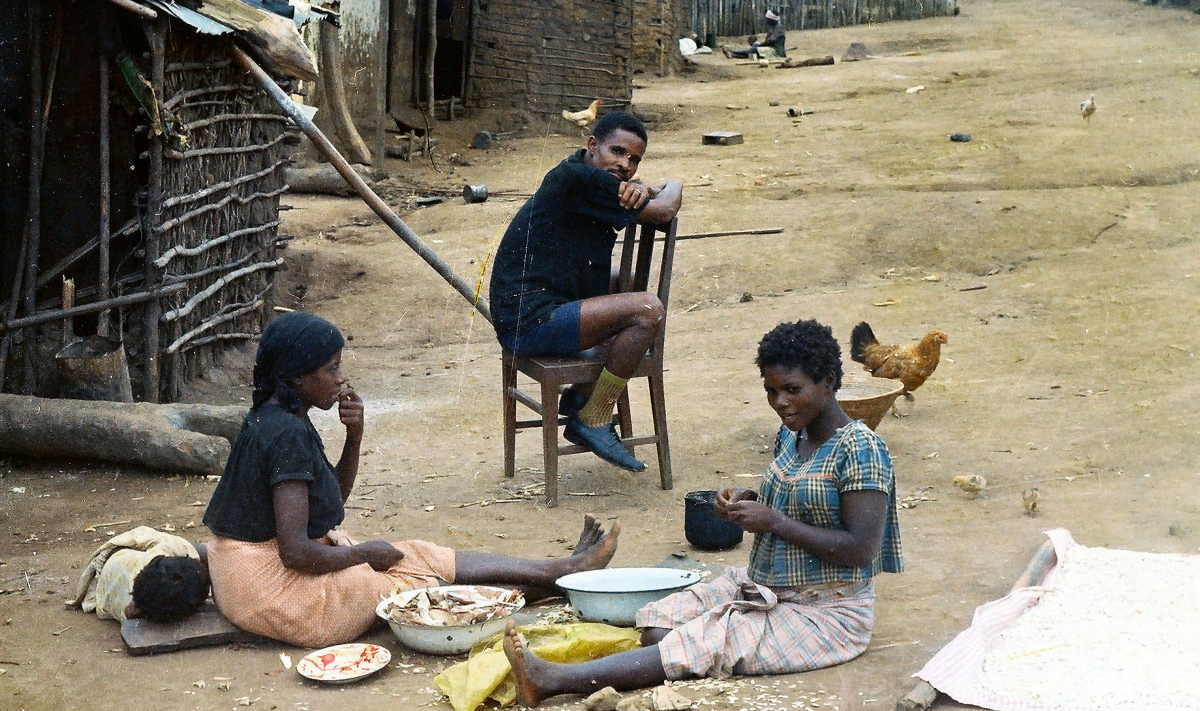
Yes! I’ve been in Angola more than 40 years ago, divided between the war at north, and the good days of Luanda.
It was a Portuguese territory and civilization, and after decades of civil war and abandon everything changed.
My dream is to go back as soon they have reasonable conditions.
I think that the people deserves it, but… will I recognize it? So far, this is, for me, the best of Angola.
Future is waiting
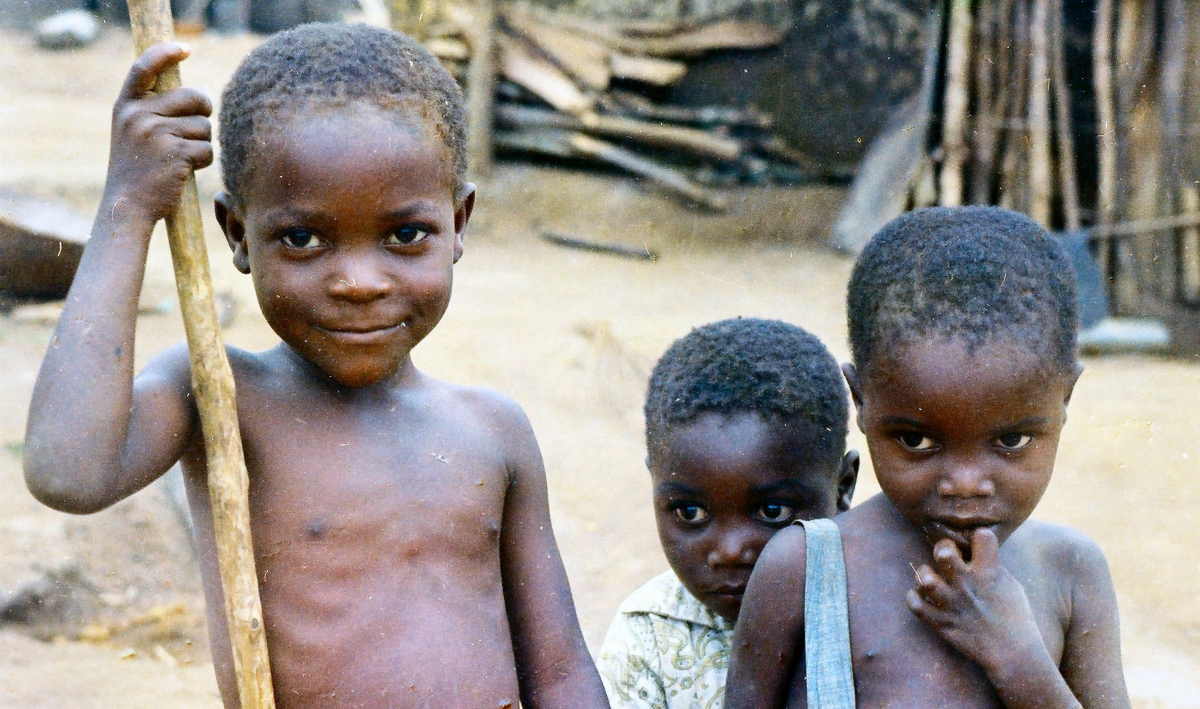
There’s a lot to be done. But how far can such a rich and fertile country go, as soon as it finds it’s way? The friendly children deserve a better future.
Tourism in search of authenticity and a boosting nature will help.
Professional contacts are opening a chance to return. I will, with pleasure!
Brick factory
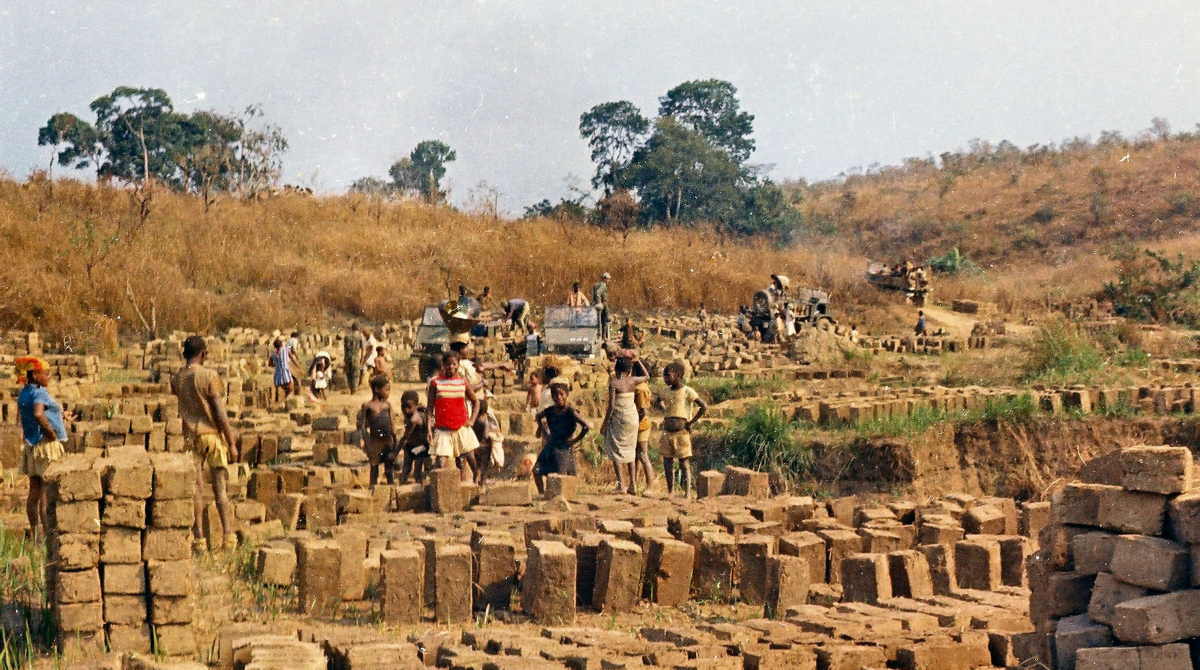
Somewhere in Zaire, bricks are produced in the easiest way: clay is mixed with straw, shaped and… it’s done.
A couple of days under the bright sun replaces the firing costs, and Quiximba will continue to grow.
Did it really grow? Quiximba was a village formed by the familiar of guerrilla warriors from Quanza Sul, moved to the far north to brake contacts. After the war did they stay or did they go back home? In Google Earth it looks like an empty area, but… how I would like to return and verify!
Natural nature

The luxuriant north of the country, with hundreds of unexplored coasts and beaches, has, in Uige area, everything to surprise the visitor.
From punctual rain (you can predict in one week in advance or more, with an error of less than half an hour) that is really rain, to the sublime look and fragrance of coffee blooming, the sub-tropical forest controls life. And it feels good, following those rhythms of life. Zaire, in the coast, is less predictable.
 Personal Memories
 Personal Memories
Coffee and Timber

We know that Angola‘s natural wealth is not just oil and diamonds. For a year I lived on a farm in the north, where coffee production and logging reached impressive values. The civil war stopped many of these explorations, but the potential is there, and I dream to see the spectacle of coffee flowering again.
Scars of war
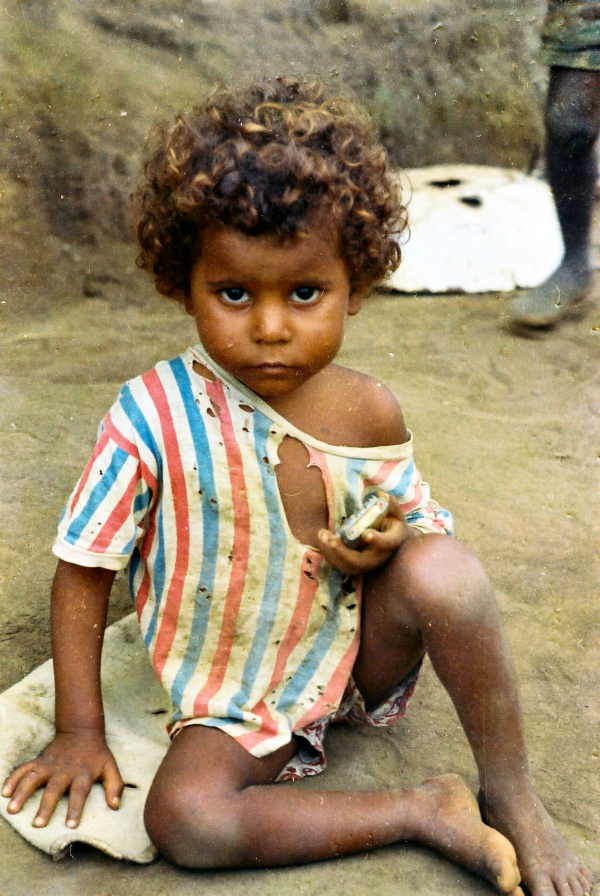
War ended a few years ago, but it still conditioning local life.
Mines are the most dangerous menace, restricting accesses. But the other signs are surely being erased. Quiximba, was a sort of concentration camp, and I believe that now, it has disappeared.
Blond negro children are another sign of war, that, instead of disappearing, will now, I hope, find a new reason to live a happy life.
But… will Quiximba still remain?
Yes, it seems to continue, now under the name of Kinximba.
If you want to easily publish your own experiences, after registering you may use the form below. It will be added after revision. You may use text, photos till 20Mb or video. For a more complex publication click here.
Publishing form
You need to be logged in to view this page
Your trip will be perfect with the help of our partners
For a great experience:
For your safety:
For your comfort:
For cheap flights:
For local displacements:
 English
 Português