

Overview
The Comunidad Valenciana stretches along Spain’s eastern Mediterranean coast, offering a blend of seaside brightness, cultural heritage and landscapes that shift from beaches to mountains and quiet inland towns. It is a region defined by diversity: the futuristic architecture of Valencia, the elegance of Alicante’s coastline, the charm of Castellón’s small villages and the rural calm of its interior. Mediterranean light shapes everything — from the colours of the sea to the rhythm of daily life — creating an atmosphere that feels warm, expressive and deeply connected to tradition. The region balances modern energy with historical depth, making it one of Spain’s most engaging and multifaceted destinations.
Best time to visit
The best time to visit the Comunidad Valenciana is from April to October, when warm temperatures and clear skies highlight the coastline and outdoor lifestyle. Spring brings mild weather and blooming landscapes, ideal for exploring cities and natural parks. Summer offers lively beaches, long evenings and a vibrant Mediterranean atmosphere. Early autumn provides soft light and comfortable conditions for cultural visits and seaside walks. Winter is gentle and quiet, suitable for discovering museums, historic centres and inland towns at a slower pace.
Getting around
The region is easy to explore thanks to its modern transport network. Valencia, Alicante and Castellón are well connected by trains, trams and buses, while coastal areas offer scenic drives and promenades. Inland routes lead to mountain villages, vineyards and natural parks. Cycling is increasingly popular in cities and along the coast. Movement reflects the region’s balance between urban convenience and natural surroundings, shaped by both Mediterranean calm and modern infrastructure.
Safety and local etiquette
The Comunidad Valenciana is safe and welcoming, with a relaxed atmosphere typical of coastal Spain. Normal precautions are recommended in busy urban areas. Locals value politeness, cultural pride and respect for shared spaces. Visitors are encouraged to greet people warmly, enjoy the region’s calm rhythm and appreciate its mix of tradition and modernity.
Food and water
The region is the birthplace of paella, and its cuisine reflects the richness of Mediterranean ingredients. Rice dishes, fresh fish, seafood, vegetables and traditional desserts shape its culinary identity. Markets such as Valencia’s Mercado Central highlight local produce and vibrant food culture. Tap water is safe throughout the region. Meals are social and generous, celebrating both heritage and creativity.
Day trips and excursions
The Comunidad Valenciana offers countless excursions across coast and inland areas. Valencia provides futuristic architecture and historic charm. Alicante offers beaches, castles and seaside promenades. Castellón reveals quiet villages, natural parks and rural landscapes. Inland, towns such as Xàtiva, Sagunto, Alcoi and Requena add cultural depth. The coastline includes coves, cliffs and Mediterranean scenery ideal for relaxed exploration.
Essence of the Comunidad Valenciana
The essence of the Comunidad Valenciana lies in its harmony between Mediterranean life, cultural heritage and modern vision. Historic streets lead to futuristic landmarks, gardens stretch through cities and the sea shapes the region’s gentle rhythm. It is a place where creativity feels natural, where tradition remains alive and where everyday life carries a warm, expressive tone. The region embodies the luminous soul of Spain’s east — balanced, vibrant and unmistakably Mediterranean.
Highlights in Comunidad Valenciana
Valencia, a modern and evolved city, with great landmarks such as the City of Arts and Sciences and the historic Lonja de la Seda, a UNESCO World Heritage Site, Among the beaches, Benidorm, one of the most famous in Spain, and Torrevieja with its exotic pink lake are just some of the many places to visit.
Visited places:


Fuentes del Algar

Guardamar del Segura


Playa de San Juan

Torrevieja


Villajoyosa


- Comunidad Valenciana is located on Spain’s Mediterranean coast.
- The region consists of the provinces of Alicante, Valencia, and Castellón.
- Spanish and Valencian are the official languages.
- Valencia is the regional capital and largest city.
- Tap water is safe to drink throughout the region.
- Credit and debit cards are widely accepted.
- The official currency is the Euro (€).
- The region is considered the birthplace of paella.
- Valencia Airport and Alicante Airport provide extensive international connections.
- Summer is the busiest tourist season along the coast.
- The Mediterranean climate allows for year-round tourism.
- Comfortable footwear is recommended for exploring historic centres and mountain villages.
- Many coastal towns can be easily reached by train or road.
Comunidad Valenciana has a Mediterranean climate, characterised by hot summers, mild winters, and abundant sunshine throughout most of the year.
- Spring (March to May) — pleasant temperatures, blooming landscapes, and ideal conditions for sightseeing and outdoor activities.
- Summer (June to August) — hot, sunny weather and perfect conditions for beaches and water sports.
- Autumn (September to November) — warm temperatures, fewer visitors, and excellent sightseeing conditions.
- Winter (December to February) — mild weather, particularly along the coast, with many sunny days.
The most popular period to visit is from April to October, when weather conditions are generally ideal for beach holidays, sightseeing, outdoor dining, and exploring the diverse attractions of Comunidad Valenciana.
Today:
🌐 Regional connection
This region composes the Valencia Region Cluster, a curated region showcasing Mediterranean beaches, historic towns, natural parks, mountain landscapes, and some of Spain’s most rewarding cultural experiences.

Visiting Comunidad Valenciana
Benidorm is one of the favorite Spanish beaches amidst the Portuguese, and I was no exception, having been there several times.
The first one was just driving along the coast, passing also in Elche, Alicante and Cullera, before skipping Valencia to return to the coastal road that passes near Sagunto and Castellon, to another stop in Peñiscola.
Several years later I returned to Comunidad valenciana with the kids, driving southbound, after a bad experience in Valencia (my car was assaulted), stopping in Gandia, Denia and Peñon de Ifach, before a reaching Altea, where we stayed a week.
The boys enjoyed Benidorm, and we had to return for a week a few years later.
Time enough to travel around, seeing Alfaz de Pi, Fuentes del Algar (where, recently, I returned with my larger family – grandsons), and Guadalest.
The kids grew (and went alone to the adventure of Bunol festivities) and added a third generation to the touristy team.
It was the three generations that spent together in 2017 more ten days in Benidorm, with two more weeks in 2023 after vacation in 2022 in its neighbor Playa de San Juan.
Well, I think that it’s enough, but… who knows?
Alicante

After several quick passages by Alicante, two weeks in vacation allowed finally a deeper view. We didn’t go up Santa Bárbara Castle, perched atop Mount Benacantil, but made a good stroll in Explanada de España, browsing the adjacent streets. Staying in the much better Playa de San Juan, we didn´t appreciate much Playa de Postiguet, overcrowded, maybe because it stays inside town.
Playa de San Juan

Yes, they were very good the two weeks that we spent in Playa de San Juan – Good beach, enough animation without excesses, good trips around, exploring the coast from Torrevieja (that I didn’t know) to the well-known Benidorm, with a new visit of Santa Pola and Villajoyosa, where I had passed… fifty years before. my family wants to repeat. Maybe!
Torrevieja

It was a curious trip the visit of the pink lake, where we had never been before. Torrevieja surprised me, with its heavy construction, and the many small and secludes beaches, some of them really attractive some other very rocky for my taste. It was interesting to visit, but I must confess that it didn’t enter my (long and inviting) list for vacation in Spain.
The same applies to Guardamar del Segura, a few kilometers distant, in the way to Alicante, a wide and good beach, but where parking was the biggest nightmare in this trip.
A small disappointment was Santa Pola – I passed there in 1977, retained a good image, enhanced by some postcards, however, the new image was poorer than the memories. Interesting the laguna and the flamingos, but… there are better beaches.
Altea

Peaceful Week
A small town with character, very… very quiet (as I needed) close to Benidorm, and more.
We walked a little at sea level, with the idea that the steep hill, topped by the cathedral would be nice, but, with two small kids, we preferred to stay by the sea, or to travel around by car, so, we saw not much in Altea
Benidorm

Yes, I know that Benidorm is a confusion, exactly the opposed of what urban people seeks – a calm, empty beach under the palm trees.
We live in the country, and for us, changing is exactly the opposite of those needs of townspeople.
Benidorm was the choice in a few occasions, for many years the only reason leading me to the Comunidad Valenciana, always meeting expectations.
Calpe beaches

Calpe is a vibrant coastal town on the Costa Blanca, known for its striking Peñón de Ifach, golden beaches, and lively Mediterranean atmosphere. With scenic promenades, fresh seafood, and a mix of modern and historic areas, it’s an ideal destination for relaxed seaside days and outdoor exploration.
I had already been to Calpe twice, and I liked it, and it had been on my list for future holidays.
It only happened now, and it was an excellent choice, which I describe in detail on the respective page.
Castalla
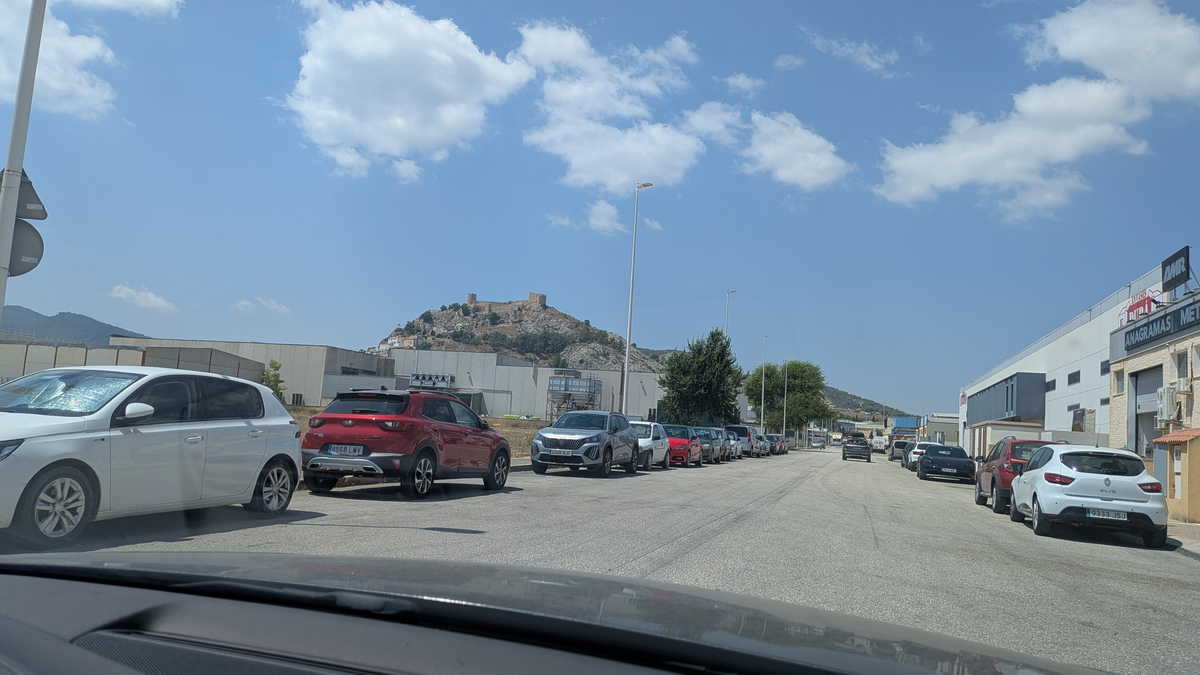
I confess I had never heard of or read about this village, but the baby’s tight schedule decided it would be the location of our lunch while we were traveling. A fleeting image of the castle remained, and a satisfying lunch, but one condemned to oblivion.
Villena

Villena is a historic inland town known for its impressive medieval castle, charming old quarter, and strong cultural traditions. With archaeological treasures, lively festivals, and a strategic location between Alicante and Castilla‑La Mancha, it offers an authentic glimpse into the heritage of southeastern Spain.
This was the planned location for lunch, and a brief visit to begin digestion. It wasn’t possible, and the view as we passed confirmed that if we found a decent restaurant, that would have been the best choice.
Meson La Senia – Castalla
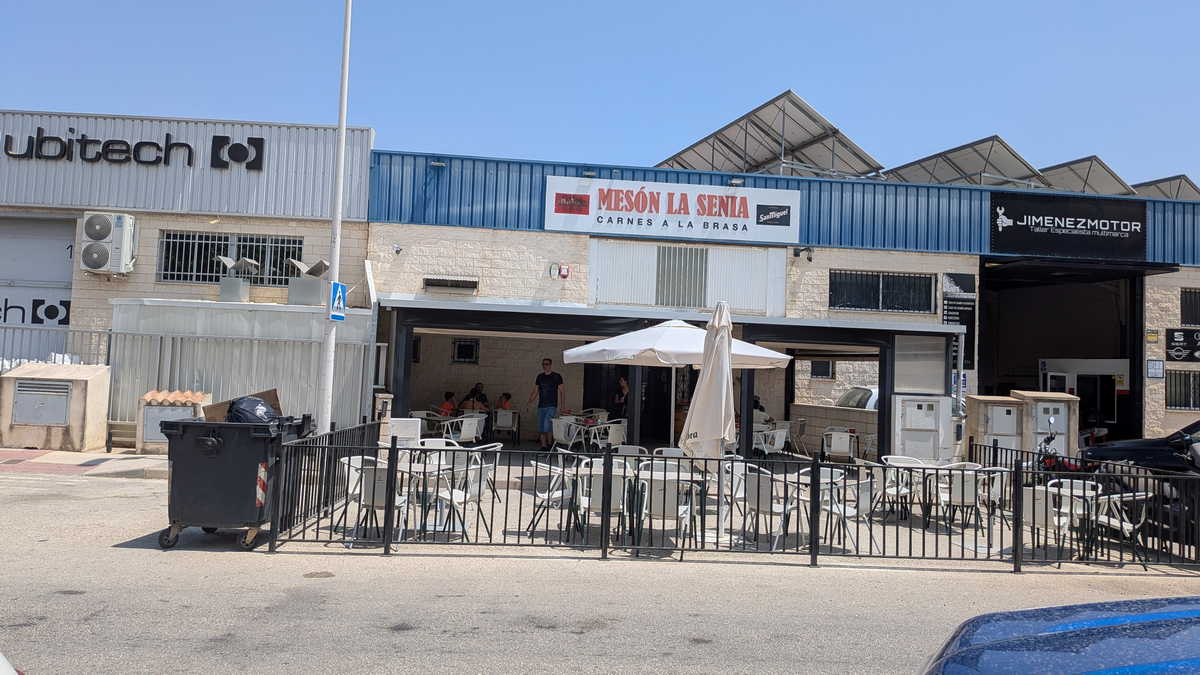
During an unplanned lunch, we stumbled upon this restaurant, clearly geared towards workers in the industrial area where it’s located.
It was, of course, a simple and inexpensive meal, with the curious detail of being served some grilled pork loin that, judging by the color and cut of the meat, looked like beef, but was actually pork.
The excessive abundance and fat resulted in difficult and prolonged digestion, which had repercussions at dinner in Ciudad Real.
If you want to easily publish your own experiences, after registering you may use the form below. It will be added after revision. You may use text, photos till 20Mb or video. For a more complex publication click here.
Publishing form
You need to be logged in to view this page
Your trip will be perfect with the help of our partners
For a great experience:
For your safety:

For your comfort:
For cheap flights:
For local displacements:
 English
 Português