
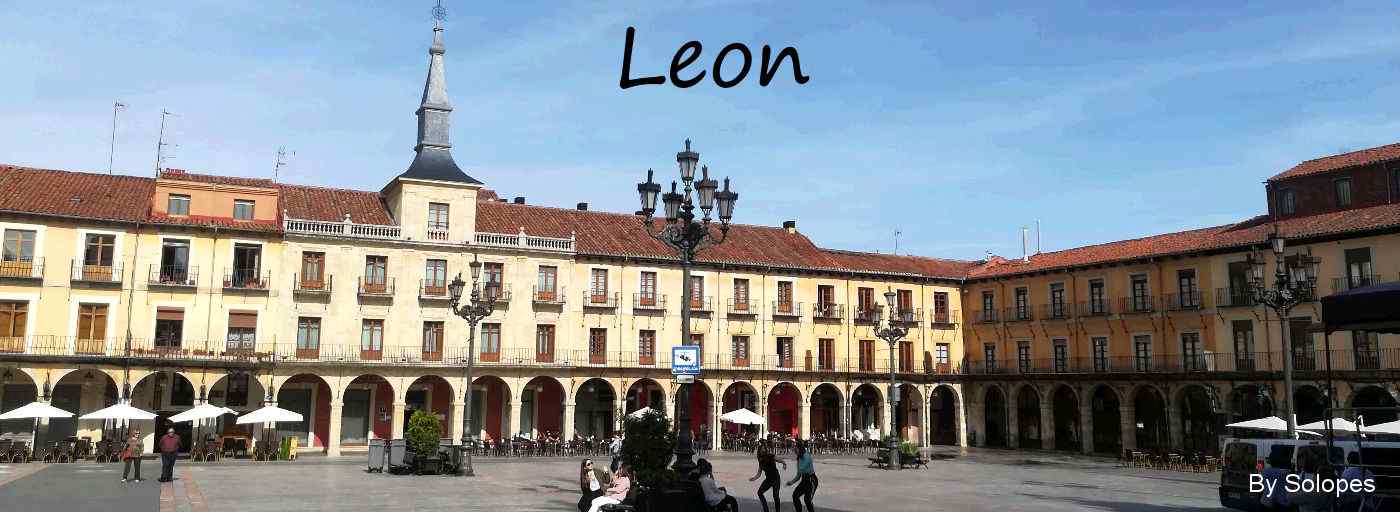
Overview
León is one of Spain’s most beautiful historic cities, known for its Gothic cathedral, Romanesque treasures, tapas culture, and Camino de Santiago atmosphere. With medieval streets, lively plazas, and architectural gems like the Basílica de San Isidoro and Gaudí’s Casa Botines, León blends heritage, gastronomy, and a relaxed northern rhythm. It’s compact, walkable, and ideal for slow exploration.
Best Time to Visit
The best time to visit is from April to June and September to October, when temperatures are mild and perfect for exploring the old town and its monuments. Summer is warm and lively, ideal for outdoor dining and evening strolls. Winter is cold but atmospheric, especially around Christmas and during cultural events.
Getting Around
León is easy to explore on foot — most landmarks are concentrated in and around the historic center. Local buses connect residential areas, and trains link the city to Madrid, Burgos, and other Castile and León cities. Renting a car is useful if you plan to explore nearby villages, mountains, or natural parks, but not necessary for staying within the city.
Safety and Local Etiquette
The city is safe and welcoming. Weather can be cool even in spring, so a light jacket is useful. Respect historical sites, quiet residential streets, and religious buildings. Locals appreciate politeness, calm behavior, and support for small businesses and traditional taverns.
Food and Water
León’s cuisine is hearty and traditional. Expect cecina, morcilla, embutidos, cocido leonés, quesos, and excellent wines from Bierzo. Tap water is safe to drink. The Barrio Húmedo and Barrio Romántico are the city’s tapas hubs, offering lively bars and local specialties.
Day Trips and Excursions
León is perfectly located for exploring Castile and León’s landscapes and heritage. Popular excursions include:
- Las Médulas — ancient Roman gold mines and dramatic red landscapes.
- Astorga — Gaudí’s Episcopal Palace and chocolate tradition.
- Picos de Europa (León side) — mountain scenery and quiet villages.
- Valporquero Cave — impressive underground formations.
- Sahagún — Camino heritage and historic monasteries.
For longer trips, you can reach Burgos, Oviedo, Salamanca, or Valladolid.
The essence of León
This historic city is defined by its cathedral — a masterpiece of Gothic light — and by the medieval streets that surround it. It’s a city where history feels present, where tapas culture fills evenings, and where Romanesque treasures add depth to every walk. The essence of León lies in its atmosphere: calm, historic, and welcoming, offering one of the most authentic urban experiences in northern Spain.
Highlights in León:
Its crown jewel is the Cathedral, a masterpiece of Gothic architecture famed for its mesmerizing stained-glass windows, considered some of the finest in Europe. Nearby, the Basilica of San Isidoro offers a glimpse into Romanesque artistry, with stunning frescoes and an impressive royal pantheon.
Wandering through the city’s historic core, we may appreciate the cobblestone streets leading to charming squares like Plaza Mayor, a vibrant hub of local life. Art enthusiasts shouldn’t miss Casa Botines, a striking modernist building by Antoni Gaudí, which now houses a museum dedicated to his work.


- León is the capital of the province of León and one of the most historic cities in northern Spain.
- The city played a major role in the medieval Kingdom of León, one of the most influential kingdoms of the Iberian Peninsula.
- Tap water is safe to drink and of excellent quality.
- The magnificent León Cathedral is considered one of the finest Gothic cathedrals in Europe and is famous for its extraordinary stained-glass windows.
- The city is an important stop on the Camino de Santiago (Way of Saint James).
- The impressive Basilica of San Isidoro contains the Royal Pantheon, often referred to as the “Sistine Chapel of Romanesque Art”.
- The striking Casa Botines, designed by Antoni Gaudí, is one of the architect’s few works outside Catalonia.
- The historic centre preserves medieval streets, churches, palaces, plazas, and traditional architecture.
- The lively Barrio Húmedo is famous throughout Spain for its tapas culture and nightlife.
- The city is known for traditional gastronomy, including Cecina de León, Botillo, roast meats, local cheeses, and wines from nearby regions such as Bierzo.
- León serves as an excellent base for exploring Astorga, Las Médulas, El Bierzo, the León Mountains, and the Picos de Europa.
- The city has a strong cultural scene, with museums, festivals, concerts, and historical events throughout the year.
- The destination is safe and visitor-friendly; normal precautions are generally sufficient.
- Credit and debit cards are widely accepted throughout the city.
- The official currency is the Euro (€).
- León is connected to Madrid by high-speed rail, with journey times of around two hours.
- Respect historic monuments, religious sites, pilgrimage routes, and local traditions when visiting.
León enjoys a continental Mediterranean climate, characterised by warm summers, cold winters, and relatively low annual rainfall. Its location on the northern Meseta gives the city marked seasonal contrasts.
- Spring (March to May) – mild temperatures, blooming parks, and excellent conditions for sightseeing and walking through the historic centre.
- Summer (June to August) – warm and generally dry, with temperatures typically ranging between 22°C and 32°C.
- Autumn (September to November) – pleasant weather, colourful scenery, and ideal conditions for cultural tourism and gastronomy.
- Winter (December to February) – cold conditions, generally ranging between -1°C and 10°C, with frequent frosts and occasional snowfall.
Spring and autumn are widely considered the best seasons to visit León.
Today:
🌐 Regional connection
This town is part of the Castilla y Leon cluster, a curated region showcasing monumental cities, medieval towns, historic fortresses, wine regions, and some of Spain’s most important cultural landscapes.

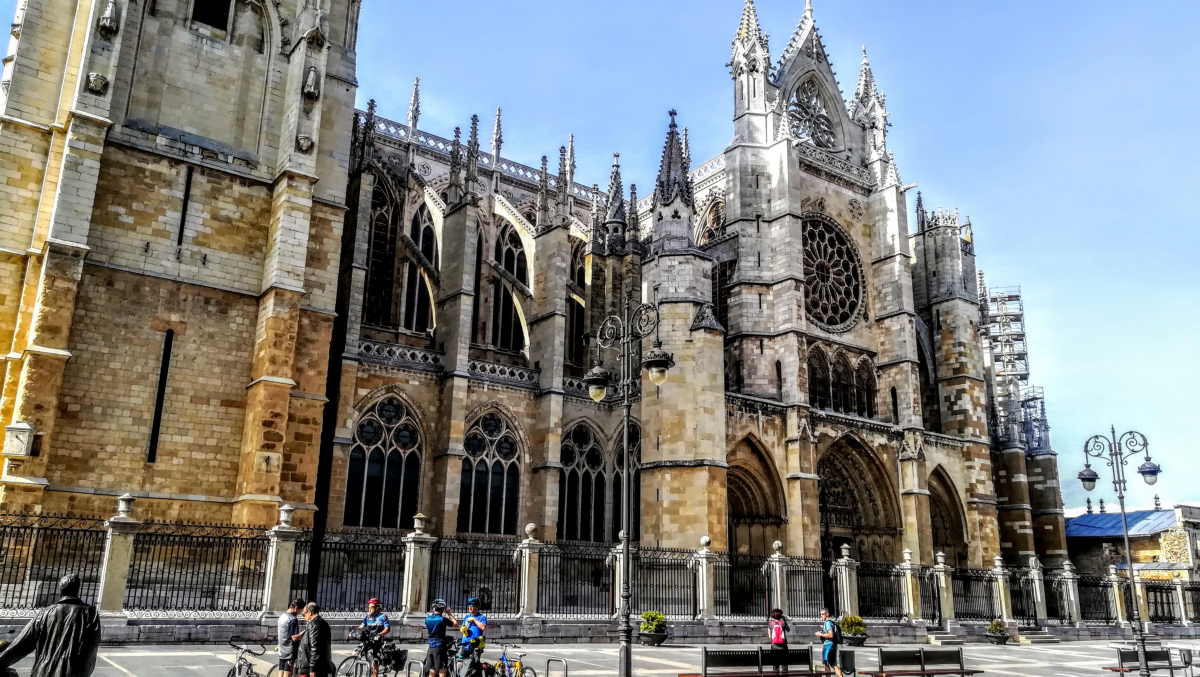
Visiting Leon – the Cathedral
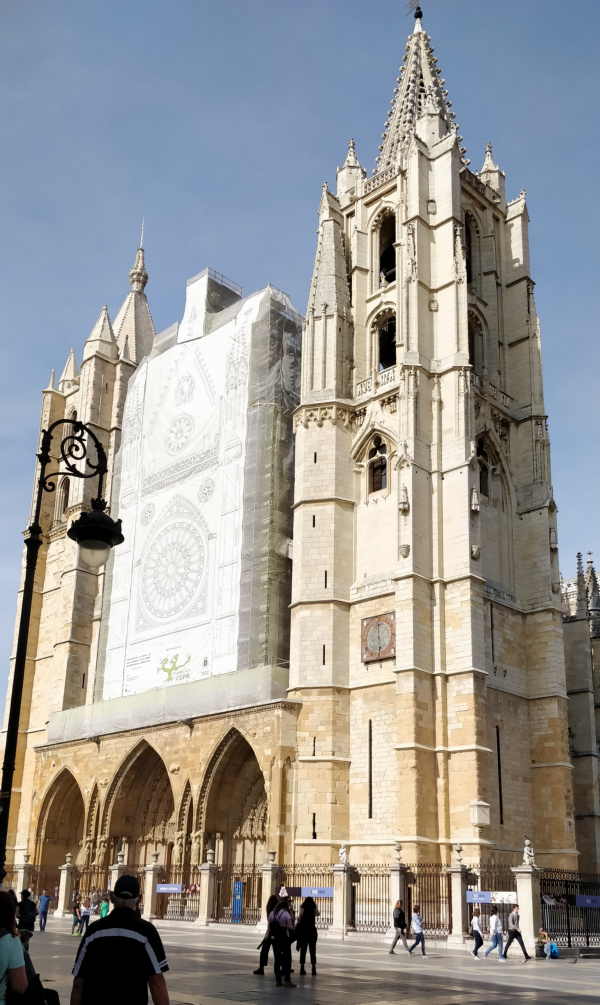
The Cathedral of León is an impressive Gothic church, also known as the Cathedral of Santa María de Regla. Its construction began in the 13th century and continued for several more centuries, resulting in a unique blend of Gothic and Renaissance architectural styles.
It is famous for its impressive stained-glass windows, which cover an area of more than 1,800 square meters and are considered some of the best in Europe. It also has a large number of decorative details, including sculptures, capitals and rose windows, which make it a true work of art.
Inside the cathedral is the chapel of San Froilán, patron saint of the city, where you can admire a magnificent 18th-century Baroque altarpiece. There is also a cloister dating from the 14th century and which is considered one of the most beautiful in Spain.
San Isidoro
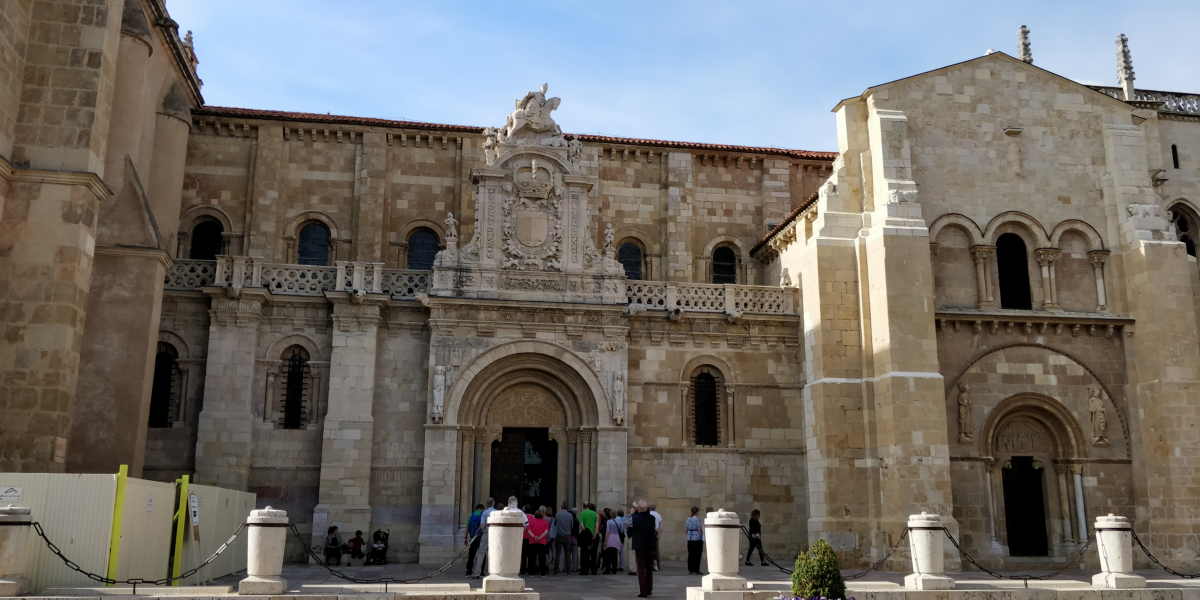
The Basilica of San Isidoro is a good example of Romanesque architecture and one of the highlights of Leon. Originally built in the 10th century on the site of an ancient Roman temple, it was later dedicated to Saint Isidore of Seville in 1063. The basilica is renowned for its stunning frescoes in the Royal Pantheon, often referred to as the “Sistine Chapel of Romanesque Art”. The church’s architectural features include intricate carvings, a beautiful cloister, and a majestic bell tower.
Historic Center
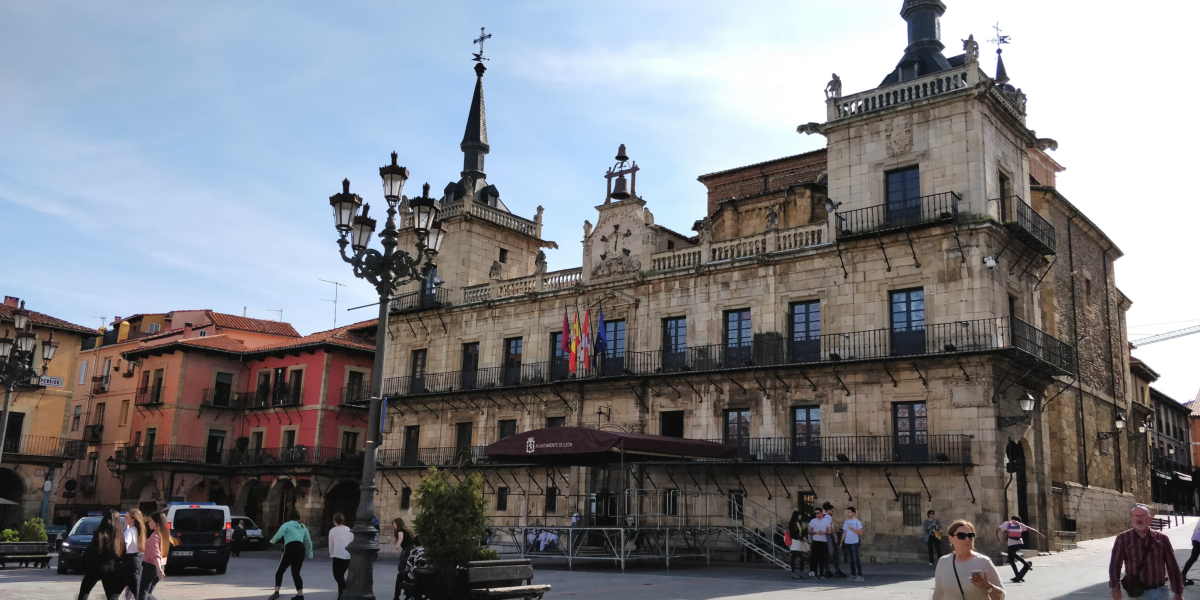
Lots of personality in the historic center, the best of León. It shows a blend of architectural styles, from Romanesque to Gothic and Renaissance. Key landmarks include the Cathedral, and the Basilica of San Isidoro, that I saw, and, reserved for next visit, the Monastery of San Marcos and the Casa Botines, designed by Antoni Gaudí.
Plaza Mayor
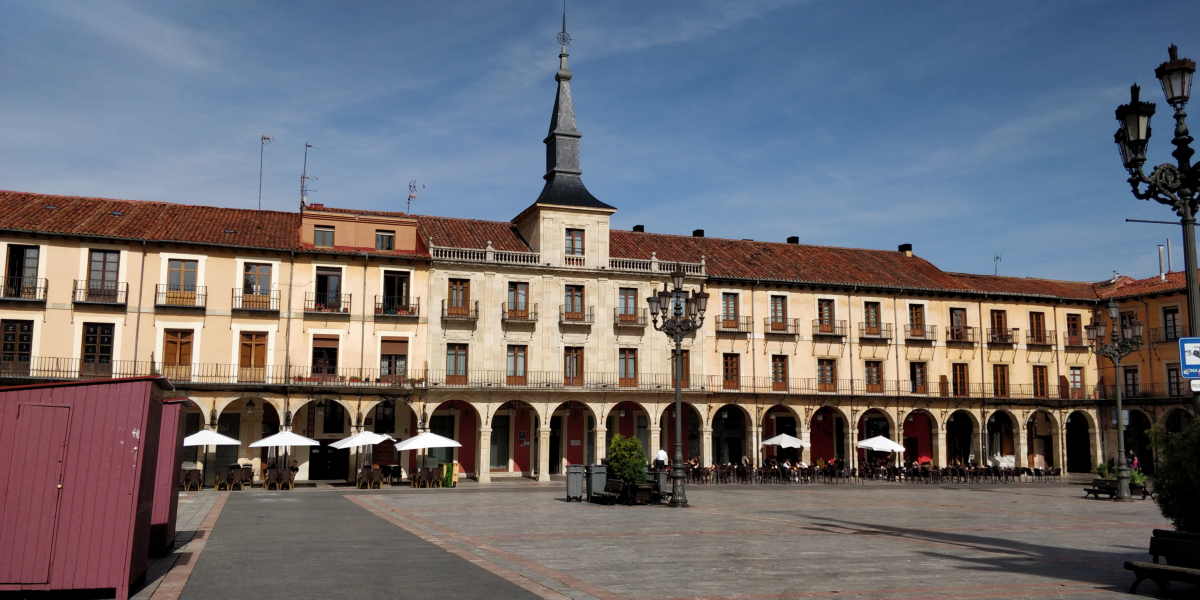
Plaza Mayor dates back to the Middle Ages. The current square was constructed between 1654 and 1677 after a devastating fire. Designed by architect Francisco del Piñal, it features a harmonious blend of baroque and neoclassical architectural styles. The square is surrounded by arcaded buildings, which house cafes, shops, and restaurants, creating a lively atmosphere.
Park Cid
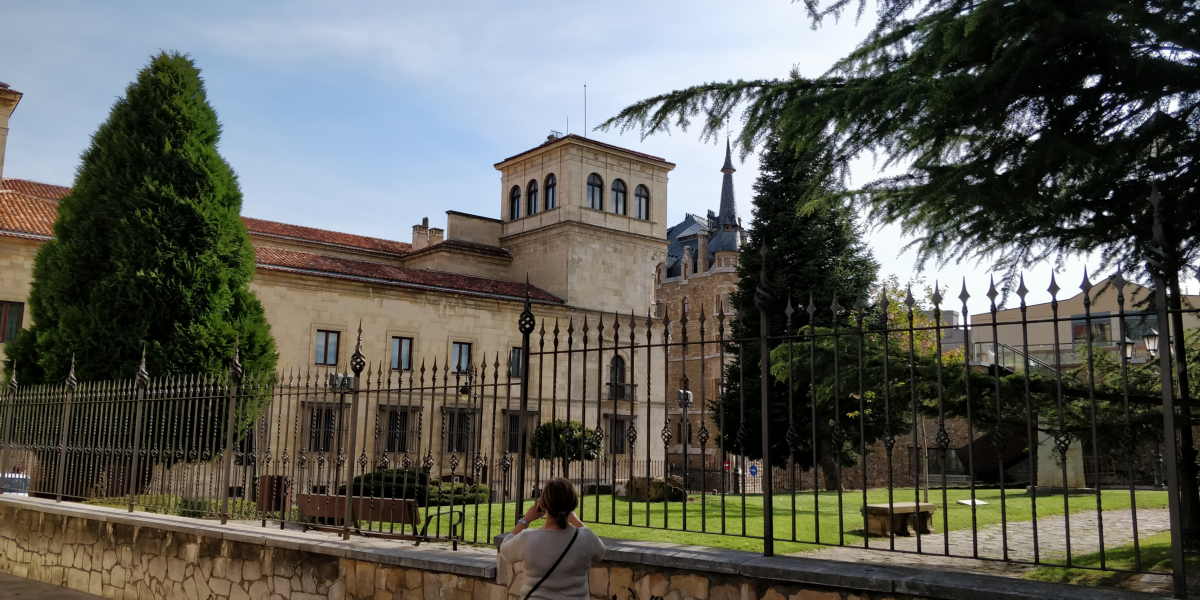
Parque del Cid, located in the heart of th3e city, is a serene green space perfect for relaxation and leisure. Established in 1972, the park occupies the site of a former convent and later a military barracks. It features lush lawns, shaded areas, and numerous benches, and is adorned with fountains and mature trees.
Edifício Mirador
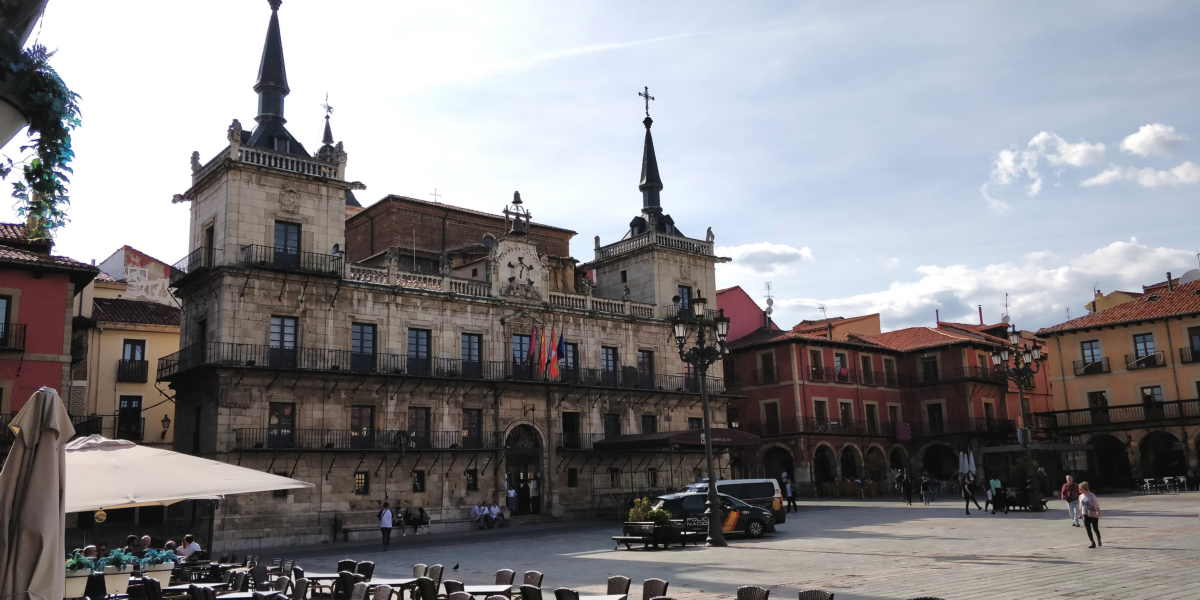
The Edificio Mirador was built between 1674 and 1677 during the reconstruction of the Plaza Mayor, replacing the earlier Casa de las Panaderías. It is one of the most beautiful in the square.
Plaza de Regla
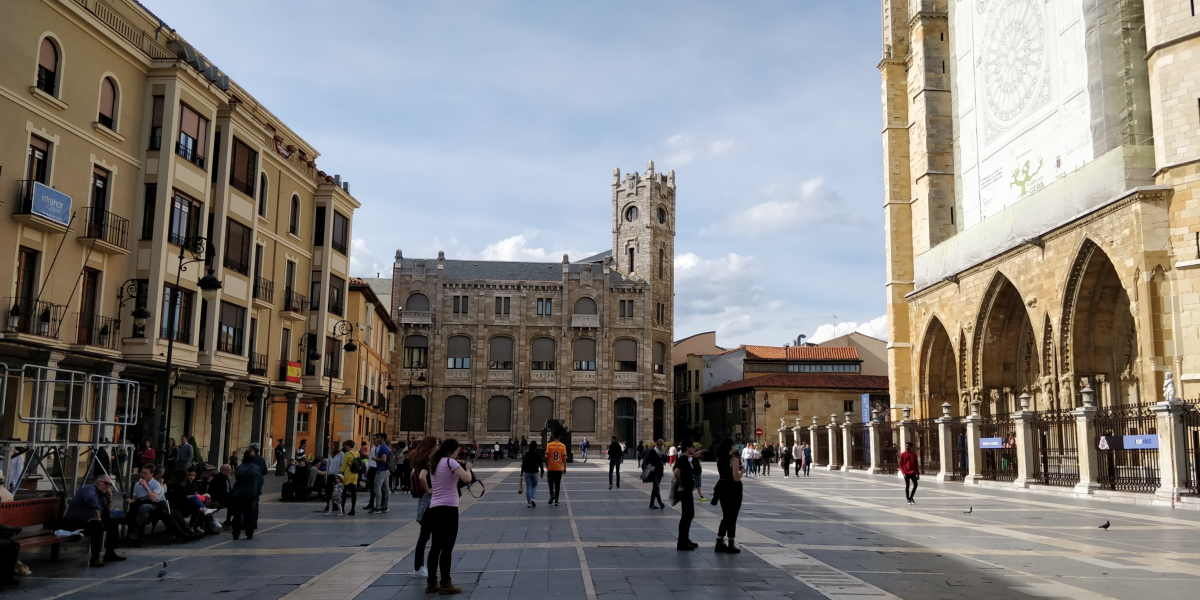
Plaza de la Regla, also known as Plaza de la Catedral, is a central square of the city. It is renowned for the stunning Gothic cathedral that dominates the plaza. This area is a bustling hub for both locals and tourists, with cool esplanades.
If you want to easily publish your own experiences, after registering you may use the form below. It will be added after revision. You may use text, photos till 20Mb or video. For a more complex publication click here.
Publishing form
You need to be logged in to view this page
Your trip will be perfect with the help of our partners
For a great experience:
For your safety:

For your comfort:
For cheap flights:
For local displacements:
 English
 Português