

Overview
El Puerto de Santa María, often simply called El Puerto, is a coastal town in the province of Cádiz known for its relaxed atmosphere, long sandy beaches, and deep historical roots. The town sits along the Guadalete River and forms part of the famous Sherry Triangle, home to centuries‑old wineries and maritime heritage. Its charm lies in the balance between beach life, cultural landmarks, and a lively food scene shaped by fresh seafood and Andalusian traditions.
Best Time to Visit
El Puerto enjoys a warm climate for most of the year. The best months are May to October, when the beaches are at their finest and the evenings are perfect for riverside walks. July and August are the busiest, while spring and early autumn offer excellent weather with fewer crowds.
Getting Around
The town is easy to explore, especially the historic center and the riverfront.
- Walking — ideal for the old town, plazas, and main monuments
- Local buses — connect beaches like Las Redes and Valdelagrana to the center
- Car — useful for exploring the wider Bay of Cádiz
- Boat connections — seasonal ferries link El Puerto with Cádiz across the bay
Parking is generally manageable outside peak summer.
Safety and Local Etiquette
El Puerto is calm and welcoming, with a family‑friendly atmosphere. Keep in mind:
- Beaches can get busy in summer afternoons
- Historic areas are peaceful at night
- Restaurants follow typical Andalusian schedules (late lunches and dinners)
- Respect quiet residential zones near the beaches
Food and Water
Tap water is safe throughout the town. El Puerto is known for its seafood and traditional Andalusian dishes. Highlights include:
- Fried fish platters
- Grilled seafood
- Sherry wines from local bodegas
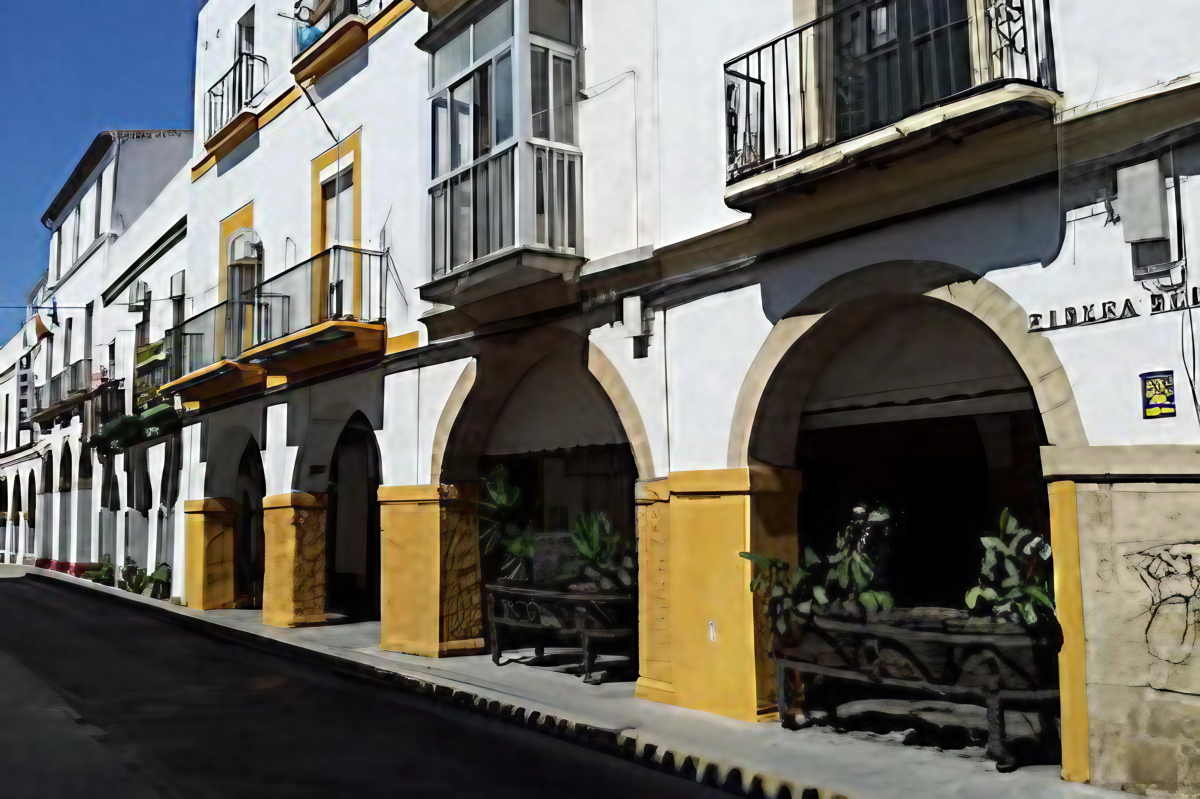
- Tapas along the Ribera del Marisco, one of the town’s culinary hubs
The Lonja (fish market) is a great place to experience the local fishing culture and fresh catch of the day .
Day Trips and Excursions
- Las Redes / Santa Catalina Beach — calm waters, wide sands, and a relaxed residential setting
- Muralla Beach — a quieter cove near Santa Catalina Castle, ideal for peaceful moments by the sea
- Puerto Sherry — marina area with restaurants and seaside views
- Castle of San Marcos — medieval fortress blending Gothic and Moorish elements
- Plaza de España & Iglesia Mayor Prioral — central square and historic church with Gothic‑Baroque architecture
- Osborne Winery Caves — iconic sherry cellars with centuries of history
- Municipal Museum (Marquesa de Candia Palace) — Baroque palace with local archaeological and artistic collections
- Alfonso X Cultural Center — exhibitions, library, and regionalist architecture
Essence of El Puerto de Santa María
El Puerto blends beach life, maritime heritage, and Andalusian culture in a way that feels authentic and unhurried. Its historic streets, sherry bodegas, and riverfront coexist with long beaches and quiet residential areas. Whether exploring medieval landmarks, enjoying seafood by the water, or relaxing on the warm Atlantic coast, visitors find a destination that is welcoming, diverse, and deeply connected to its traditions.
Highlights in Puerto de Santa Maria
The Castillo de San Marcos, the historic centre, the traditional bodegas, and the beaches of Valdelagrana and La Puntilla are among the city’s main attractions. Visitors can also enjoy waterfront promenades, fresh seafood, and easy excursions to Cádiz and Jerez de la Frontera.


- The historic center, waterfront, and main attractions are easy to explore on foot.
- Valdelagrana and La Puntilla are among the most popular beaches in the area.
- Regular train and bus services connect the city with Cádiz, Jerez de la Frontera, and Seville.
- Ferry services provide a scenic connection across the Bay of Cádiz.
- Tap water is safe to drink.
- Local restaurants specialize in seafood, tapas, and traditional Andalusian cuisine.
- The city is one of the main centers of sherry wine production in Spain.
- Parking is available throughout the city and near the beach areas.
- The city is safe and welcoming; normal precautions are sufficient.
- Most hotels, restaurants, and shops accept credit and debit cards.
- The official currency is the Euro (€).
- Sun protection is recommended throughout much of the year, particularly during summer.
El Puerto de Santa María enjoys a Mediterranean climate with strong Atlantic influences, providing long sunny seasons and mild temperatures throughout the year.
- Spring (March to May) — warm temperatures and ideal conditions for sightseeing and outdoor activities.
- Summer (June to August) — hot, sunny, and generally moderated by Atlantic breezes, with temperatures often between 28°C and 35°C.
- Autumn (September to October) — pleasant weather, warm sea temperatures, and fewer visitors.
- Winter (November to February) — mild conditions with occasional rainfall and comfortable daytime temperatures.
The most popular period to visit is from April to October, when beach conditions and outdoor activities are at their best.
Today:
🌐 Regional connection
This town is part of the Andalusia cluster, a curated region that highlights the diverse landscapes of southern Spain, from historic Moorish cities and white villages to Atlantic beaches, traditional fishing towns, and vibrant local traditions.

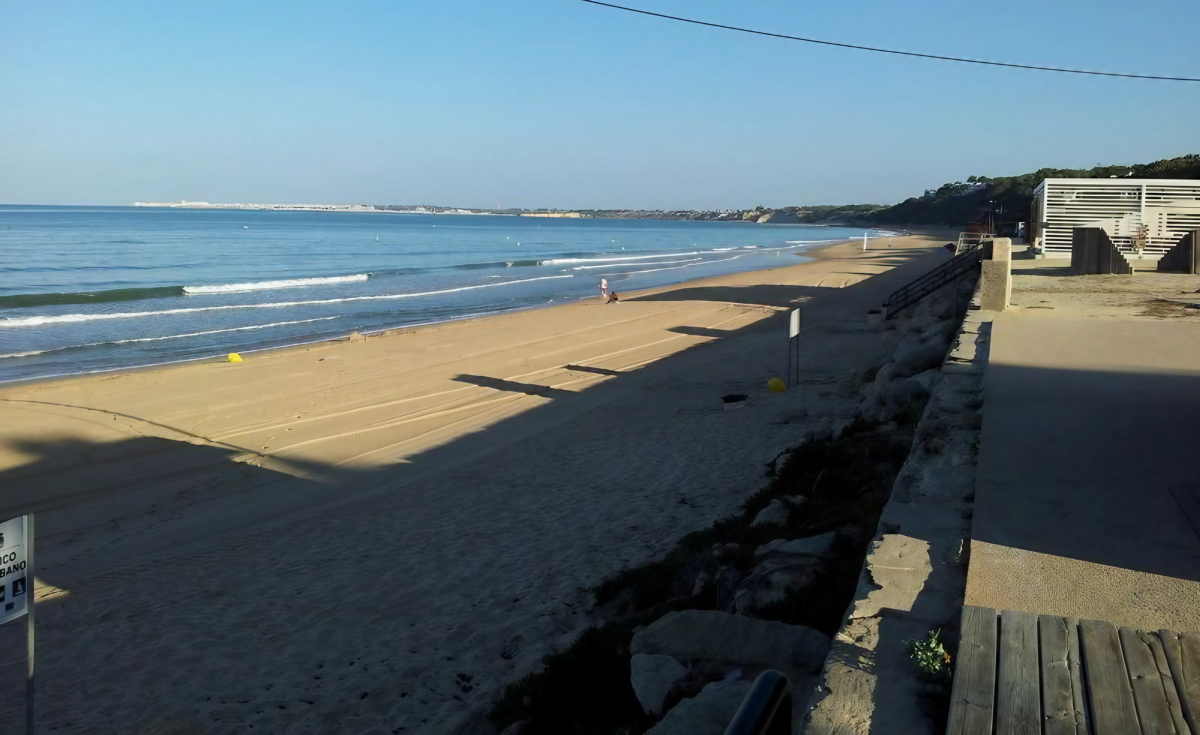
El Puerto de Santa Maria – The beaches
I had some good references of the beaches in El Puerto de Santa Maria, and decided to make it a possible destination for my vacations with family this year. I tried hard to get a place in Valdelagrana, but, with a big family, it was impossible, pushing us further to the unknown Santa Catalina beach.
It was a really good option, and the two weeks passed easily (and quickly).
The city

El Puerto de Santa María, often called El Puerto, is a charming city located on the banks of the Guadalete River in the province of Cádiz. Known for its rich history and cultural heritage, the city boasts beautiful beaches, historic landmarks, and a vibrant culinary scene. Its “bodegas” are famous, as the city is part of the famous Sherry Triangle.
Las Redes beach
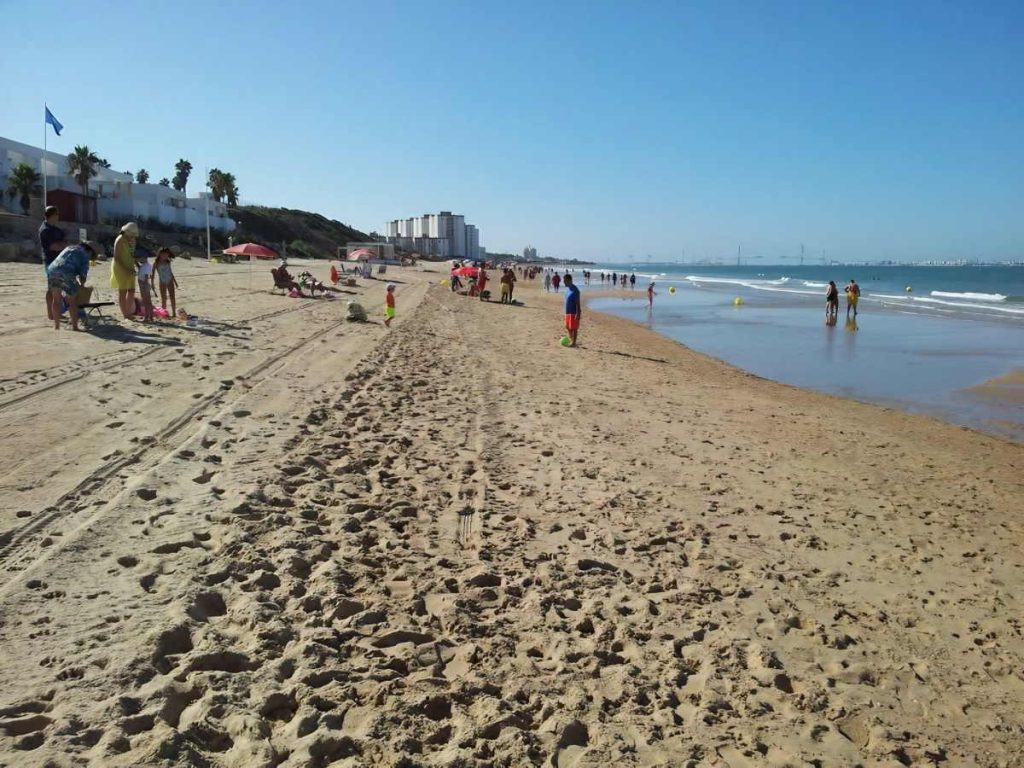
We booked a private villa in this beach, a little bit worried because it seemed less supported by touristic structures (it is) risking to become boring and not too practical. Wrong!
The beach does not have installed the hundreds of shadows and chairs as usual in Spain, but it had enough for our needs. Furthermore, the beach, in some hours with thousands of dwellers, never looked overcrowded.
The sea is calm, the water never went under 23º Celsius, and it is so shallow that high tide looks as low tide, and low tide provided wide football fields or playing grounds for the small children. The residential area has quality, is absolutely calm, with public transport to the centre (or other beaches).
NOTE – The general name of the beach is Santa Catalina, acquiring specific names according to the accesses – we were in Las Redes urbanization…
Muralla beach
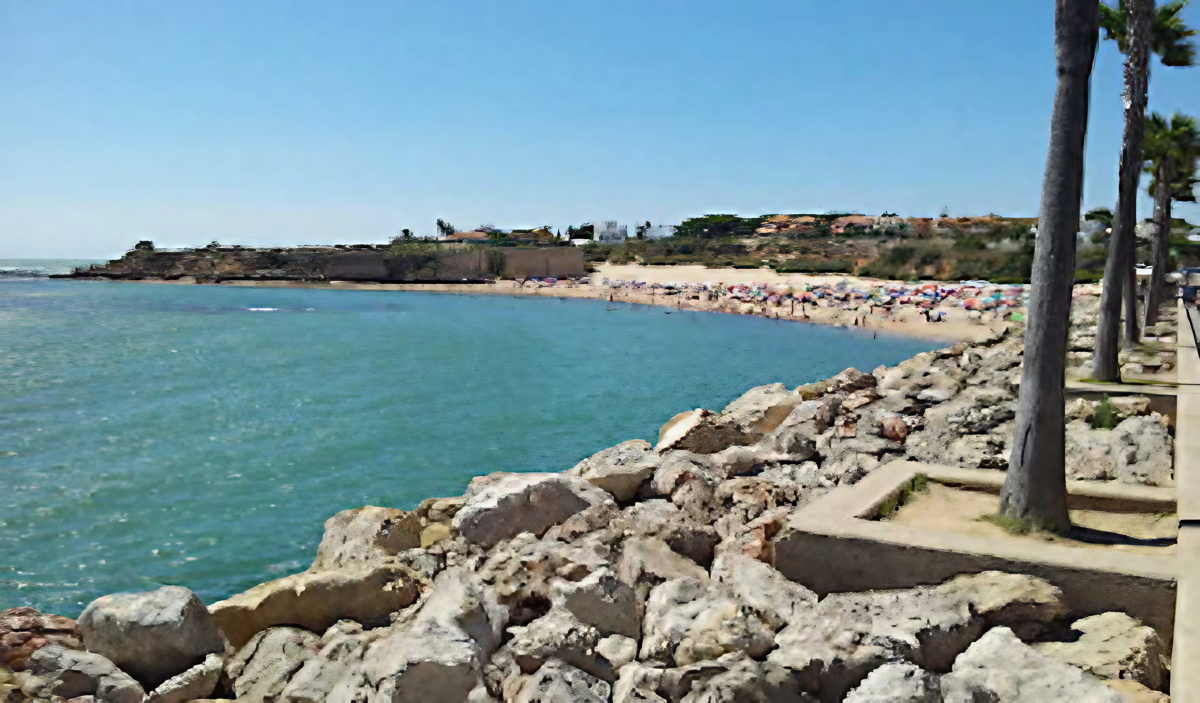
Muralla Beach, located near the historic Santa Catalina Castle, is a sandy cove surrounded by piled rocks, away from the busier beaches. The sand is thin, the water is calm, but not staying in the nearby buildings I think that no one goes there.
Cherry port
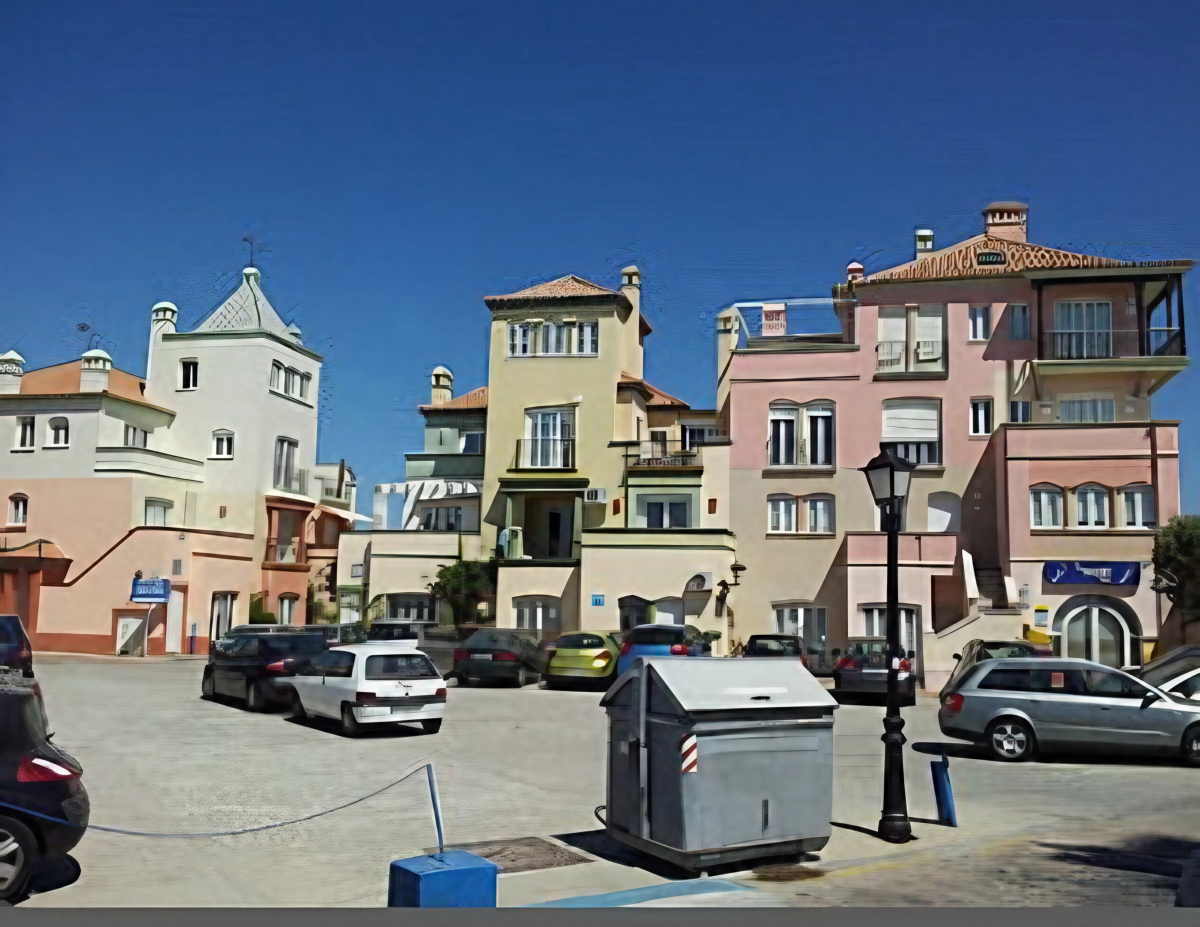
Puerto Sherry is a renowned marina and leisure port, close to that beach. The marina seems to be equipped with modern facilities, the construction surrounding it is harmonious and of good taste, but without a boat, I avoided the many advertisements for this area, and I think I chose well.
The castle
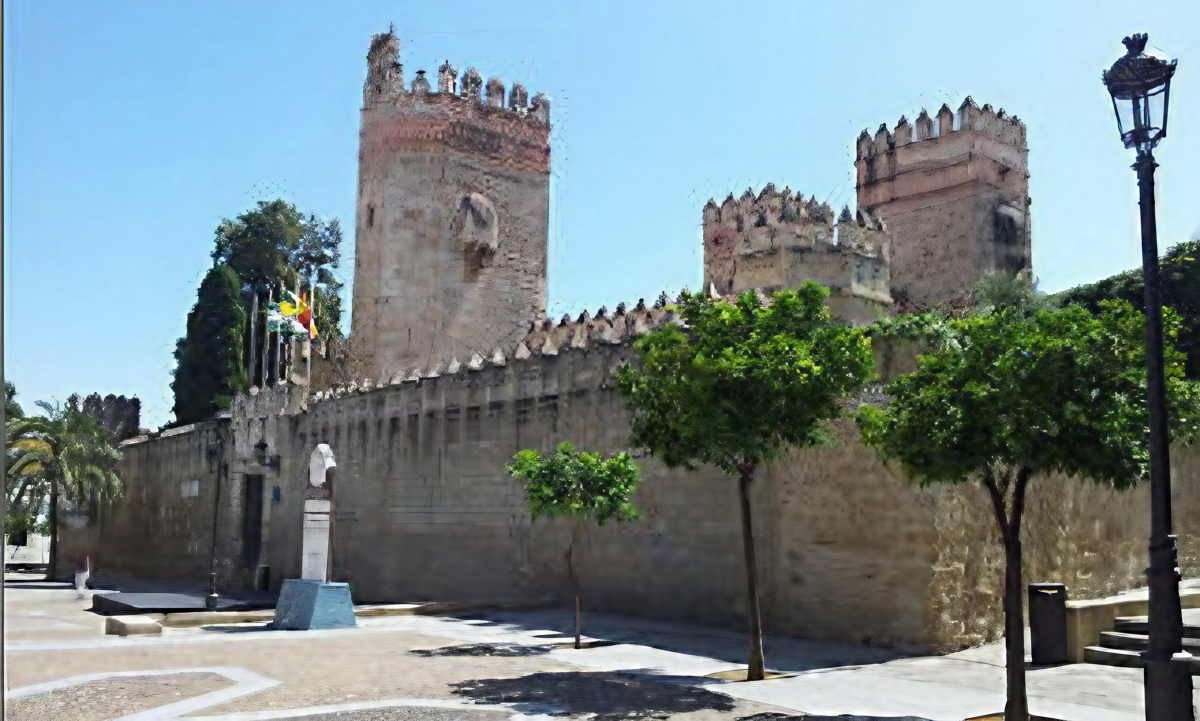
The Castle of San Marcos is a historic fortress with roots dating back to the 13th century. Originally built by King Alfonso X of Castile, the castle was constructed on the site of a former mosque, incorporating elements of its Islamic architecture. This medieval structure served both as a military stronghold and a religious site. Today, the castle stands as a well-preserved monument, showcasing a blend of Gothic and Moorish architectural styles.
Bullring

The big Real Plaza de Toros de El Puerto de Santa María was completed in 1880, showing an eclectic architectural style, blending various influences. It is one of the largest bullrings in Spain, with a capacity to hold approximately 12,000 spectators. The arena itself is 99 meters in diameter, providing ample space for the traditional bullfighting events that take place here.
Plaza de España
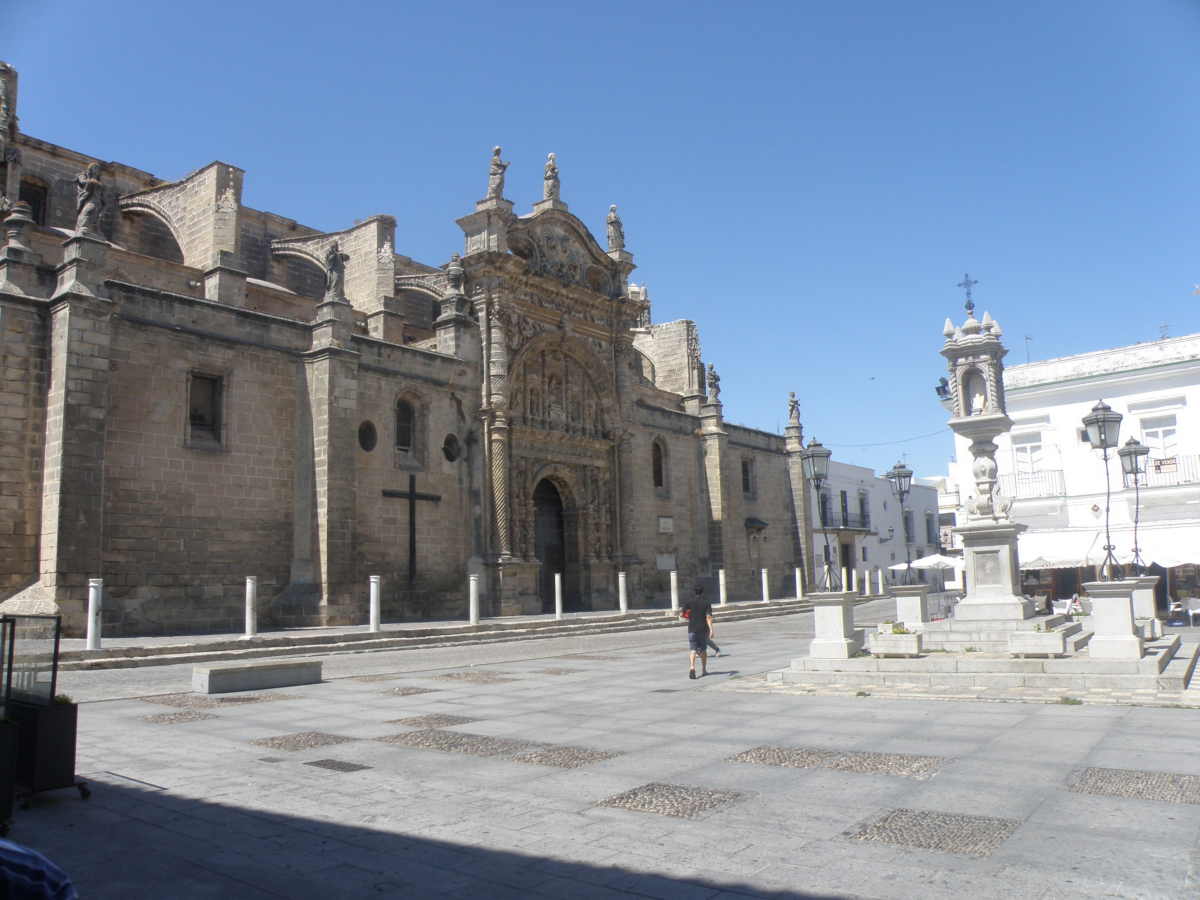
Plaza de España is a central urban space surrounded by notable landmarks, including the Iglesia Mayor Prioral. The plaza is a hub of activity, featuring beautifully landscaped gardens, fountains, and traditional Andalusian architecture.
Iglesia Mayor (Cathedral)

The Iglesia Mayor Prioral, was constructed in the late 15th century, combining Gothic and Baroque styles. The church was built using sandstone from the nearby Sierra de San Cristóbal, which also supplied materials for Seville Cathedral. Its top features are two beautiful doors.
Galeras fountain
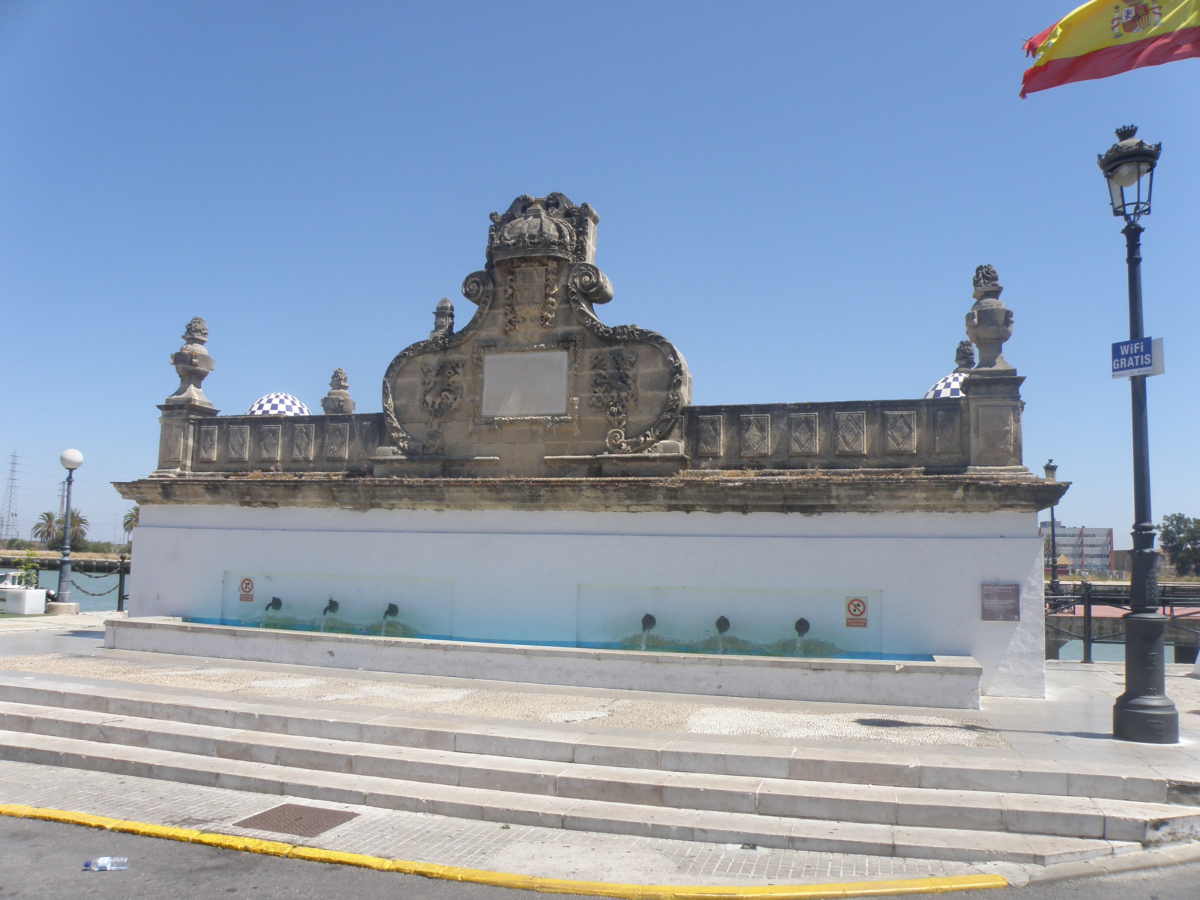
The Fuente de las Galeras was constructed to provide water to the Royal Galleys and to beautify the city. The fountain is situated in the Plaza de las Galeras, near the Guadalete River, making it a central point for both locals and tourists. Its design includes four spouts and intricate stonework, reflecting the architectural style of the period.
Ayuntamiento viejo
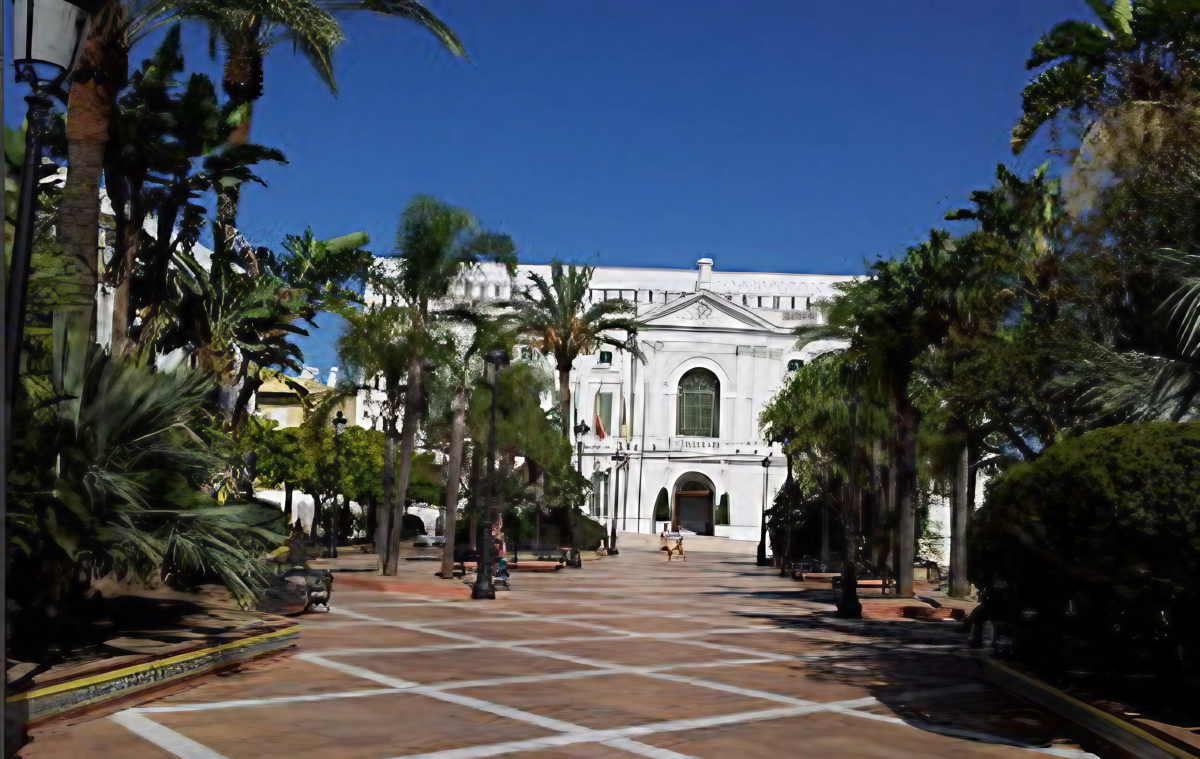
The Old Town Hall, was constructed in the 18th century, reflecting the Baroque style prevalent during that period. Today it serves to cultural events and exhibitions.
Romerijo
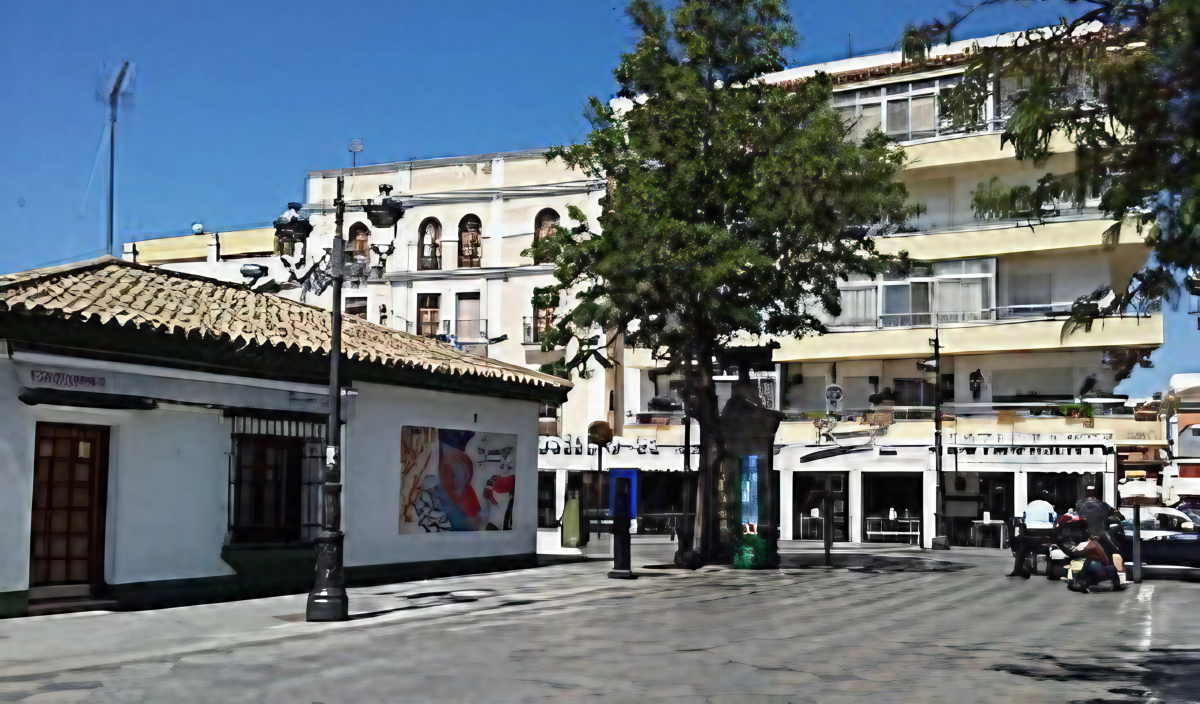
Yes, I know that Romerijo is just a restaurant! However, I also know that it is more than just a restaurant, it has become a local icon where everyone goes, in other words, the most visited local “monument”.
Herreria
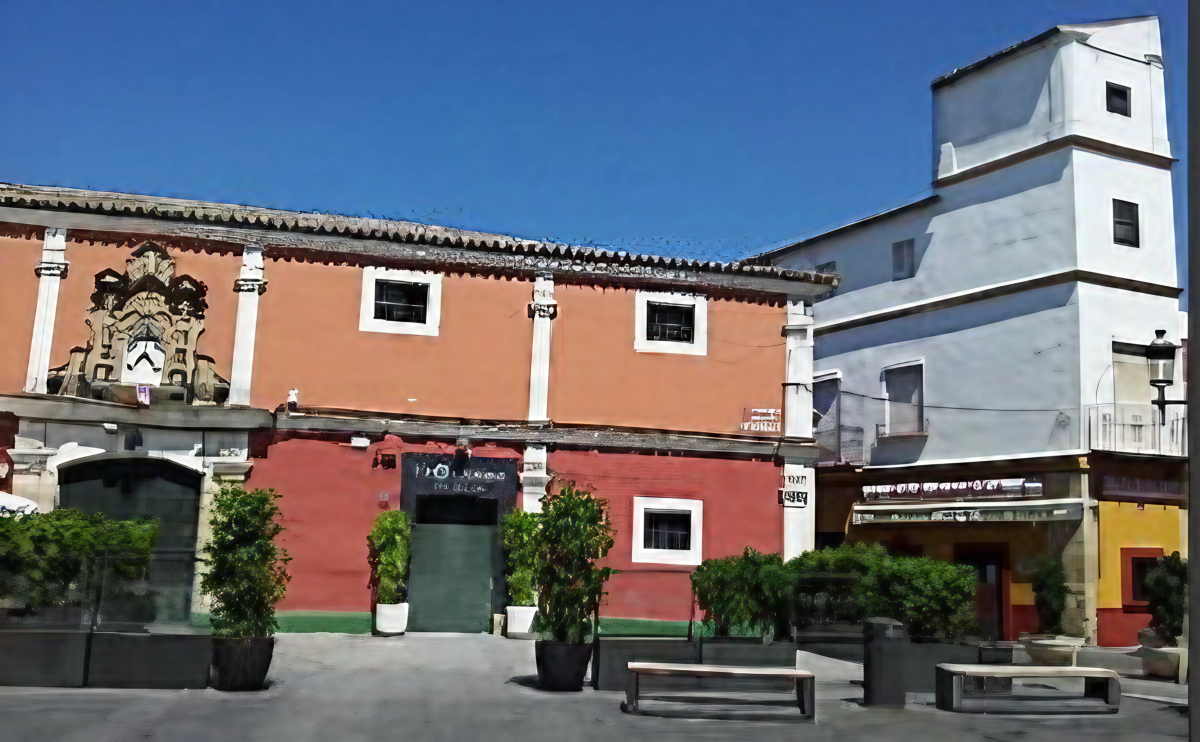
The most beautiful building in Herreria square, clearly a palace bearing its coat of arms, appears to have been intended for a use unusual for that type of building – a night club, called Trocadero. I only saw it during the day, but I promise, when I get back there without kids, I’ll go there and spend some time around a drink.
Lonja
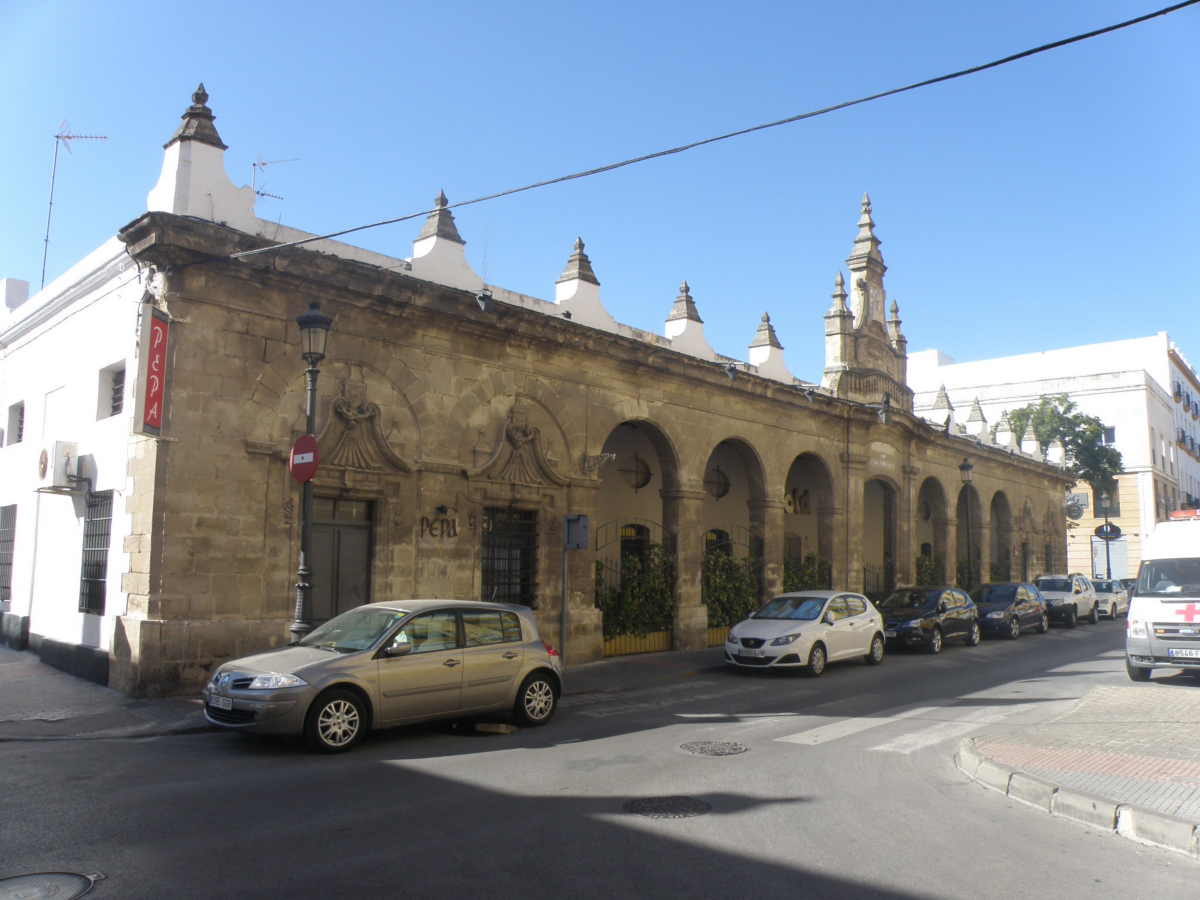
The Lonja of El Puerto de Santa María is a beautiful fish market known for its fresh seafood. Established to support the local fishing industry, it serves as a central hub where fishermen bring their daily catch. Such a routine is common in most fishing ports, which is not common in such a beautiful building.
Osborn caves
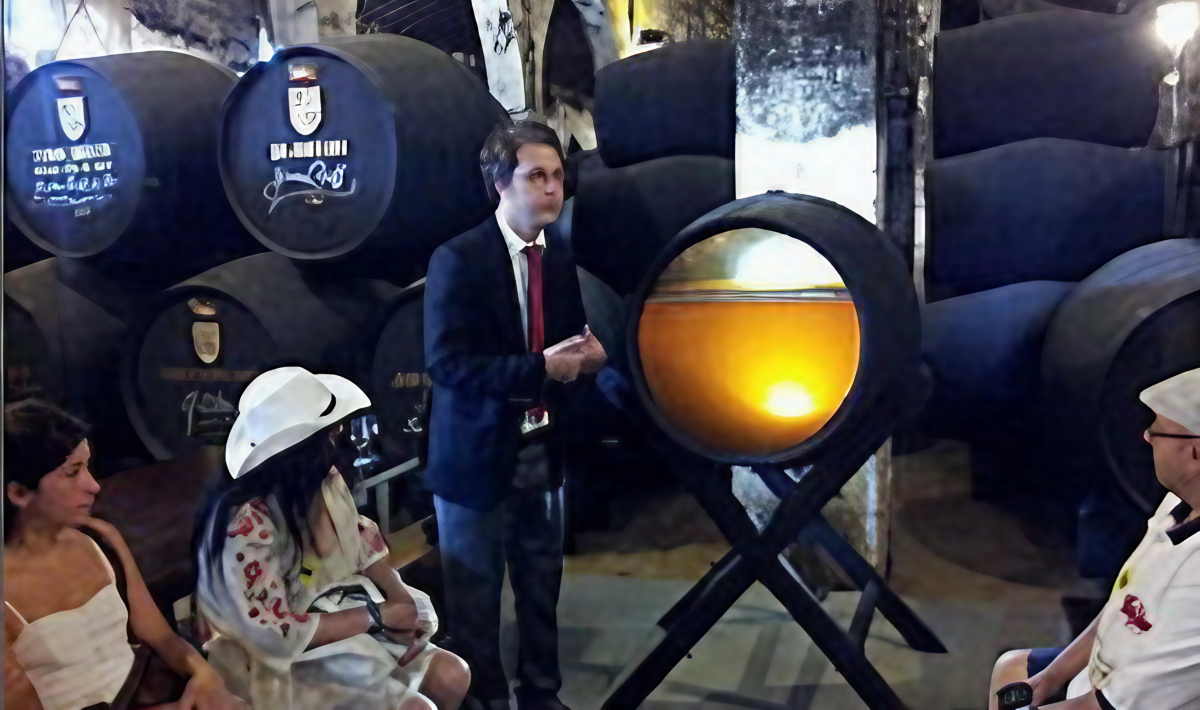
The Osborne Caves are part of the historic Osborne Winery, a renowned establishment in the Andalusian Sherry Triangle. These caves, or cellars, have been used for centuries to age and store sherry, brandy, and other wines. The cool, stable environment of the caves provides ideal conditions for the maturation process, contributing to the distinctive flavors of Osborne’s products. Visitors can explore these atmospheric cellars as part of guided tours, learning about the traditional methods of wine production and the rich history of the Osborne family business, which dates back over 200 years. At the end of the visit, as usual, the shop waits you.
Seafood
Tourist office
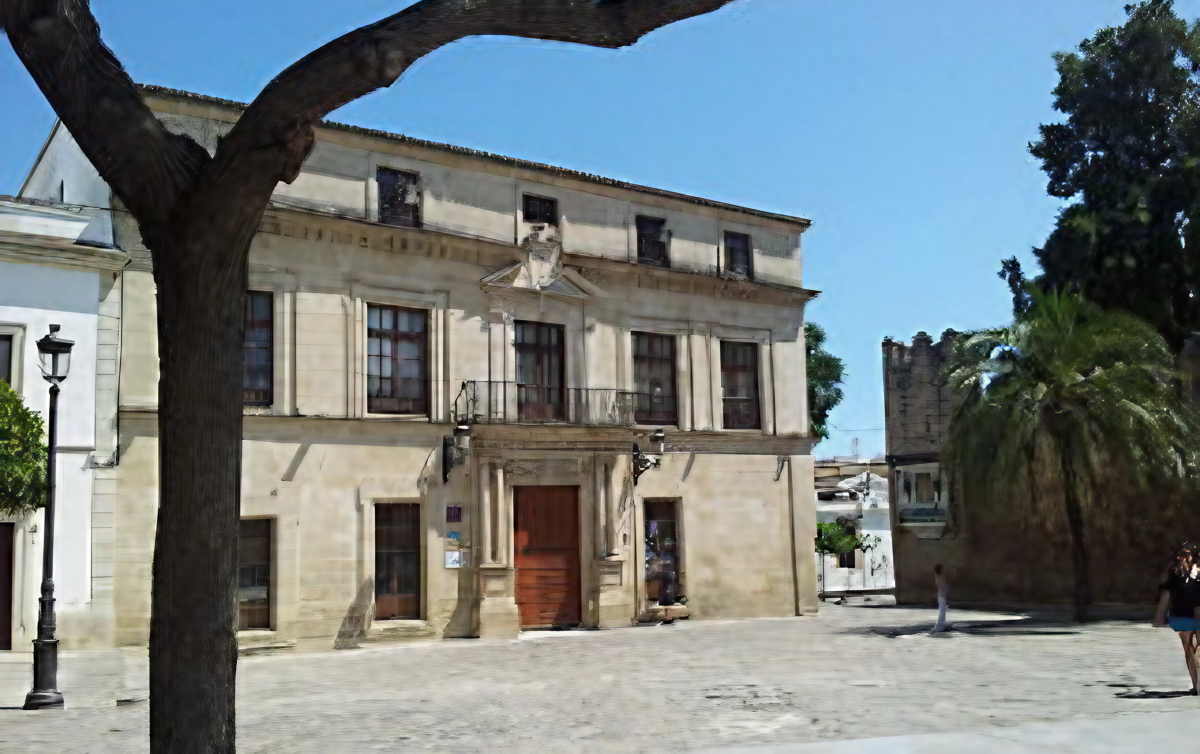
The Tourist Office is located in the historic Palacio de Araníbar, near the Castle of San Marcos. This office provides the usual information and documentation about town.
Palaces
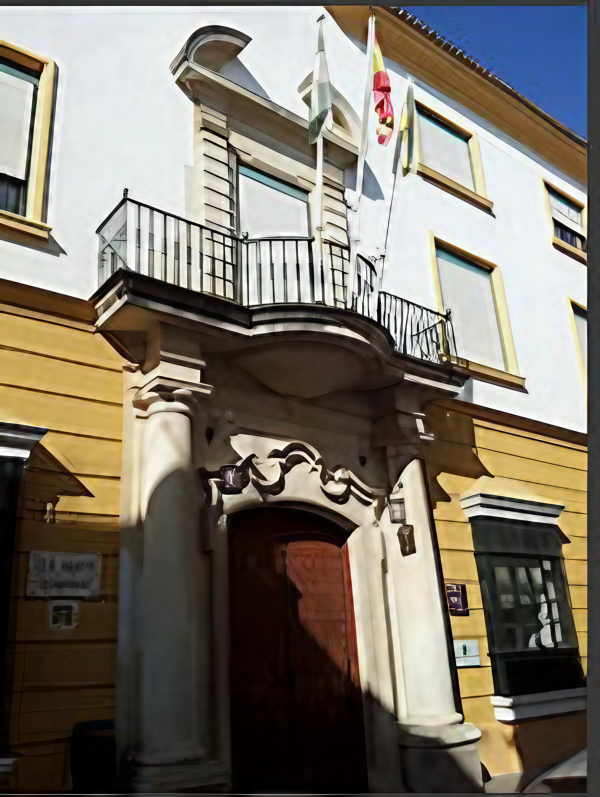
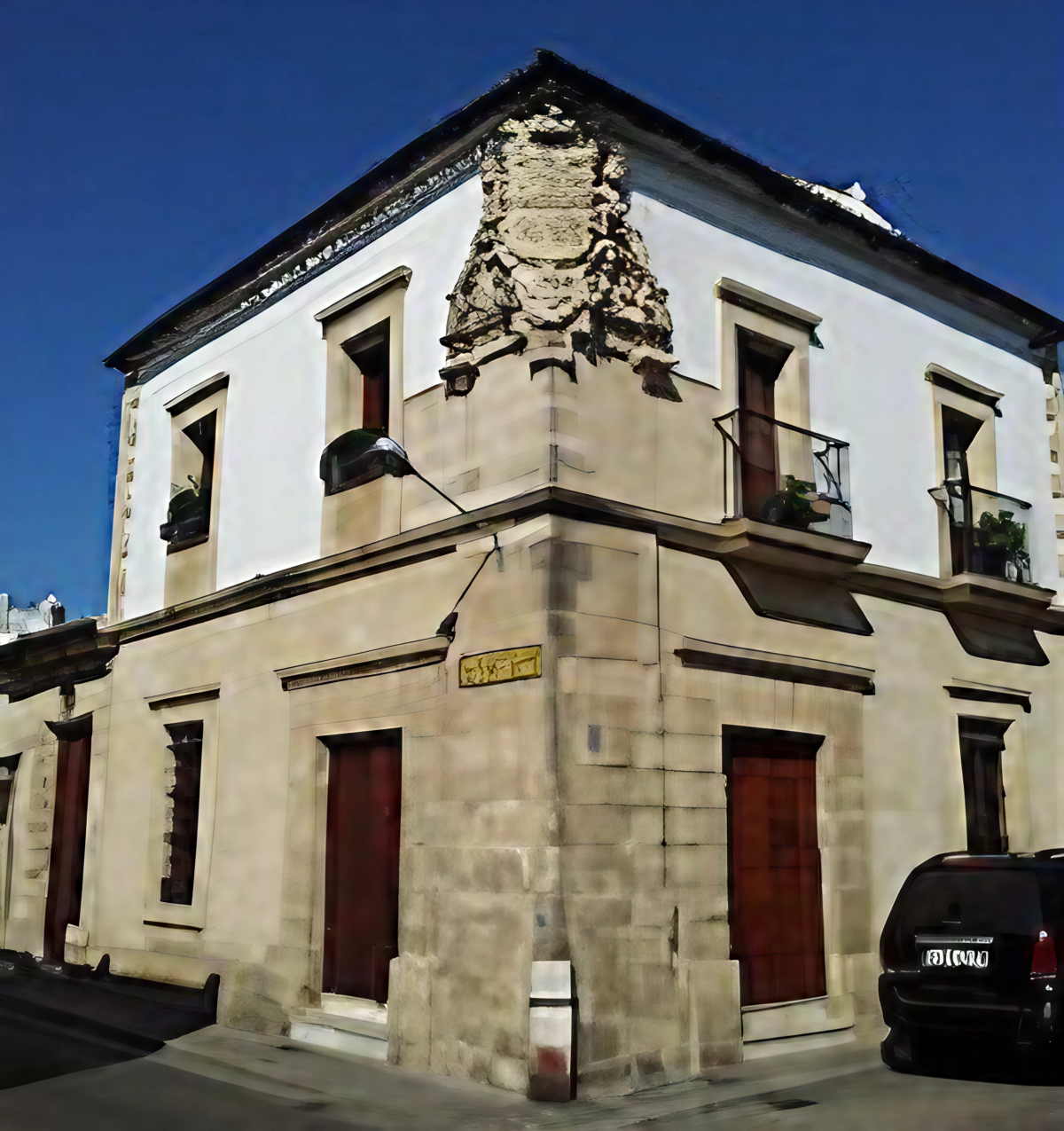
Although it is not exactly a monumental city, its rich history is revealed by several ancient and well-kept buildings. The volume away from the beaches is certainly tightly controlled, and the various palaces and mansions give the city character.
Strange building
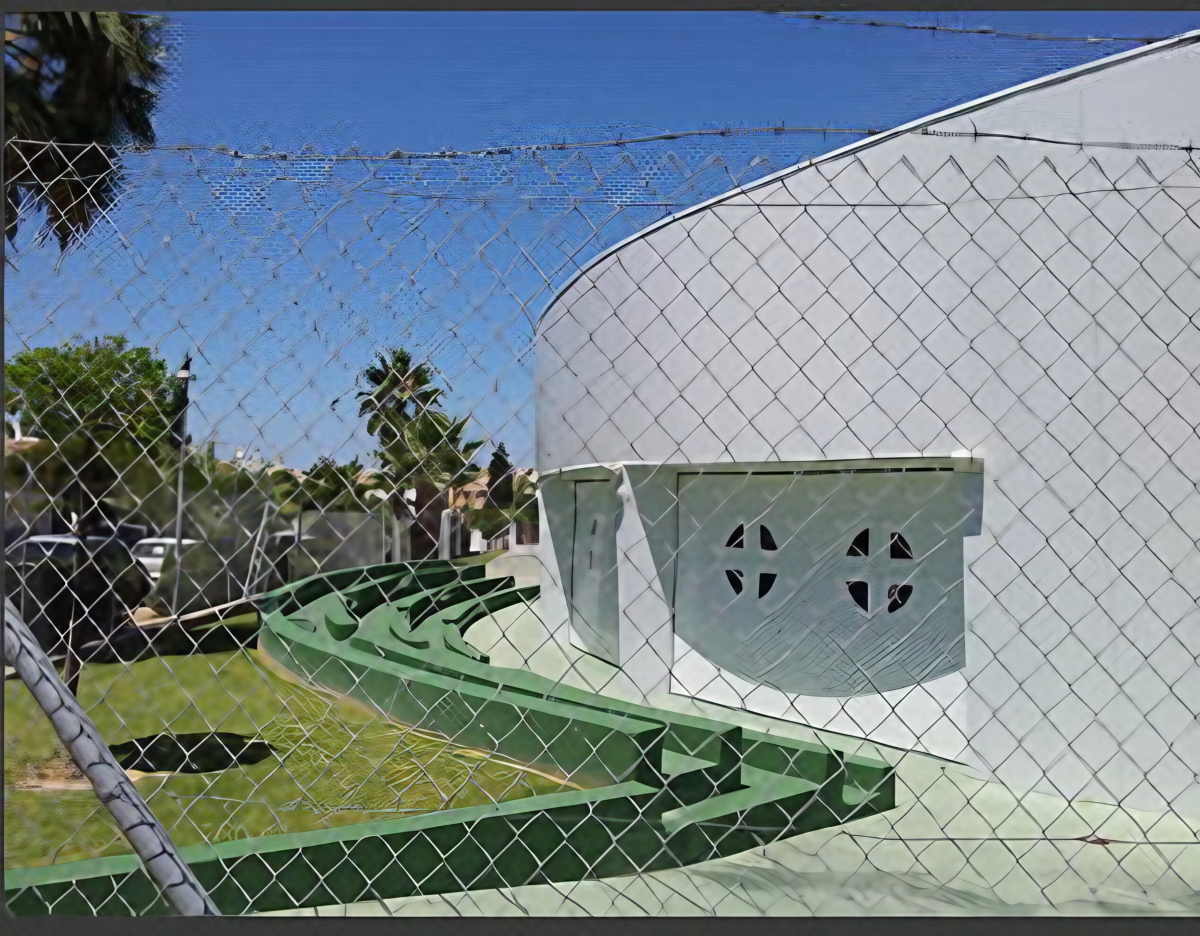
During our stay I passed this building several times, always closed, trying to understand whether it was a church or a cultural center. I couldn’t come to a conclusion, and research on the internet revealed to me that it was a house with modern architecture. I doubt! What I saw didn’t seem suitable for housing.
Museum

The Marquesa de Candia Palace, located in Puerto de Santa María, is a notable example of 18th-century Baroque architecture. Constructed in 1782, this palace was originally a private residence. It underwent significant renovations in the early 20th century when it was acquired by the Marquesa de Candia. Today, it houses the Municipal Museum, showcasing local paleontological finds and works by regional artists.
Alfonso X Cultural center

The Alfonso X Cultural Center, dating back to the early 20th century, showcases regionalist architecture with a distinctive facade featuring arched windows and iron railings. The center serves as a hub for cultural activities, housing exhibition halls, meeting rooms, and the Municipal Library. The library includes a children’s section, lending area, and a newspaper archive. The top floor offers study rooms and computer services. The center also displays a model of the Santa María ship and portraits of the Catholic Monarchs and Christopher Columbus, highlighting its historical significance.
Escravas
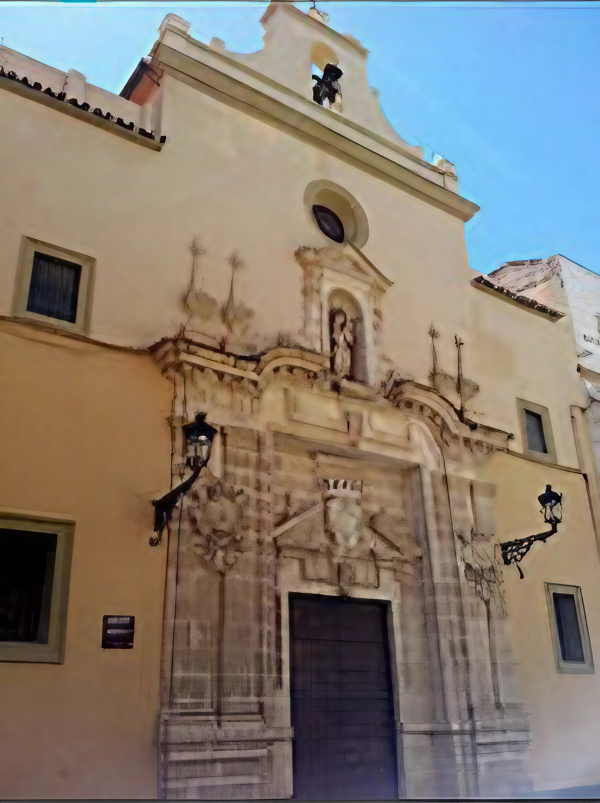
The Iglesia de las Esclavas del Sagrado Corazón is a notable church situated on Calle Luna, the most commercial of the city. It keeps being used to religious purposes but I always saw it closed.

Eat in El Puerto de Santa Maria – 2 fine places
El Puerto nights – 14 calm nights
El Puerto shops – 2 cool ideas
If you want to easily publish your own experiences, after registering you may use the form below. It will be added after revision. You may use text, photos till 20Mb or video. For a more complex publication click here.
Publishing form
You need to be logged in to view this page
Your trip will be perfect with the help of our partners
For a great experience:
For your safety:

For your comfort:
For cheap flights:
For local displacements:
 English
 Português