

Overview
Ceuta stands on the northern edge of Africa, facing the Strait of Gibraltar and shaped by centuries of cultural exchange between Europe and the Maghreb. The city blends Spanish identity with Mediterranean and North African influences, creating an atmosphere that feels both familiar and distinct. Its waterfront, fortifications and lively streets reflect a long history of strategic importance, while the surrounding hills and coastline reveal bright waters and rugged terrain. Ceuta is compact, energetic and multicultural, a place where sea routes, traditions and diverse communities meet.
Best time to visit
The best time to visit Ceuta is between April and October, when warm temperatures and clear skies make the coastline ideal for swimming, walking and exploring. Spring brings mild weather and fresh colors across the hills. Summer offers long, bright days and lively seaside activity. Early autumn provides warm seas and softer light, creating a relaxed atmosphere. Winter is gentle and suited for quiet exploration of the city’s historical sites and promenades.
Getting around
Ceuta is easy to explore on foot, with its central streets, waterfront and main monuments all within comfortable walking distance. For reaching viewpoints, beaches or the surrounding hills, local transport or a car is convenient, offering flexibility and access to coastal roads. Movement reflects the city’s blend of urban life and maritime surroundings, shaped by both Spanish culture and its unique geographic position.
Safety and local etiquette
Ceuta is generally safe and welcoming, with a friendly atmosphere typical of southern Spain. Normal precautions are recommended, especially around busy port areas. Respect for local customs, religious diversity and historical sites is appreciated, as the city values its multicultural identity and quiet rhythm. Visitors are encouraged to greet locals politely and to embrace the relaxed pace of Mediterranean life.
Food and water
The cuisine of Ceuta reflects the flavors of Andalusia and North Africa, with dishes rooted in fresh fish, seafood, spices and traditional recipes. Restaurants serve specialties such as fried fish, couscous, stews and tapas that highlight regional ingredients. The gastronomy is flavorful and generous, celebrating both coastal and cultural influences. Drinking water is safe throughout the city. Meals tend to be convivial and relaxed, matching the warm and welcoming spirit of the region.
Day Trips and Excursions
- Tetouan (Morocco) – Historic city known for its UNESCO-listed medina, traditional markets, and rich cultural heritage.
- Algeciras – Major Andalusian port city and gateway between Europe and Africa.
- Tarifa – Europe’s southernmost town, renowned for its beaches, windsurfing, and views towards Africa.
- Gibraltar – British Overseas Territory famous for the Rock of Gibraltar and its unique cultural blend.
- Castellar de la Frontera – Beautiful white village built around a medieval castle.
- Los Alcornocales Natural Park – Vast protected area known for cork oak forests, wildlife, and hiking opportunities.
These excursions complement a visit to Ceuta with a blend of Spanish and Moroccan culture, history, nature, and some of the most fascinating destinations around the Strait of Gibraltar.
Essence of Ceuta
The essence of Ceuta lies in its harmony between coastal scenery, cultural diversity and historical depth. Waves reach bright shores, fortifications rise above the water and the city’s streets reflect centuries of exchange. It is a place where movement feels constant yet grounded, where traditions remain alive and where the pace of life encourages openness. Ceuta embodies the spirited soul of the Strait of Gibraltar — multicultural, maritime and quietly distinctive.
Highlights in Ceuta:
- Royal Walls of Ceuta (Murallas Reales) – Impressive fortified complex surrounded by a navigable moat.
- Parque Marítimo del Mediterráneo – Beautiful leisure complex designed by César Manrique featuring saltwater pools and gardens.
- Mount Hacho – Historic promontory offering spectacular panoramic views over the Strait of Gibraltar.
- Casa de los Dragones – Iconic building famous for its distinctive dragon sculptures.
- Cathedral of the Assumption – Important religious monument reflecting centuries of local history.
- Arab Baths – Well-preserved medieval Islamic baths showcasing Ceuta’s multicultural past.
- Paseo del Revellín – Main avenue lined with shops, cafés, and modernist architecture.


- Autonomous City of Spain.
- Official language: Spanish.
- Currency: Euro (€).
- Credit and debit cards are widely accepted.
- Tap water is safe to drink.
- Located on the northern coast of Africa.
- Shares a land border with Morocco.
- Connected to mainland Spain by regular ferry services.
- Known for its multicultural heritage.
- Popular for history, shopping, and cultural tourism.
- Comfortable walking shoes are recommended.
Ceuta enjoys a Mediterranean climate with maritime influences, characterized by mild winters and warm summers.
- Spring (March-May) – Pleasant temperatures and excellent sightseeing conditions.
- Summer (June-August) – Warm weather moderated by sea breezes.
- Autumn (September-November) – Comfortable temperatures and clear skies.
- Winter (December-February) – Mild conditions with occasional rainfall.
The most popular period to visit is from March to June and September to November, when conditions are ideal for exploring the historic monuments, enjoying waterfront promenades, discovering the city’s multicultural heritage, and experiencing the unique atmosphere that makes Ceuta one of Spain’s most unusual and fascinating destinations.
Today:
🌐 Regional connection
This city is part of the Spain in Africa Cluster, a curated region that connects northern coastal towns in Africa, belonging to Spain.

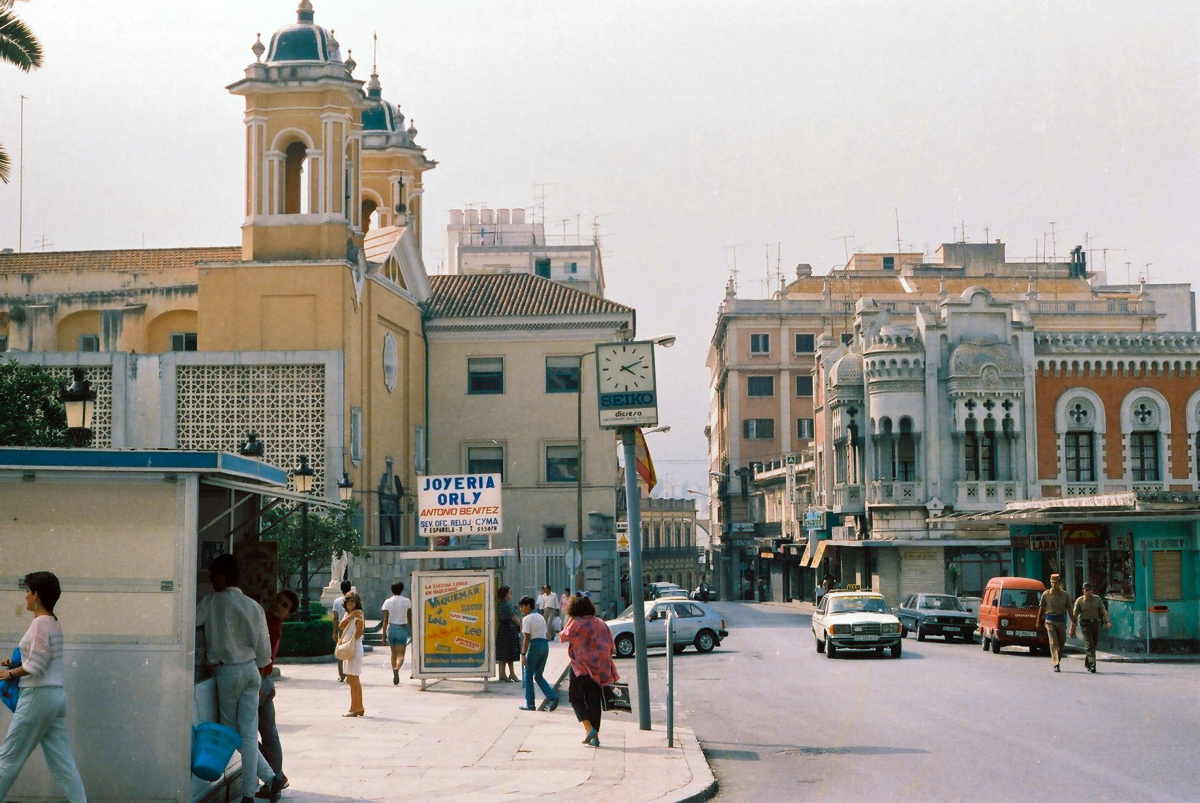
The best of Ceuta – Europe in Africa
Once a popular destination for the Portuguese (and other) to take advantage of tax free, with the integration in the European Union, the city has lost much of its charm. It is still interesting the mix of a European people and organization with their neighbors from Morocco.
The historic signs of colonization provide an interesting tour and, if you search for strong sensations, just cross the border to Morocco. If you are as “lucky” as I was, you will have something to remember – my adventure in the border, that I describe in my Morocco page, remains in my memory as the best of Ceuta highlights.
Cathedral
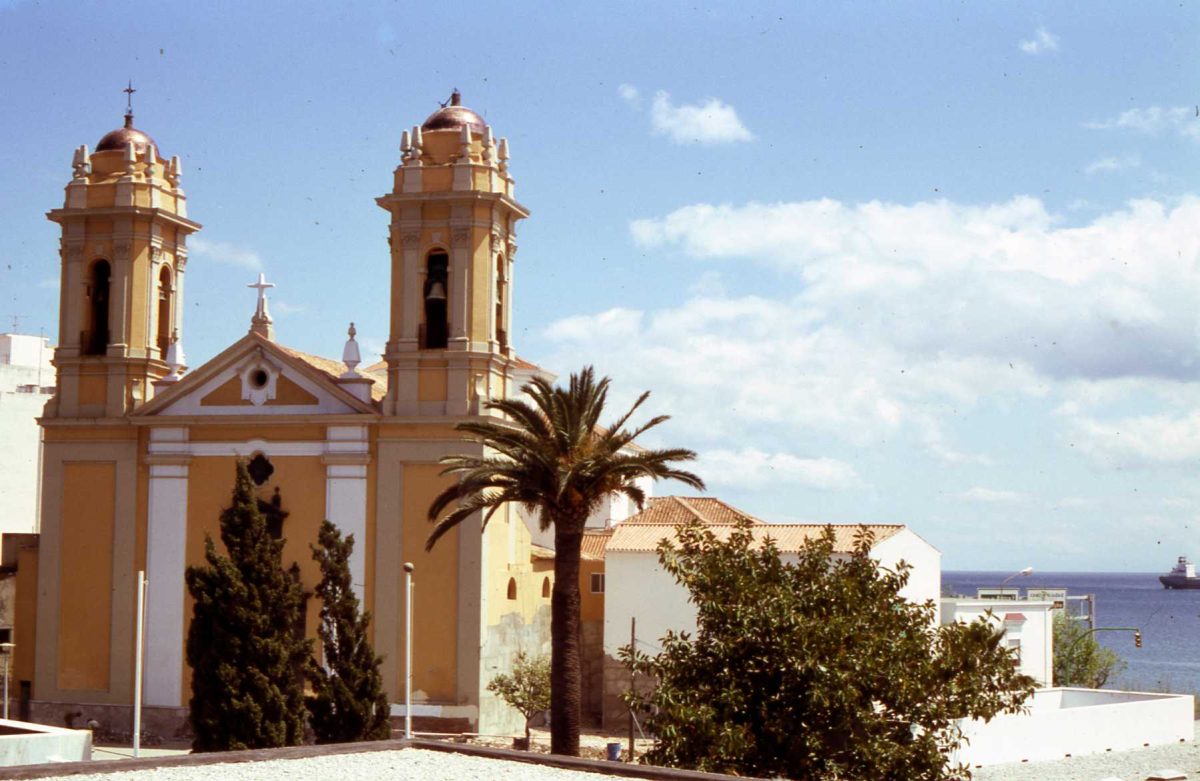
Initially a mosque, and later a Portuguese church, the several wars destroyed the building, that was reconstructed in the 17th century with Spanish architecture.
Inside, the most significant are a Baroque chapel, some frescoes, and a Portuguese image of the Holy Virgin.
Hacho Castle
The highest point in Ceuta was occupied by an old castle, formerly byzantine, reconstructed by the Portuguese.
The actual building is Spanish, built in the 18th and 19th century, and it is mainly a sightseeing point.

Sleeping in Ceuta – excellent 1st stay
If you want to easily publish your own experiences, after registering you may use the form below. It will be added after revision. You may use text, photos till 20Mb or video. For a more complex publication click here.
Publishing form
You need to be logged in to view this page
Your trip will be perfect with the help of our partners
For a great experience:
For your safety:

For your comfort:
For cheap flights:
For local displacements:
 English
 Português