

´Overview
Almería is a sun‑drenched city on Spain’s southeast coast, known for its desert landscapes, medieval Alcazaba fortress, and long sandy beaches. With a mix of Moorish heritage, cinematic scenery, and a relaxed Andalusian rhythm, it offers an appealing blend of culture and coastline. The city is an excellent base for exploring the Cabo de Gata Natural Park, one of Europe’s most dramatic coastal areas.
Best Time to Visit
The best time to visit Almería is from April to June and September to October, when temperatures are warm but comfortable for sightseeing and beach days. July and August are extremely hot, typical of Spain’s desert region, but ideal for swimming and evenings outdoors. Winter is mild and sunny, perfect for exploring the Alcazaba and the natural park.
Getting Around
Almería is easy to explore on foot, especially the historic center, the cathedral area, and the waterfront. Local buses connect the main districts and the beaches. Renting a car is highly recommended if you plan to explore Cabo de Gata, hidden coves, or inland desert filming locations. Parking in the center can be limited, but coastal areas are easier.
Safety and Local Etiquette
Almería is safe and welcoming. The sun can be intense, so sunscreen and hydration are essential. Respect protected natural areas, especially in Cabo de Gata, where dunes and marine ecosystems are fragile. Locals appreciate politeness, calm behavior, and support for small businesses.
Food and Water
Almería’s cuisine highlights fresh fish, tapas culture, and regional specialties. Expect cherigan, migas, grilled seafood, and local produce. Tap water is safe to drink. Restaurants and tapas bars are concentrated around the historic center, the Rambla, and the waterfront.
Day Trips and Excursions
Almería is perfectly located for exploring southeastern Andalusia. Popular excursions include:
- Cabo de Gata Natural Park — volcanic cliffs, turquoise coves, and iconic beaches like Mónsul and Genoveses.
- San José — charming coastal village with cafés and beach access.
- Tabernas Desert — Europe’s only true desert, famous for Western film sets.
- Níjar — traditional crafts, whitewashed streets, and mountain scenery.
- Roquetas de Mar — long beaches and a lively resort atmosphere.
For longer trips, you can reach Mojácar, Vera, or Granada.
The essence of Almería
Almería is defined by sun, desert, and sea — a place where Moorish walls rise above golden light and volcanic cliffs meet the Mediterranean. Its rhythm is slow, warm, and cinematic, shaped by centuries of history and the vast landscapes surrounding it. The essence of Almería lies in its contrasts: fortress and coastline, desert silence and lively tapas streets, making it one of Spain’s most distinctive coastal cities.
Highlights in Almeria:
The city has a rich history, dating back to the 10th century, and the actual top attractions are the Alcazaba, a fortified Moorish palace that overlooks the city, and the cathedral, built as both a place of worship and a fortress, showcases unique architecture.
the Arab Aljibes are ancient cisterns that highlight the city’s Islamic heritage, while the Paseo Marítimo provides a scenic waterfront promenade.
Nearby, Roquetas de Mar and Aguadulce are good beaches, backed by the wild landscape of the most desertic area of Spain.


- The historic center and waterfront are easy to explore on foot.
- The Alcazaba is one of the largest Moorish fortresses in Spain.
- Cabo de Gata-Níjar Natural Park is located a short drive from the city.
- Tap water is safe to drink.
- Local restaurants specialize in seafood, tapas, and traditional Andalusian cuisine.
- A car is recommended for exploring the coast, natural parks, and desert landscapes.
- Almería is one of the sunniest cities in Europe.
- Several beaches are located within or near the city.
- The city is calm and safe; normal precautions are sufficient.
- Credit and debit cards are widely accepted.
- The official currency is the Euro (€).
Sun protection and hydration are strongly recommended throughout much of the year
Almería enjoys a semi-arid Mediterranean climate, making it one of the driest and sunniest cities in Europe.
- Spring (March to May) — warm temperatures and ideal conditions for sightseeing and outdoor activities.
- Summer (June to August) — hot and sunny, with temperatures typically ranging between 28°C and 36°C.
- Autumn (September to November) — pleasant weather, warm sea temperatures, and fewer visitors.
- Winter (December to February) — mild temperatures, generally between 10°C and 20°C, with abundant sunshine.
The most popular period to visit is from March to November, although the city attracts visitors throughout the year thanks to its exceptional climate.
Today:
🌐 Regional connection
This town is part of the Andalusia Cluster, a curated region that showcases whitewashed villages, historic cities, Atlantic and Mediterranean coastlines, and the rich cultural heritage that defines southern Spain.

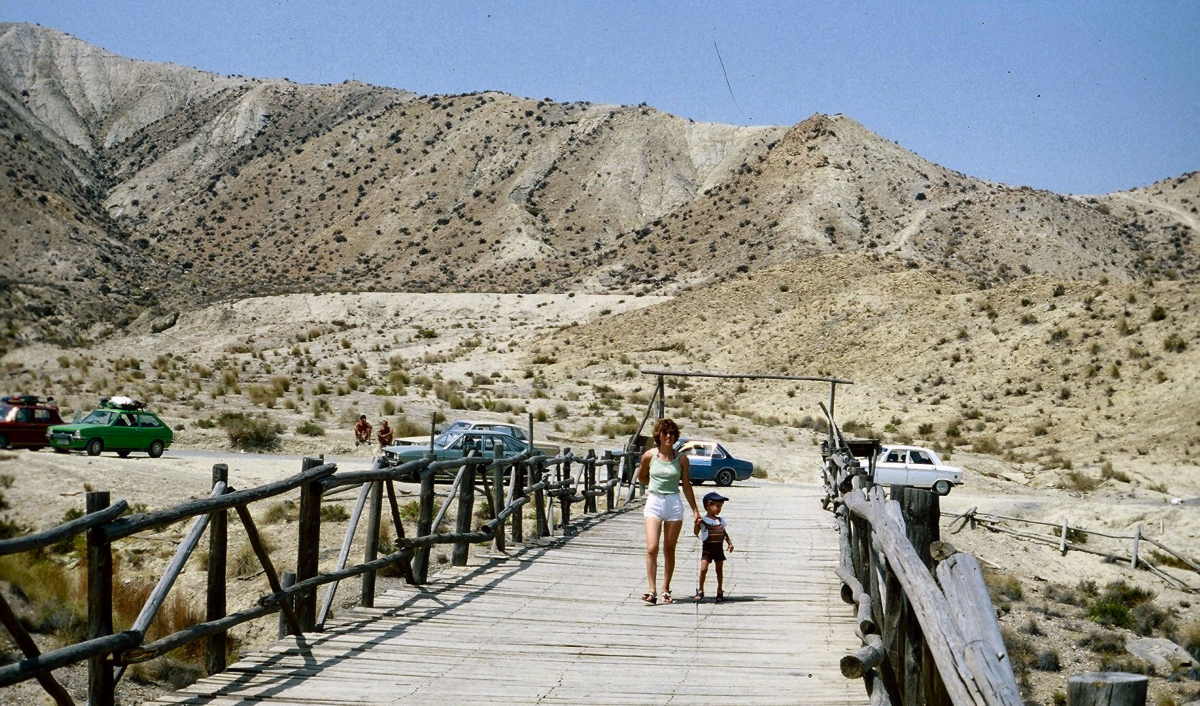
Visiting Almeria
I’ve been in Almeria twice: the first one I was impressed by the yellow dry look of its desert landscape. The second one it was still the yellow, but the plastic of the endless greenhouses.
Anyway, Almeria is the most desert area of Spain, where agriculture is almost a miracle, and the coast tries to resist against the general spreading of touristy resorts.
Well, there was a third time – I had holidays in Roquetas de Mar, so “Almeria, I am coming…”
Wild coast
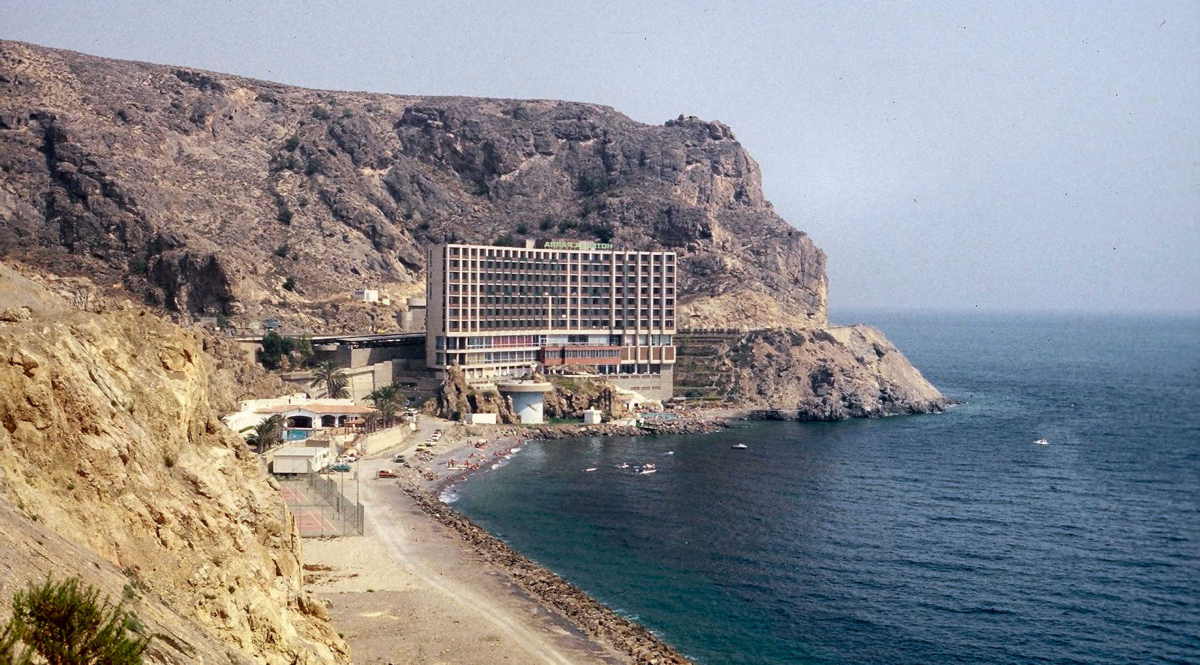
I passed in this coast about thirty years ago, and was surprised by the wild look of its coast.
I was there again 15 years later, and, though some new resorts the sensation was the same, only with the new look of thousands of green-houses.
In my recent third look, things didn’t change much, despite some controversial buildings here and there.
Castle
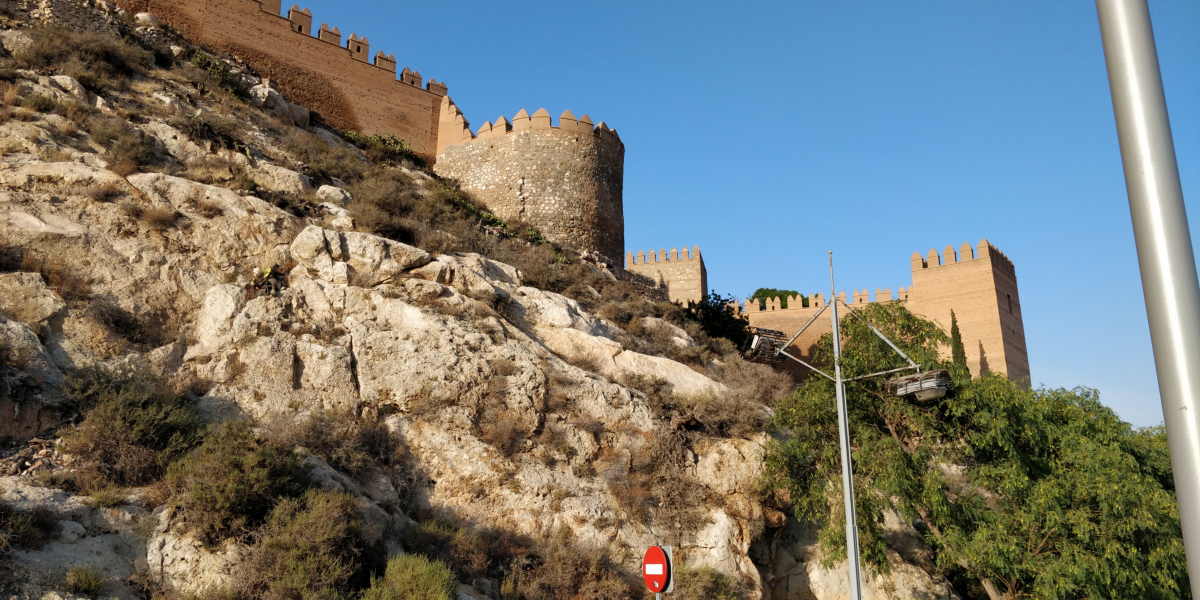
Perched on a hill overlooking the city, this fortress was built in the 10th century during the Islamic rule of Al-Andalus. It served as a defensive stronghold and a royal residence, showcasing remarkable Moorish architecture with its intricate walls, towers, and courtyards.
The castle is divided into three distinct sections: the first, an open space used for military purposes; the second, a residential area with remnants of palaces and gardens; and the third, a later addition built after the Christian reconquest in 1489.
It is today one of the largest and best-preserved fortresses in Spain.
Cathedral
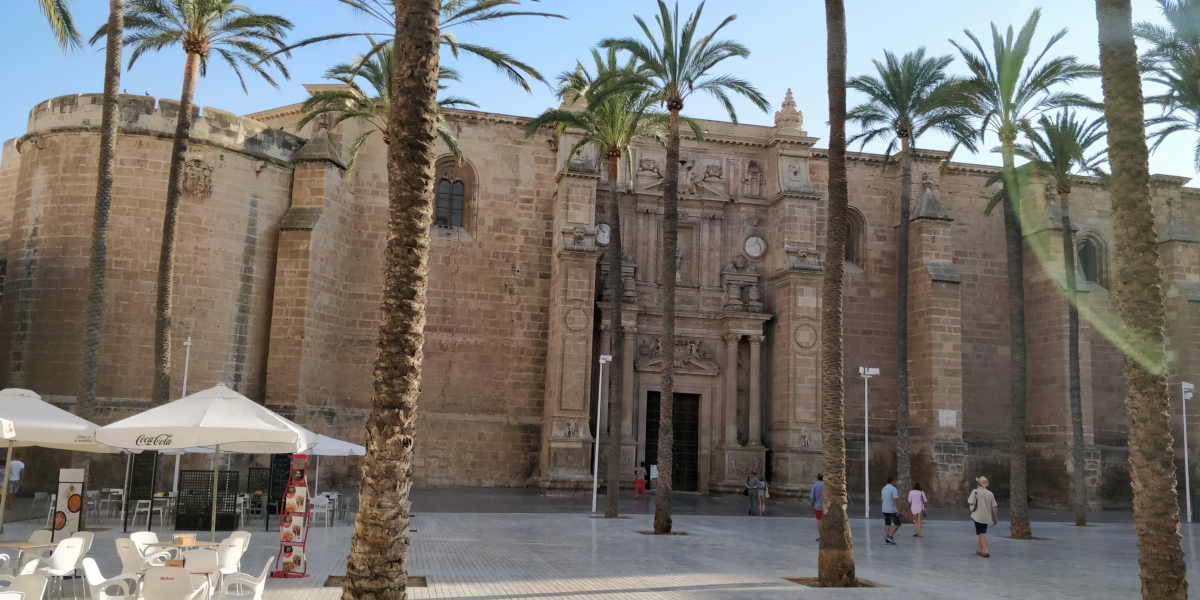
The Cathedral is a unique and impressive architectural landmark. Built between the 16th and 18th centuries. It combines Gothic and Renaissance styles, while also serving as a fortress, reflecting the tumultuous history of the region. Its dual purpose arose from the need to protect the city from pirate raids along the Mediterranean coast.
The cathedral’s exterior is fortified, with imposing walls and corner towers, resembling a defensive structure. Inside, however, the focus shifts to artistry and devotion. The interior is adorned with intricate stonework, magnificent altarpieces, and a blend of Gothic and Baroque elements, showcasing the craftsmanship of its era.
San Sebastian
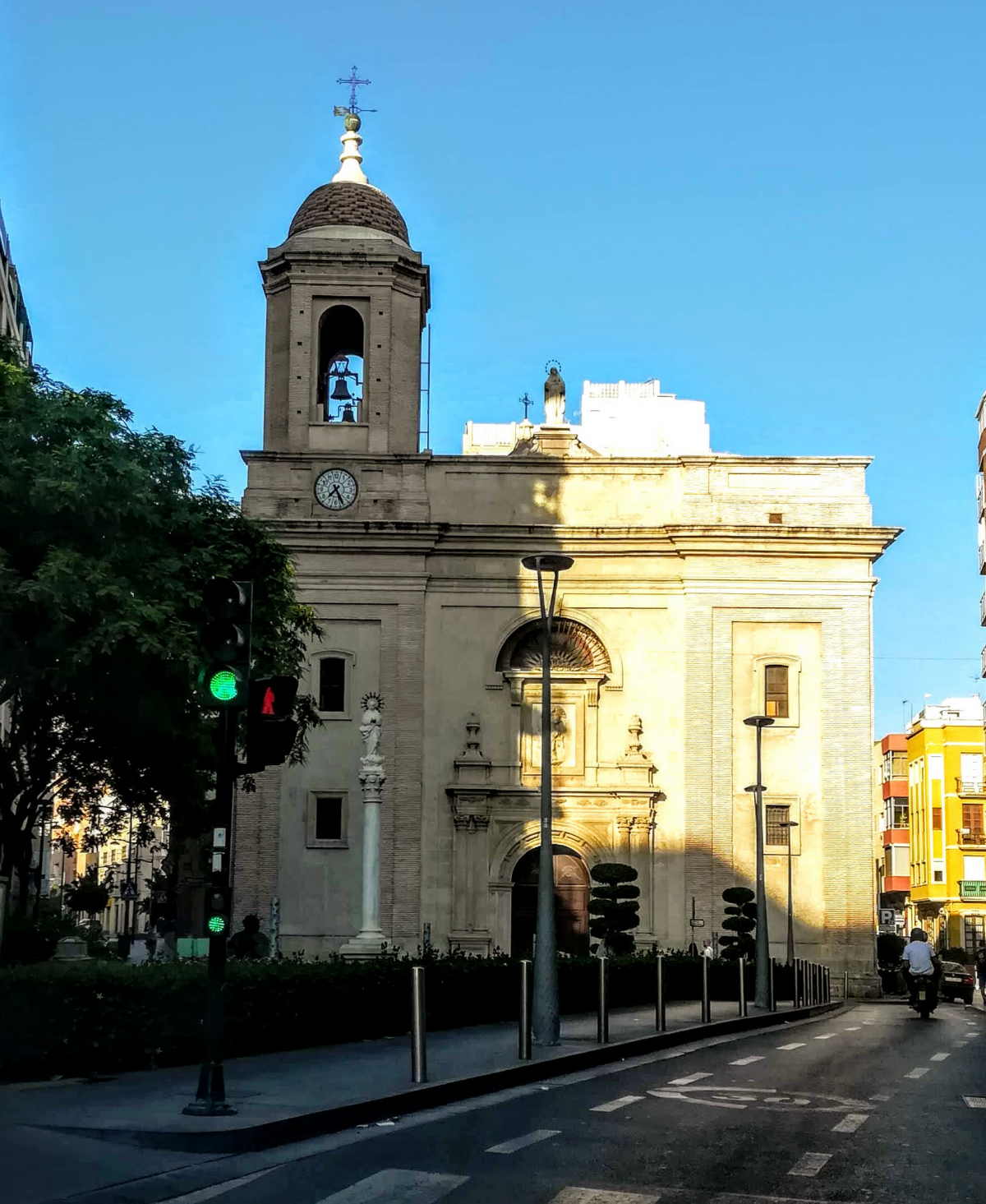
San Sebastian Church dates back to the 17th century and holds a special place in Almería’s religious and architectural heritage. The church was constructed following the Christian reconquest and serves as a symbol of faith and resilience within the community.
The architectural style of San Sebastian Church is modest yet elegant, showcasing a harmonious blend of Baroque and traditional Andalusian influences.
San Pedro
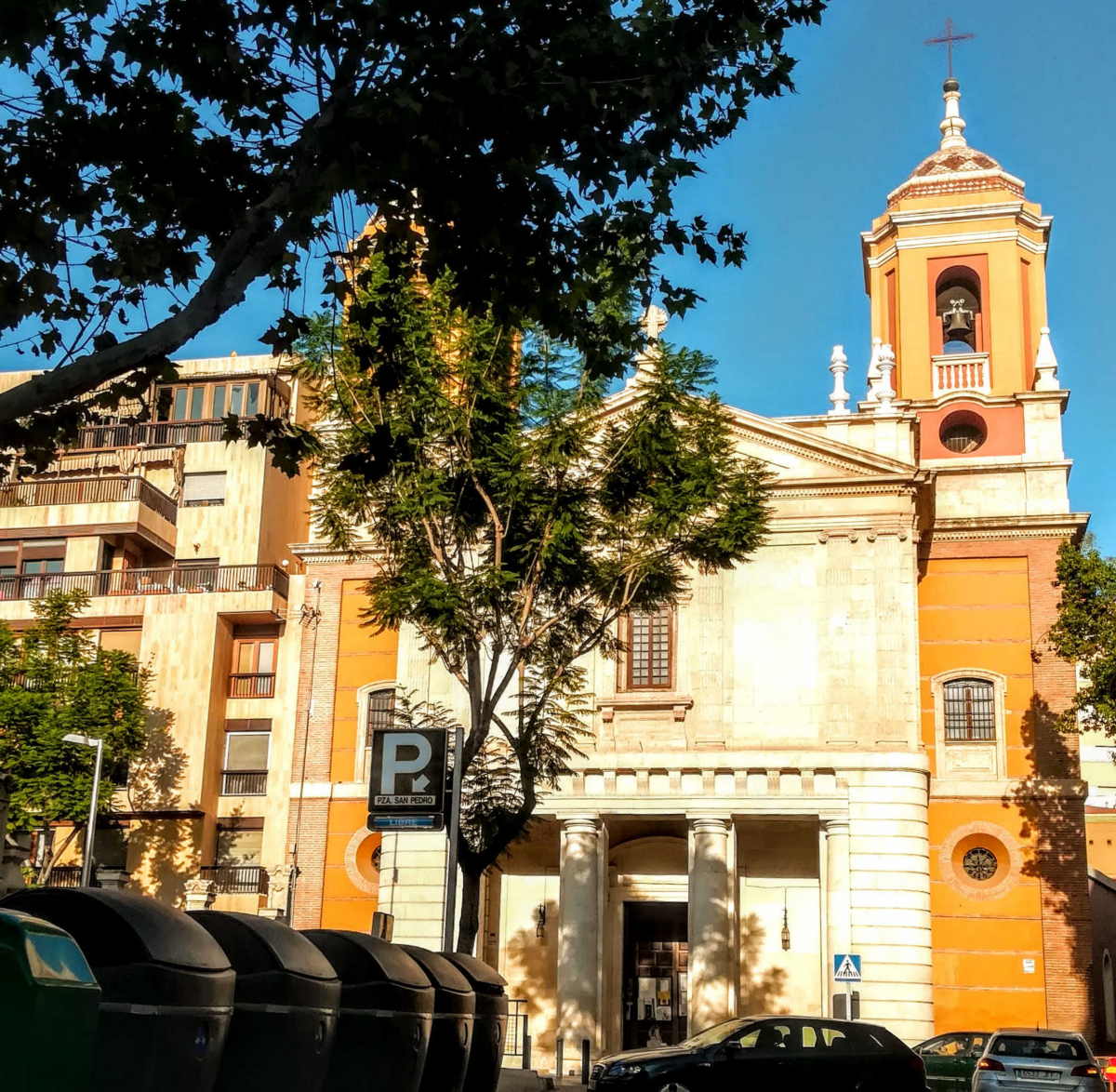
San Pedro Church is a significant landmark blending history and spirituality. Dating back to the 17th century, the church was constructed during the Christian reconquest, serving as an important religious and cultural hub for the local community. Its architecture reflects Baroque influences, combined with traditional Andalusian elements.
Casa de las Mariposas
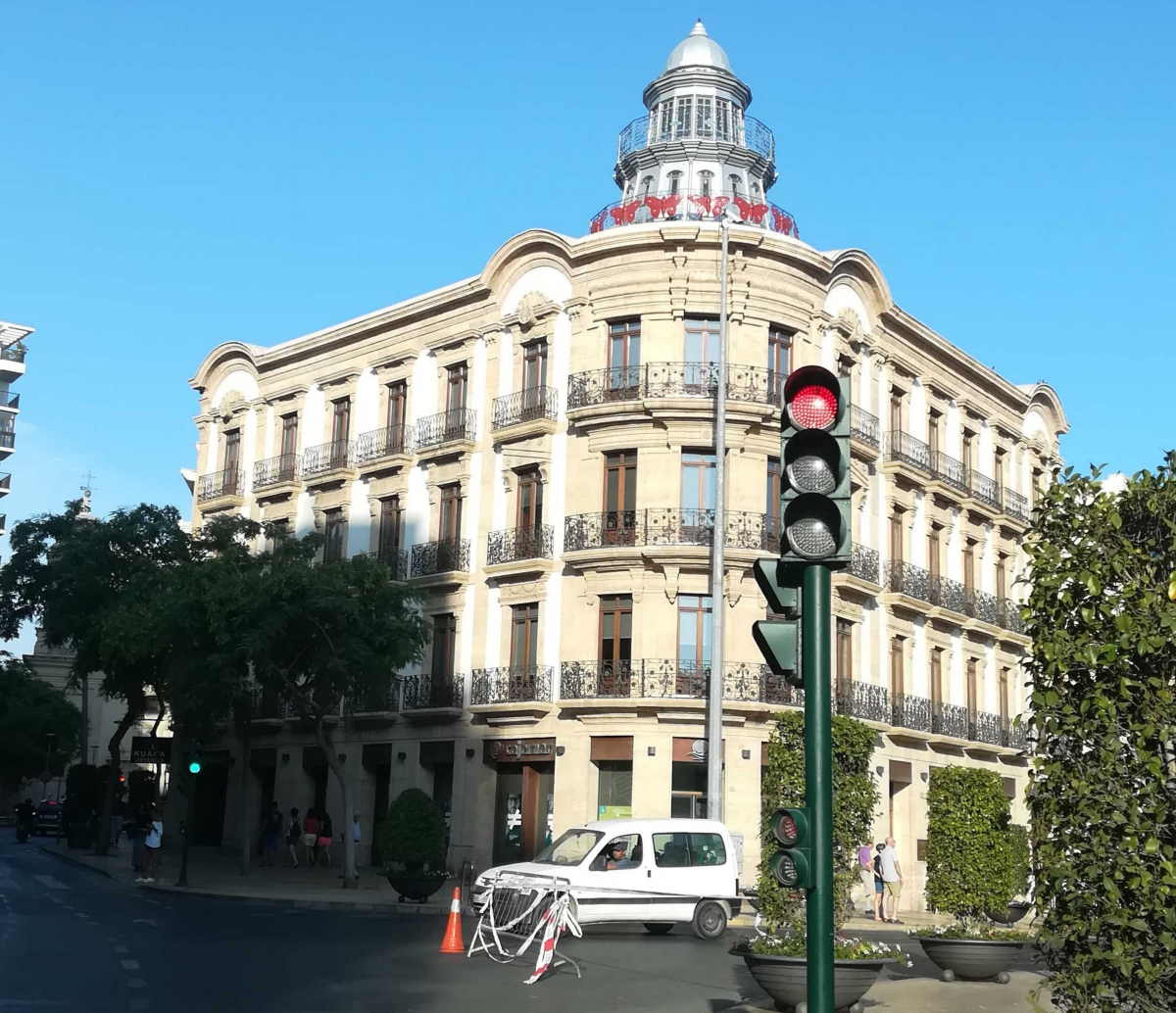
The Casa de las Mariposas (House of Butterflies), is an iconic building in Almería, Spain, celebrated for its architectural and historical significance. Constructed in the early 20th century, the building reflects the prosperity of the local bourgeoisie during a period of economic growth driven by mining and trade.
The structure is a fine example of modernist architecture, featuring intricate decorative elements, including butterfly motifs that give the building its name.
Texas Hollywood
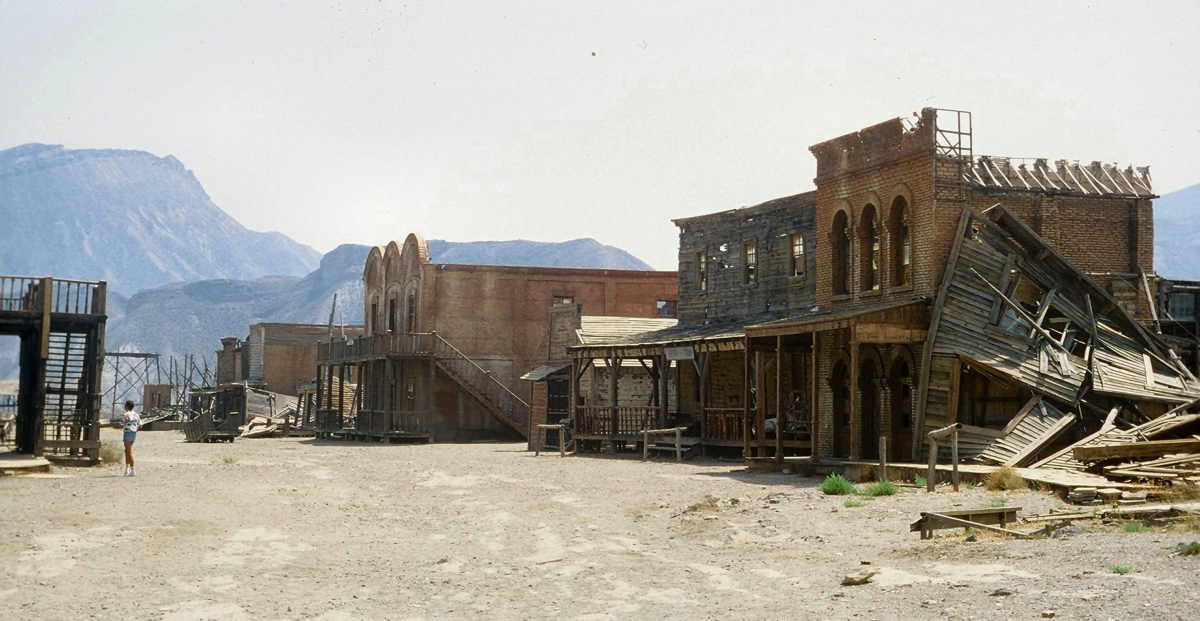
Many westerns were made in Spain, with a landscape similar to the USA and better weather.
The remains are used as a theme park, allowing a break while crossing the wild area to Tabernas.
Website: Fort Bravo
Beaches
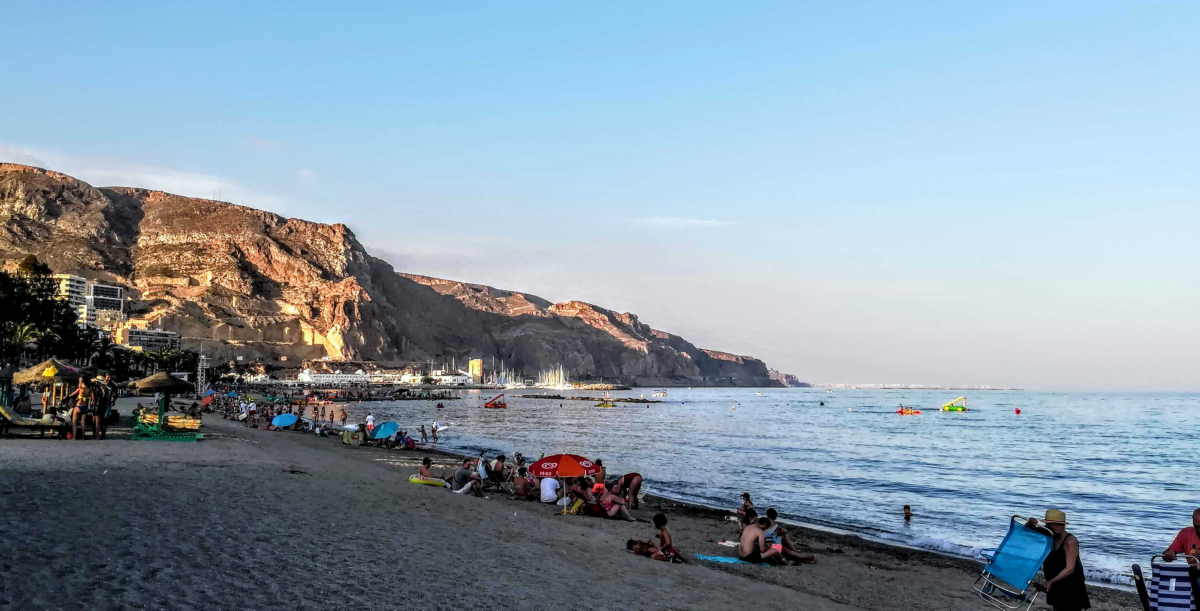
This is far from being the best beach area of southern Spain, but there are two good exceptions – Aguadulce and Roquetas de Mar, where I spent a week with pleasure.
If you want to easily publish your own experiences, after registering you may use the form below. It will be added after revision. You may use text, photos till 20Mb or video. For a more complex publication click here.
Publishing form
You need to be logged in to view this page
Your trip will be perfect with the help of our partners
For a great experience:
For your safety:

For your comfort:
For cheap flights:
For local displacements:
 English
 Português