

Overview
Pombal is a municipality in central Portugal, located north of Leiria, often crossed by travelers without being explored. Yet the town deserves a proper visit, not only for its historical heritage but also for its well‑known regional gastronomy, especially the famous tomato rice that attracts many visitors. The medieval castle dominates the landscape, while the town center preserves religious, civic, and architectural landmarks that reflect centuries of local history.
Best Time to Visit
The most pleasant months to visit Pombal are April to October, when the weather is mild and ideal for walking through the historic center or exploring the surrounding countryside. Summer is warm and lively, while spring and autumn offer quieter days and comfortable temperatures.
Getting Around
Pombal is easy to explore on foot, especially the area around the castle and the town center. Parking can be limited on market days, but generally the town is accessible and straightforward to navigate. To explore the wider region — including Leiria, Figueira da Foz, or the Sicó mountains — a car is the most practical option.
Safety and Local Etiquette
Pombal is a peaceful and safe town. Locals appreciate politeness and calm behavior. As in most Portuguese towns, greeting people and respecting queues are simple gestures that go a long way. When visiting the castle or natural areas, staying on marked paths is recommended.
Food and Water
Tap water is safe and excellent. Pombal is strongly associated with regional cuisine, and many visitors stop specifically to enjoy tomato rice or a meal at the well‑known Manjar do Marquês. Traditional Portuguese dishes, grilled meats, and local sweets are widely available in town.
Day Trips and Excursions

- Leiria – Dynamic regional capital featuring a hilltop castle, attractive historic centre, and vibrant cultural scene.
- Batalha – Home to the magnificent UNESCO-listed Monastery of Batalha, one of Portugal’s finest Gothic monuments.
- Figueira da Foz – Popular seaside destination known for its extensive beaches, marina, and Atlantic atmosphere.
- Coimbra – Historic university city famous for its UNESCO-listed university and rich cultural heritage.
- Ansião – Charming inland town offering rural landscapes, traditional villages, and easy access to nature.
- Conímbriga – One of Portugal’s most impressive Roman archaeological sites, featuring exceptional mosaics and ancient ruins.
- Montemor-o-Velho – One of Portugal’s largest medieval fortresses, overlooking the fertile Mondego Valley.
These excursions complement a visit to Pombal with a blend of history, culture, archaeology, coastline, and some of Central Portugal’s most iconic attractions.
Essence of Pombal
Pombal is a town that many travelers pass without noticing, yet it offers a rewarding mix of history, gastronomy, and quiet rural charm. From its medieval castle to its traditional cuisine and the natural beauty of the Sicó region, Pombal is a simple but memorable stop in central Portugal.
Highlights in Pombal
- Marquis of Pombal Heritage – Numerous monuments and landmarks connected to the statesman who shaped the city’s history.
- Pombal Castle – Impressive medieval fortress offering panoramic views over the city and surrounding countryside.
- Marquis of Pombal Museum – Cultural space dedicated to one of Portugal’s most influential historical figures.
- Historic Centre – Traditional streets, churches, and squares reflecting centuries of local history.
- Church of Nossa Senhora do Cardal – One of the city’s most important religious landmarks.
- Pombal Municipal Theatre – Cultural venue hosting performances and events throughout the year.
- Rio Arunca Riverside Area – Pleasant green spaces ideal for walking and relaxation.


- Located in the Leiria District, Central Portugal.
- Portuguese is the official language.
- Currency: Euro (€).
- Credit and debit cards are widely accepted.
- Tap water is safe to drink.
- Situated between Coimbra and Leiria.
- Well connected by motorway and railway.
- The castle is the city’s main landmark.
- Strong historical links to the Marquis of Pombal.
- An excellent base for exploring Central Portugal.
- Comfortable walking shoes are recommended.
Pombal has a Mediterranean climate with Atlantic influences, characterised by warm summers and mild winters.
- Spring (March-May) – Mild temperatures and green landscapes.
- Summer (June-August) – Warm weather and long sunny days.
- Autumn (September-November) – Comfortable temperatures and pleasant sightseeing conditions.
- Winter (December-February) – Mild weather with occasional rainfall.
The most popular period to visit is from April to June and September to October, when weather conditions are generally ideal for exploring the castle, discovering the city’s historical heritage, visiting nearby attractions, and enjoying the diverse landscapes that make Pombal one of Central Portugal’s most appealing destinations.
Today:
🌐 Regional connection
This city is part of the South Central Coast Cluster, a curated region that connects coastal towns, heritage sites and Atlantic landscapes across central Portugal.

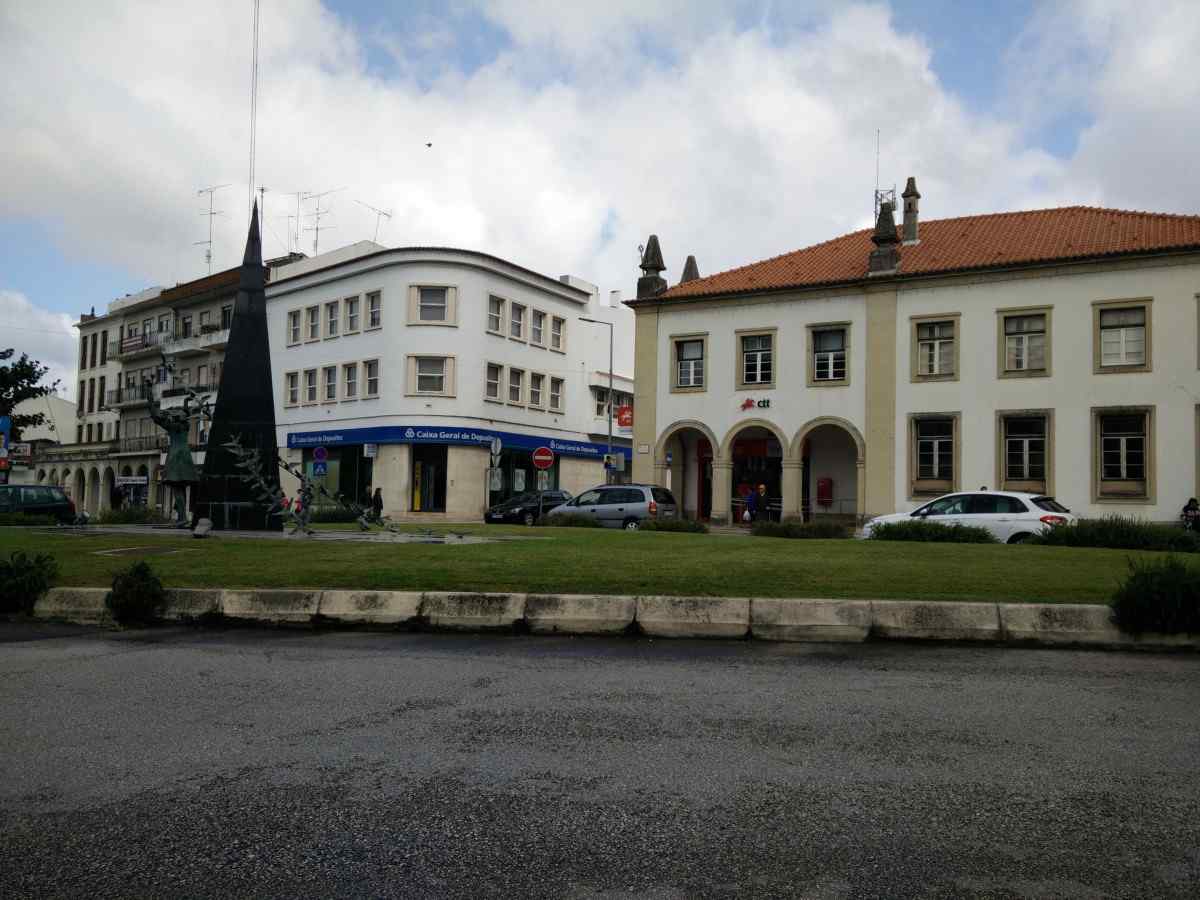
Visiting Pombal
After decades just passing by Pombal, (sometimes stopping to eat at Manjar do Marquês, I decided finally to enter town and have a look.
Well, time was short, and, for my despair, I couldn’t find a place to park (market day?).
Only a general look, and the confirmation that it may be better than I thought.
Castle
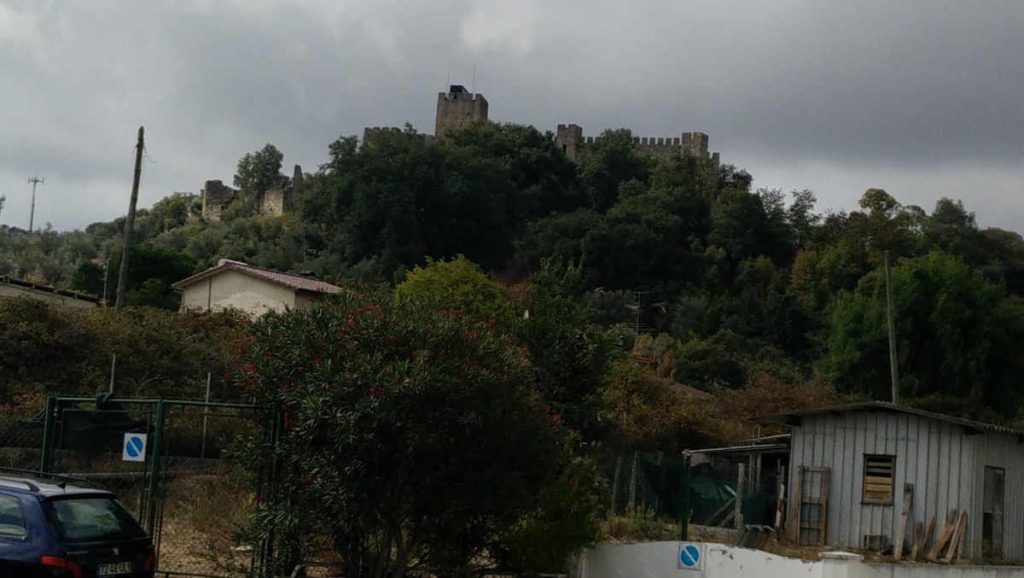
The castle’s origins trace back to Roman and Moorish times, but it gained prominence when Afonso Henriques, the founder of Tomar and the Convento de Cristo, donated it to the Knights Templar around 1128. The castle’s construction continued throughout the 12th century, with various towers reinforcing its walls. Used in Regain campaign, it is a national monument since 1910.

Eating in Pombal – 1 great rice
Plan your visit

Discover more with Touristrips
Welcome to Pombal!
🌐 Regional connection This city is part of the South Central Coast Cluster, a curated region that connects coastal towns, heritage sites and Atlantic landscapes across central Portugal.
Plan your visit
Share your own experience
If you want to easily publish your own experiences, after registering you may use the form below. It will be added after revision. You may use text, photos till 20Mb or video. For a more complex publication click here.
Publishing form
You need to be logged in to view this page
Your trip will be perfect with the help of our partners
For great experiences:
For your safety:

For your comfort:
For cheap flights:
For local displacements:
 English
 Português