

Overview
The district of Castelo Branco lies in central Portugal, a region of quiet landscapes, historical towns and deep cultural roots. It stretches from the mountains of Serra da Estrela to the plains near the Spanish border, offering a blend of natural beauty and rural authenticity. The city of Castelo Branco serves as its heart, known for its baroque gardens, traditional embroidery and calm rhythm of life. Surrounding towns such as Idanha‑a‑Nova, Monsanto and Vila Velha de Ródão reveal centuries of history carved into stone and countryside. The district embodies the essence of inland Portugal — peaceful, genuine and rich in heritage.
Best time to visit
The best time to visit Castelo Branco District is between April and October, when mild temperatures and clear skies make it ideal for exploring both urban and rural areas. Spring brings blooming fields and comfortable weather for walking and sightseeing, while summer offers warm days suited for river beaches and outdoor festivals. Early autumn provides golden light and a quieter pace, perfect for discovering villages and natural parks. Winter is cooler and tranquil, inviting cultural visits and scenic drives through the region’s hills and valleys.
Getting around
The district is well connected by road, with highways linking Castelo Branco to Lisbon, Coimbra and the Spanish border. Within the region, driving is the most convenient way to explore its towns, villages and natural sites. Public buses connect major towns, while trains serve the main line between Lisbon and Guarda. Walking is pleasant in historic centers, and cycling routes follow rural paths and river valleys. Movement is simple and flexible, fitting the district’s relaxed rhythm.
Safety and local etiquette
Castelo Branco District is safe and welcoming, with a calm atmosphere typical of Portugal’s interior. Normal precautions are recommended, though the environment is generally peaceful. Respect for local traditions and rural life is appreciated, as communities value their quiet character and cultural heritage. Visitors are encouraged to greet locals politely and to treat historical sites and natural areas with care. The region’s hospitality is warm and genuine, making travelers feel at ease.
Food and water
The cuisine of Castelo Branco District reflects the flavors of inland Portugal — hearty, rustic and deeply tied to local produce. Olive oil, cured meats, cheeses and traditional bread form the foundation of many dishes. Regional specialties include lamb stews, river fish and simple comfort foods prepared with authenticity. Local wines and olive oils are of high quality, and drinking water is safe throughout the region. Meals are often enjoyed slowly, emphasizing conversation and connection.
Day trips and excursions
The district offers a variety of excursions that highlight its cultural and natural richness. The city of Castelo Branco itself features the Episcopal Palace Gardens and the Museum of Cargaleiro. Monsanto, known as the “most Portuguese village,” offers dramatic granite scenery and medieval charm. Idanha‑a‑Nova reveals archaeological sites and rural traditions, while Vila Velha de Ródão provides river views and the striking Portas de Ródão cliffs. The nearby Serra da Estrela adds mountain landscapes and hiking opportunities. Each excursion deepens the experience, connecting visitors to the region’s history and nature.
Essence of Castelo Branco District
The essence of Castelo Branco District lies in its harmony between land, heritage and tranquility. Ancient villages, quiet rivers and open horizons create an atmosphere that feels timeless and sincere. It is a place where history lives in stone, where nature shapes daily life and where simplicity carries beauty. The district embodies the soul of central Portugal — authentic, peaceful and enduring.
Highlights in Castelo Branco district
Belmonte is a special gem that for itself justifies the visit. The main city, Castelo Branco is interesting, and you may add some of the most typical villages in Portugal, such as Monsanto, Castelo Novo or Penha Garcia. Landscape is the highlight of Vila Velha de Ródão, or Covilhã, in Serra da Estrela.
Visited places:




- Castelo Branco District is located in central-eastern Portugal and borders Spain.
- The district is renowned for its historic villages, mountain landscapes, river valleys, castles, and traditional rural culture.
- Tap water is safe to drink and of excellent quality.
- The district includes important destinations such as Castelo Branco, Belmonte, Covilhã, Fundão, Idanha-a-Nova, Monsanto, Penamacor, and Sertã.
- Monsanto, often called the “Most Portuguese Village in Portugal”, is one of the country’s most iconic historic villages.
- Belmonte is famous as the birthplace of the explorer Pedro Álvares Cabral and for its important Jewish heritage.
- Covilhã serves as one of the main gateways to the Serra da Estrela Natural Park, Portugal’s highest mountain range.
- Castelo Branco is known for its beautiful Baroque gardens at the Episcopal Palace Garden.
- The district contains part of the spectacular Serra da Estrela Natural Park, offering opportunities for hiking, mountain tourism, and winter sports.
- Idanha-a-Velha preserves some of Portugal’s most important Roman and medieval archaeological remains.
- The region is famous for olive oil, cheeses, cherries, honey, cherries from Fundão, traditional embroidery, and local wines.
- Traditional gastronomy includes roast kid, lamb dishes, river fish, smoked meats, regional cheeses, olive oil, and convent sweets.
- The district offers excellent opportunities for hiking, cycling, birdwatching, cultural tourism, photography, and scenic drives.
- The destination is safe and visitor-friendly; normal precautions are generally sufficient.
- Credit and debit cards are widely accepted in towns, although carrying some cash is advisable in smaller villages.
- The official currency is the Euro (€).
- A car is highly recommended for exploring the historic villages, mountain landscapes, natural parks, and rural areas of the district.
- Respect protected natural areas, historic monuments, archaeological sites, agricultural properties, and local traditions when visiting.
Castelo Branco District enjoys a Mediterranean climate with continental influences, characterised by hot, dry summers and cool winters. Due to its large size and varied topography, climate conditions differ between the plains, river valleys, and mountainous areas such as the Serra da Estrela and Serra da Gardunha.
- Spring (March to May) – mild temperatures, blooming landscapes, and excellent conditions for exploring historic villages, natural parks, and river beaches.
- Summer (June to August) – warm to hot and generally dry, with temperatures typically ranging between 28°C and 38°C, although mountain areas remain cooler.
- Autumn (September to November) – pleasant weather, colourful forests, harvest season, and ideal conditions for hiking, photography, and rural tourism.
- Winter (December to February) – cool conditions, generally ranging between 2°C and 12°C, with frost common inland and occasional snowfall in the highest mountain areas.
Spring and autumn are widely considered the best seasons to visit Castelo Branco District.
Today:
🌐 Regional connection
This district is part of the Interior Center Cluster, a curated region that connects mountain towns, rural landscapes and historic villages across central inland Portugal.

 My preferences in Castelo Branco district:
 My preferences in
** Very Interesting:
Monsanto
Belmonte
Castelo Novo
Penha Garcia
V. Velha de Ródão
* Interesting
Castelo Branco
Idanha-a-Nova
Penamacor
Covilhã
Termas de Monfortinho
Pedrógão Pequeno
Sertã
Vila de Rei
Monsanto

Largely promoted as “The most Portuguese village of Portugal” Monsanto is one of the best reasons to visit Castelo Branco district.
It’s an opportunity to travel a little inland, finding the remote Portugal.
In 2001 I made my first visit, which is commented on the respective page.
I repeated the visit in 2022 and found many differences.
Further comments and better photos will “grow” in my Monsanto page.
Belmonte

Belmonte is one of the 12 Historical Villages of Portugal, with roots dating back to the 12th century. The town is famous for its well-preserved medieval castle, which offers stunning views of the surrounding landscape. Belmonte is also notable for its Jewish heritage, home to a unique crypto-Jewish community that maintained its traditions in secret for centuries. Visitors can explore the Jewish Museum and the ancient synagogue. Additionally, Belmonte is the birthplace of Pedro Álvares Cabral, the navigator who discovered Brazil in 1500, adding to its historical significance.
Castelo Branco

Castelo Branco, the name meaning “White Castle,” originates from a Roman settlement called Castra Leuca. Castelo Branco is renowned for its well-preserved medieval castle, which offers panoramic views of the surrounding area and for its beautiful gardens, particularly the Jardim do Paço Episcopal, which features intricate Baroque designs.
Castelo Novo

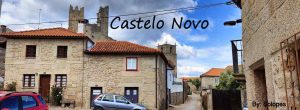
Nestled in the Serra da Gardunha mountains, Castelo Novo is part of the “12 Historical Villages of Portugal” program. Castelo Novo is renowned for its medieval architecture, including a well-preserved castle that dates back to the 12th century. The village features charming cobblestone streets, traditional granite houses, and several notable landmarks such as the Baroque-style Town Hall and the 18th-century fountain in Largo da Bica.
Idanha-a-Nova

Located near the Spanish border, Idanha-a-Nova is one of the largest municipalities in Portugal by area but has a low population density. The town is famous for its historical sites, including the ancient village of Idanha-a-Velha, which features Roman and medieval ruins. Idanha-a-Nova is also part of the Naturtejo Geopark, offering stunning natural landscapes and outdoor activities.
Penha Garcia

Penha Garcia is a quaint village in the municipality of Idanha-a-Nova, famous for its medieval castle, which offers stunning views of the surrounding landscape. The village features charming schist and granite houses, a picturesque river beach and some ancient watermills.
Sertã

Nestled along the banks of the Zêzere River, Sertã we may see its medieval castle, which dates back to Roman times, offering panoramic views and a glimpse into its storied past. e may also explore the beautiful Ponte da Carvalha, an ancient bridge that spans the river, and the 15th-century Parish Church. Each year in Sertã there’s a contest of “maranhos”, a local typical sausage.
Vila de Rei

Vila de Rei is the geodesic center of mainland Portugal. It is not particularly interesting, but it has some locations with beautiful landscape. Penedo Furado, a natural rock formation with picturesque waterfalls is, maybe the most visited one.
Vila Velha de Ródão

The area is famous for the Portas de Ródão, impressive rock formations that create a natural gateway along the river. An old castle is the best viewpoint. The town also boasts a well-preserved medieval castle and several archaeological sites that offer a glimpse into its ancient past.
If you want to easily publish your own experiences, after registering you may use the form below. It will be added after revision. You may use text, photos till 20Mb or video. For a more complex publication click here.
Publishing form
You need to be logged in to view this page
Your trip will be perfect with the help of our partners
For a great experience:
For your safety:
For your comfort:
For cheap flights:
For local displacements:
 English
 Português