

Overview
Angra do Heroísmo rests on Terceira Island in the Azores, shaped by volcanic landscapes, ocean light and centuries of maritime history. The city preserves its traditional charm with cobbled streets, colorful façades and a calm rhythm by the bay. Its atmosphere feels serene, historic and unmistakably Atlantic, defined by heritage and natural beauty.
Best time to visit
The best time to visit Angra do Heroísmo is from May to October, when mild temperatures and long days make exploring ideal. Spring brings fresh colors and blooming gardens. Summer offers lively festivals and seaside walks. Autumn adds golden tones and calm evenings. Winter is cool and peaceful, perfect for cultural visits.
Getting around
Angra do Heroísmo is compact and easy to explore on foot. The main sights — the Cathedral, Monte Brasil, the marina and historic center — are all close together. Buses and taxis connect the city with other parts of Terceira Island. Movement reflects the blend of heritage, comfort and island simplicity.
Safety and local etiquette
Angra do Heroísmo is safe and welcoming, with a friendly Azorean atmosphere. Normal precautions apply around busy tourist areas and coastal paths. Locals value politeness, calm conversation and respect for nature. Visitors are encouraged to greet people warmly and enjoy the relaxed rhythm of island life.
Food and water
Angra do Heroísmo offers excellent regional cuisine — fresh fish, limpets, octopus, local cheeses and sweet pastries. Restaurants serve hearty meals with warm hospitality. Tap water is safe to drink. Dining here feels rustic and comforting, reflecting the island’s culinary pride and maritime roots.
Day trips and excursions
Angra do Heroísmo is perfectly positioned for exploring Terceira Island. Monte Brasil offers panoramic views and hiking trails. Algar do Carvão reveals volcanic wonders. Praia da Vitória blends beaches with coastal charm. Serra do Cume provides scenic landscapes. Each excursion complements Angra’s identity with nature, culture and island beauty.
Essence of Angra do Heroísmo
The essence of Angra do Heroísmo lies in its harmony between ocean, hills and centuries of Azorean tradition. Sunlight touches tiled roofs, waves roll across the bay and the city breathes a rhythm shaped by history and calm. It is a place where serenity meets heritage, where landscapes remain vivid and where every moment carries a soft, expressive Atlantic tone. Angra do Heroísmo embodies the peaceful soul of the Azores — historic, scenic and unmistakably authentic.
Highlights in Angra do Heroismo:
The whole city is an open-air museum, easy to complement with a few walks around.


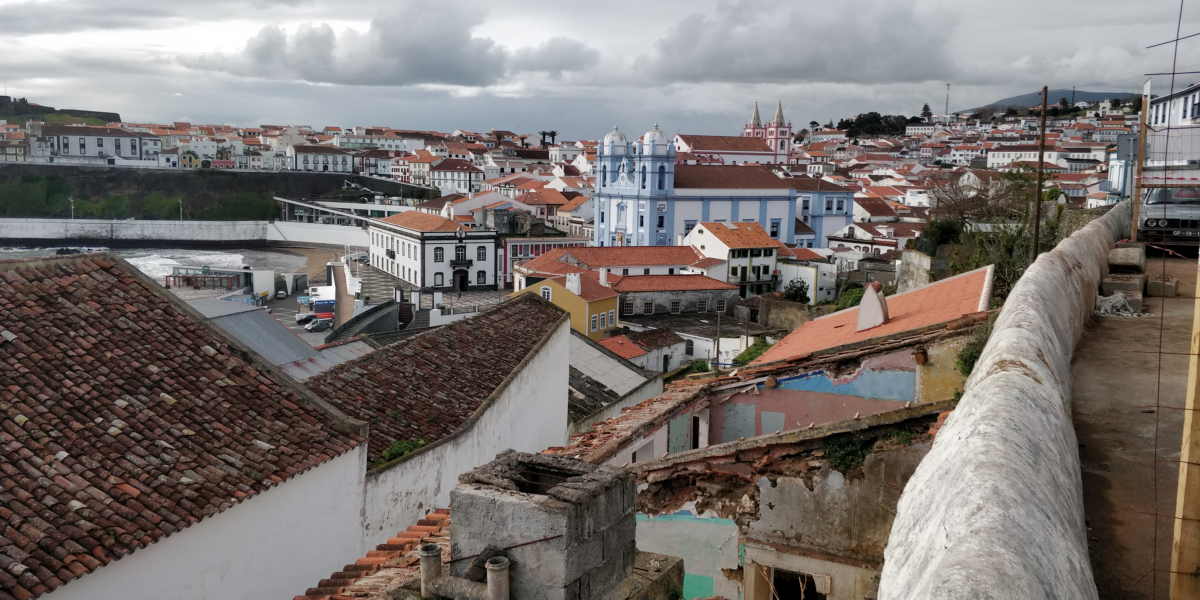
Visiting Angra do Heroísmo
Bullring roundabout
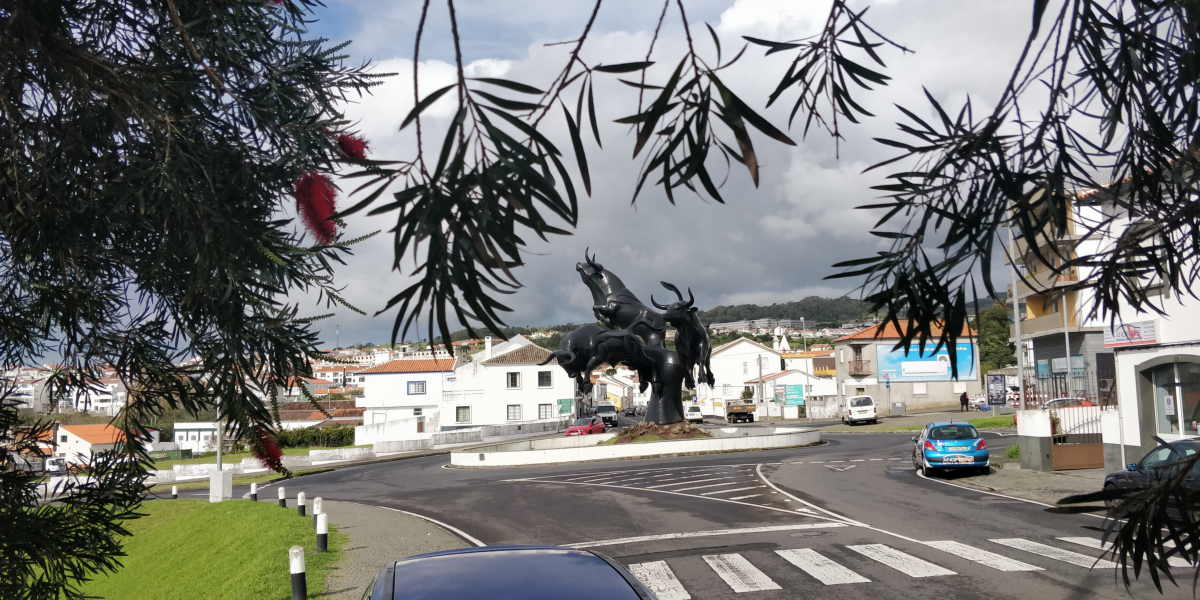
One of the most exuberant statues was placed in the appropriate place – a bullfight scene occupies the roundabout next to the bullring, honoring bullfighting, cattlemen, and all who contribute to preserving this vibrant cultural tradition.
It makes sense!
Bullring
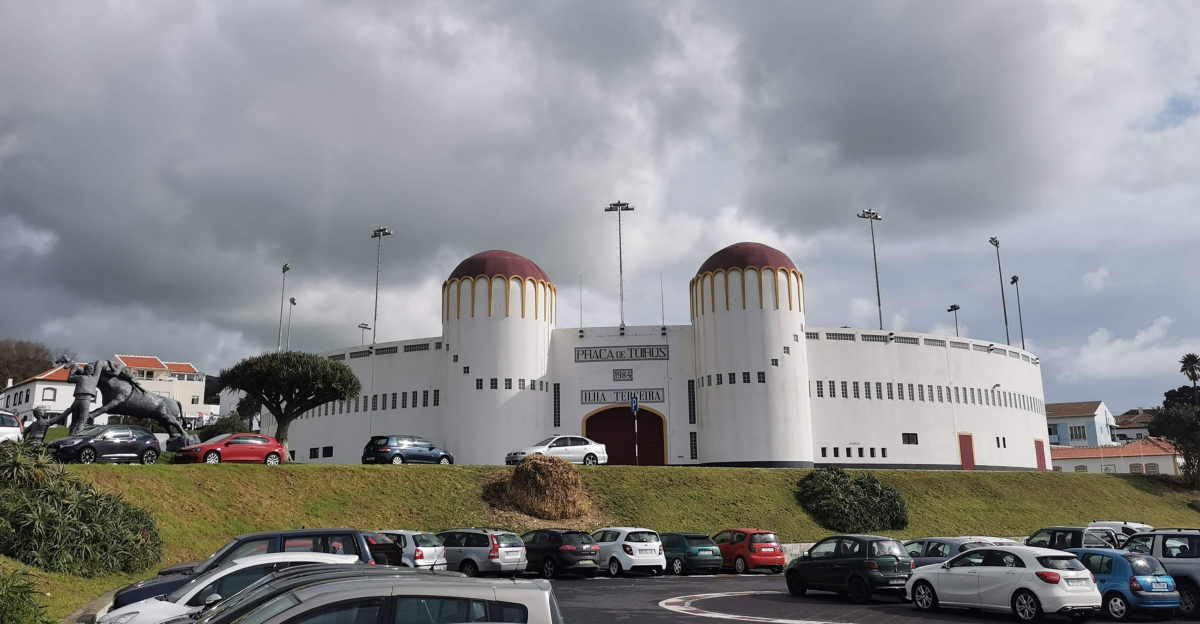
The Bullring has undergone various interventions over the years to match the quality of world-class bullfighting centers. Throughout the year, it hosts several bullfighting events, with the highlight during the Sanjoaninas festival—an internationally renowned taurine fair.
San Sebastian fort
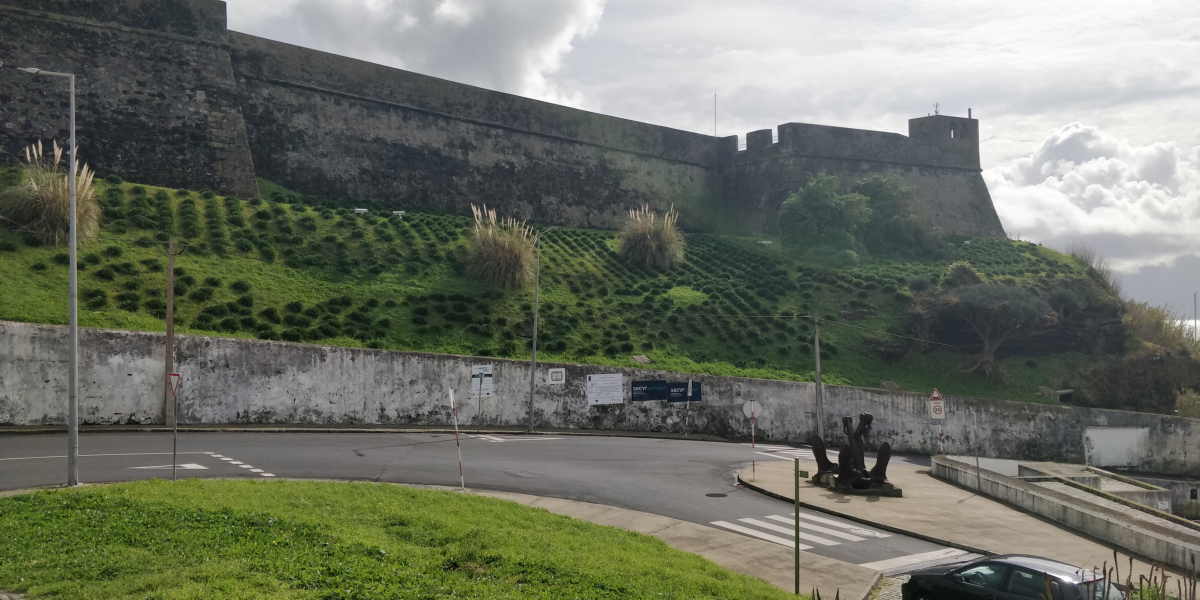
The Fort of São Sebastião, also known Castelinho, stands on a small hill overlooking the port of Pipas. Constructed in 1580, it represented a new concept for coastal defense and was the first major maritime fortification in the city. Nowadays, this historic site has been transformed into a hotel, part of the Pousadas de Portugal group, and is open for visits.
Mount Brasil
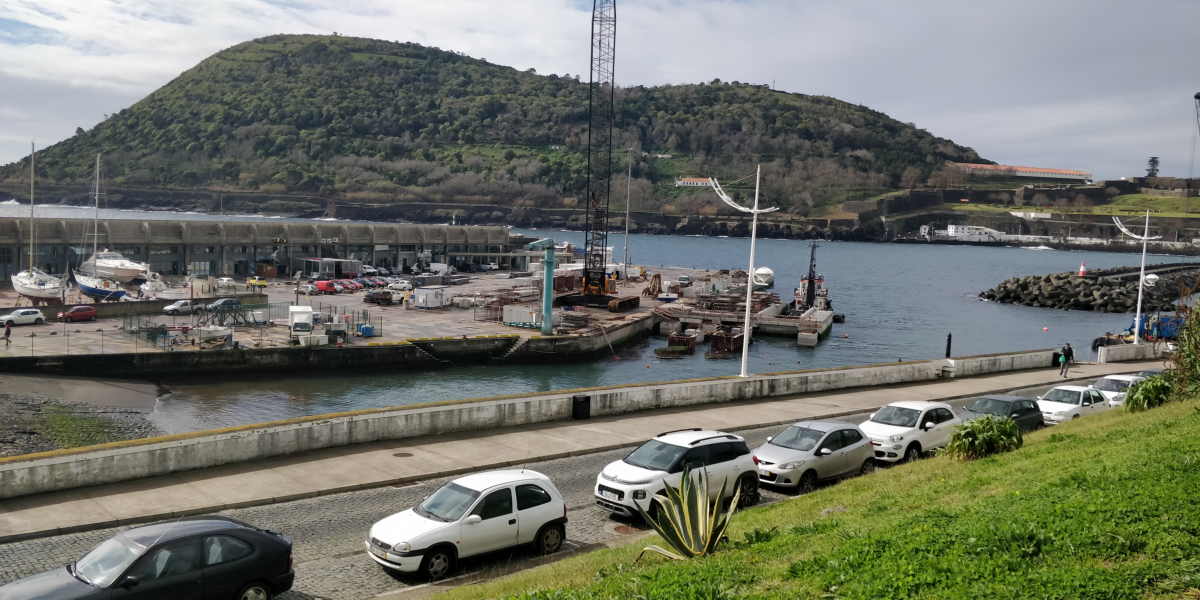
Monte Brasil is a peninsula linked to Angra. Overlooking the city, it served as a defensive point throughout history, resulting in the construction of forts like the Fortress of São João Baptista. In the late 16th century, Monte Brasil hosted an estate/farm and several forts. Today, it stands as a protected landscape and natural park, offering excellent viewpoints.
Mount Brasil sightseeing
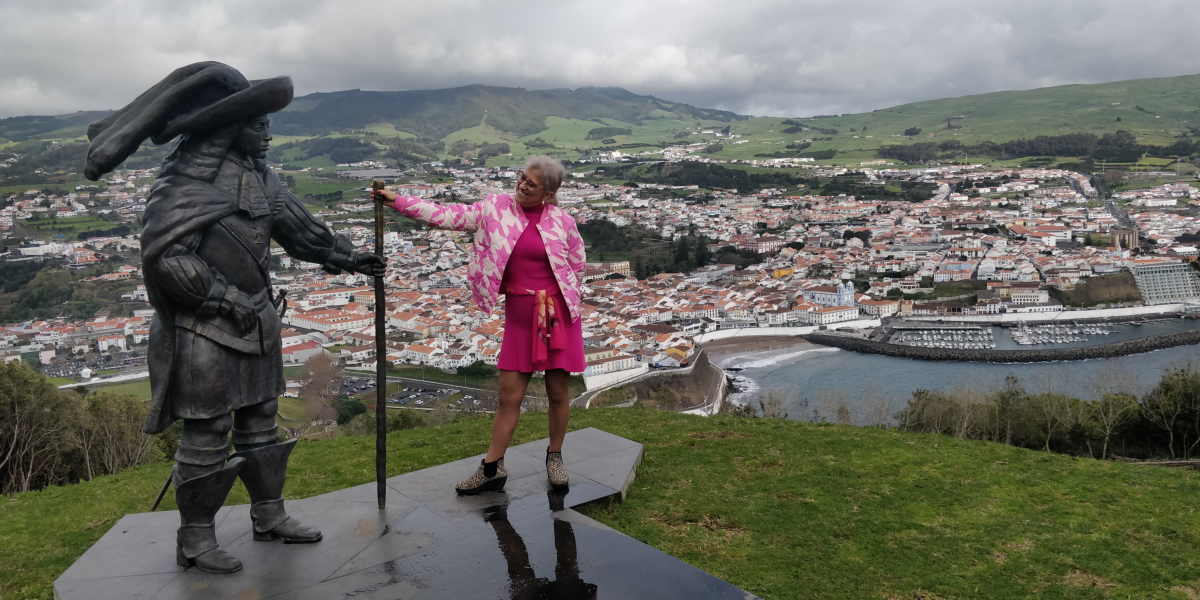
And yes, the viewpoints at Monte Brasil are spectacular and well prepared for great photos… weather permitting!
Alto da Memória
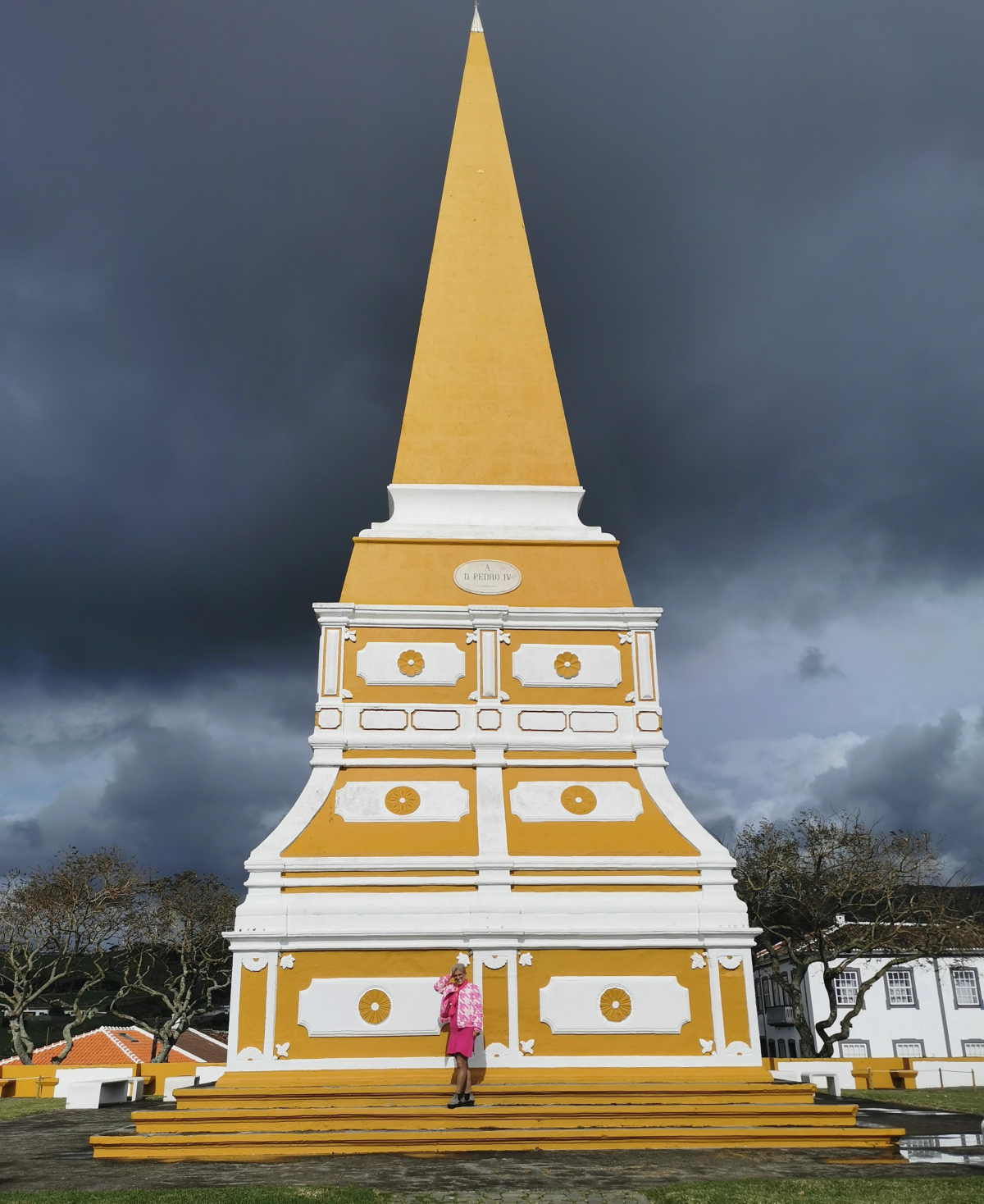
Alto da Memória crowns the beautiful Duque de Terceira Garden in the historic center of the city. At this elevated spot, you’ll find the Obelisk of Alto da Memória, a large commemorative monument initially built in the 19th century. It pays tribute to significant events and historical figures, including the passage of King Dom Pedro IV during constitutional struggles. The panoramic view from this location encompasses the city and the surrounding ocean, making it a privileged viewpoint for visitors.
Duque da Terceira garden
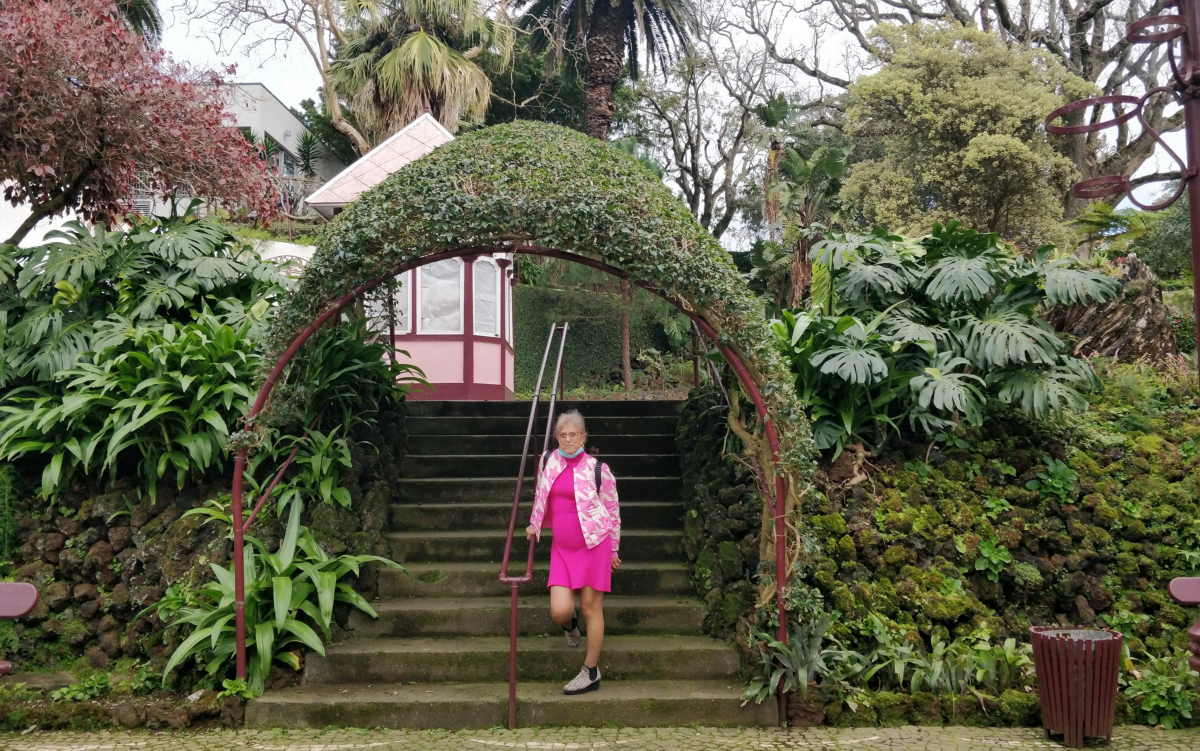
This Garden, in the historical center of the city occupies about 31,600 m² and features stone pathways connecting different levels. From the top, visitors can enjoy views of the entire city. Notably, it was named in honor of the civil war veteran Duke of Terceira, António José Severim de Noronha.
Old square
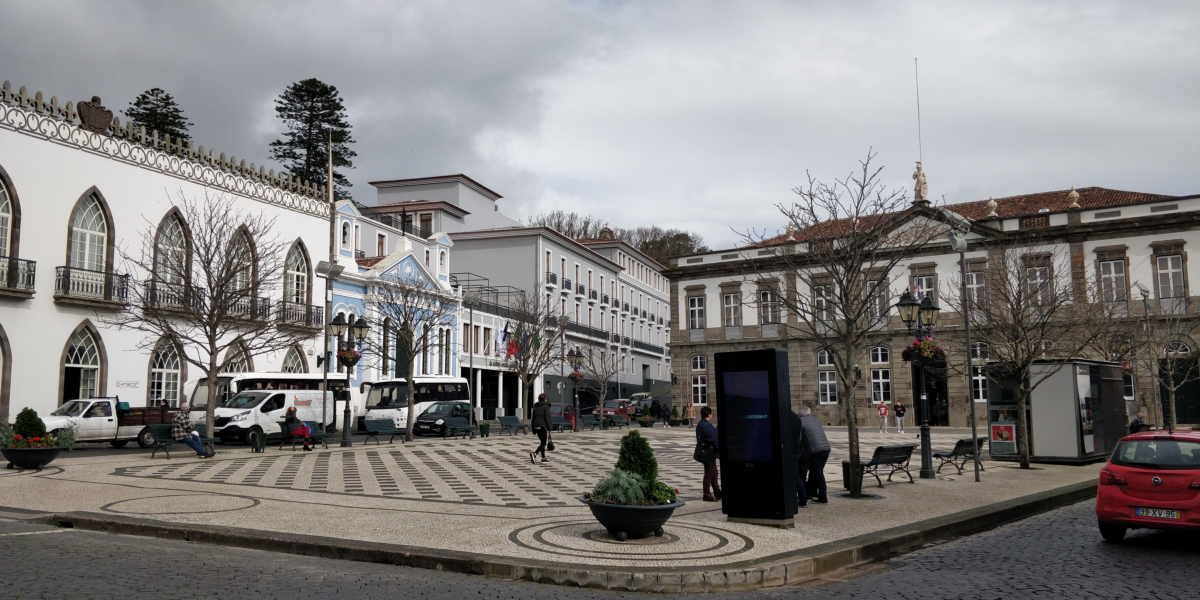
The Old Square is undeniably the heart of the city, located in the historical center. This charming square features a richly crafted Portuguese sidewalk, surrounded by terraces, cafes, and restaurants. At its center stands City Hall, an elegant building. Originally built during the Middle Ages, the square has Renaissance-style lines and has been renovated over time. It’s a must-visit spot for anyone exploring this beautiful city.
MAH – S. Francisco convent (Museum)
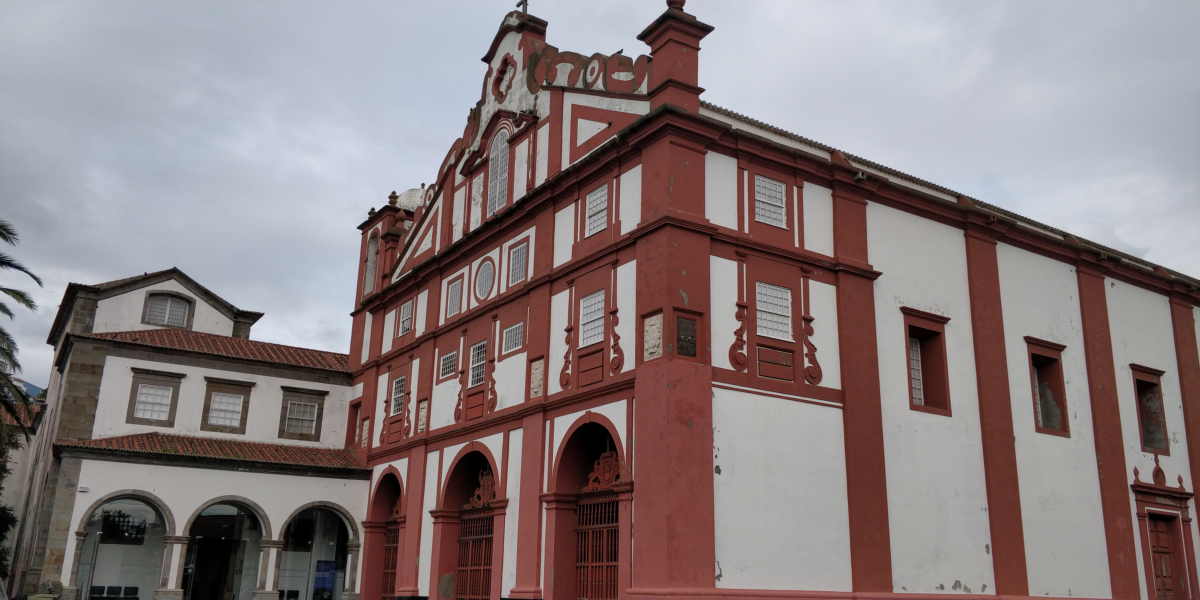
The Angra museum is an entity that encompasses several nuclei, from the headquarters, located in the former convent of São Francisco, to a military battery on Monte Brasil, passing through churches, an art gallery, hermitages, to a fort in Biscoitos. Its most remarkable element is the Convent of São Francisco, a precious Baroque building.
Site: MAH
Palace of Justice
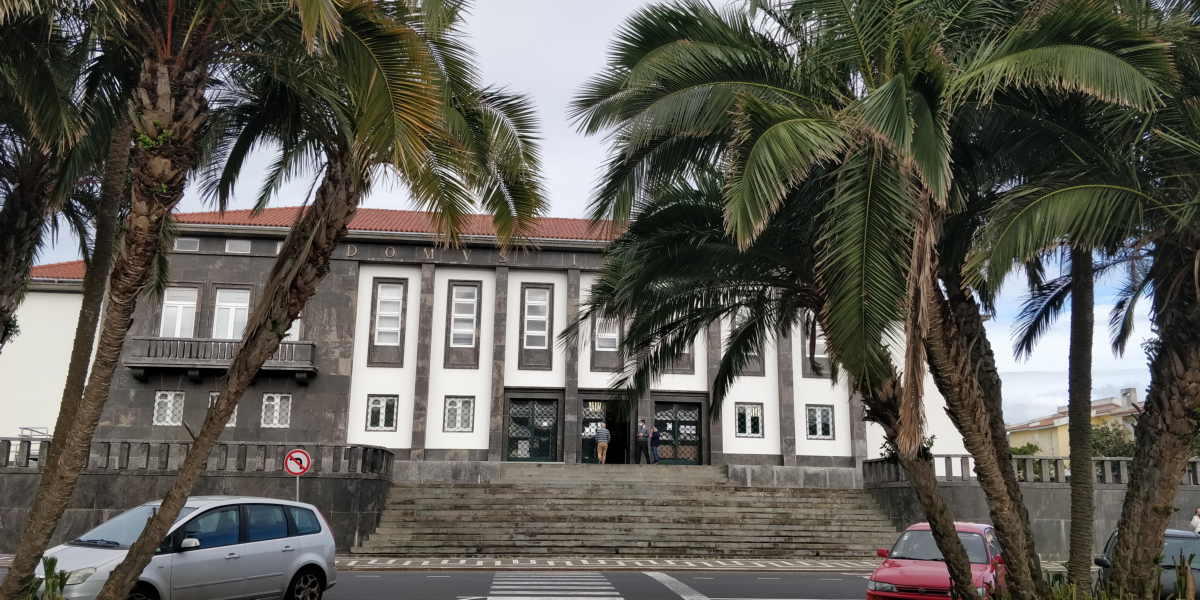
The Justice Palace is a historic structure built by the Jesuits in the late 16th century, that later served as the seat of the archipelago’s first unified government (Capitania Geral) after the Jesuit order was expelled in the 1700s.
Almeida Garret square
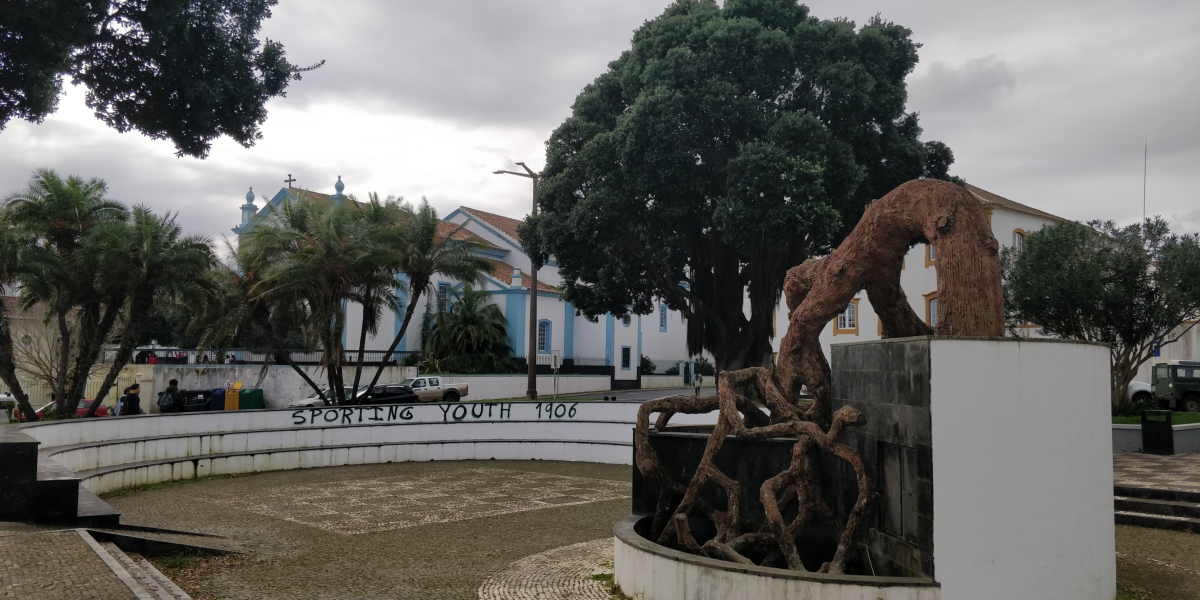
This delightful public space is adorned with a richly crafted Portuguese sidewalk and surrounded by inviting terraces, cafes, and restaurants. Around it, the Solar dos Remédios House from the 16th century, Conceição Church from the 18th century and Justice Palace are the highlights.
Sanctuary N. S. Conceição
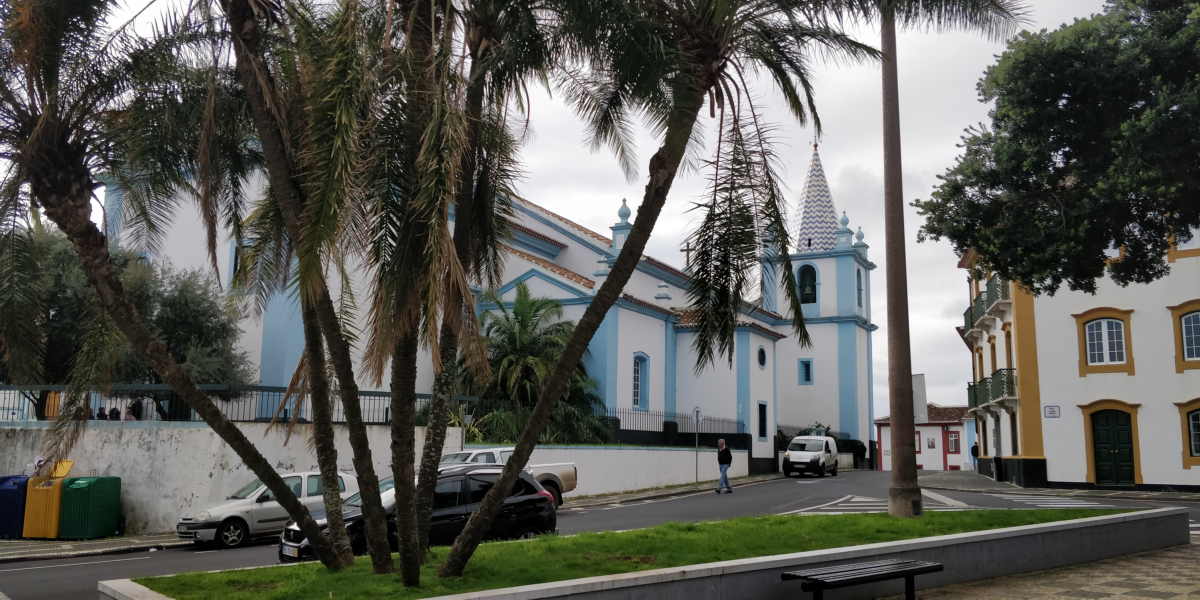
Constructed in the 16th century, this church stands as a testament to the island’s religious heritage. The church features architectural elements from different periods, including Gothic and Manueline styles. I read that in its interior it houses religious art, intricate woodwork, and historical artifacts.
Sanctuary -facade
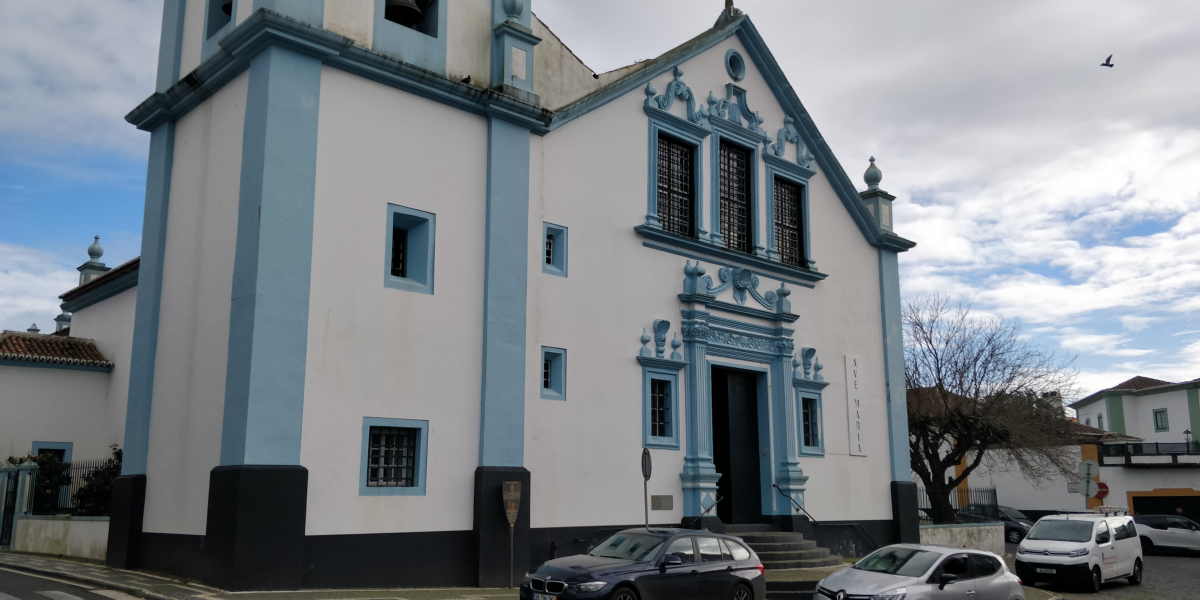
We went around, tried to enter, but… bad luck – it was closed!
Public library
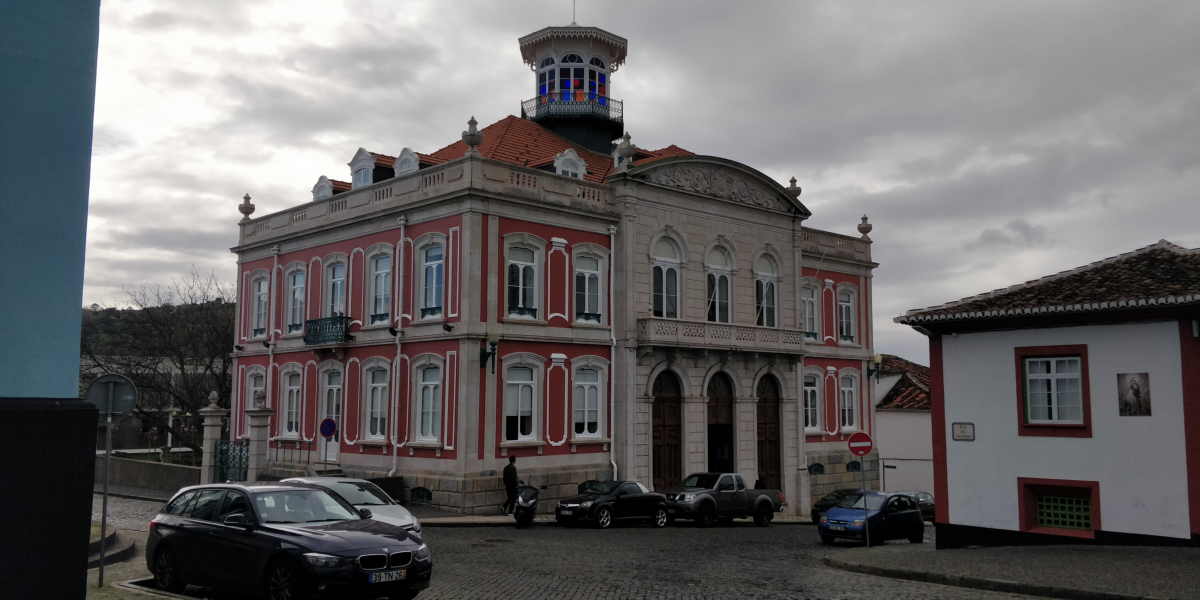
The Public Library and Regional Archive Luís da Silva Ribeiro occupies part of the Palazzo Silveira e Paulo. Despite its classical image, it was built from 2006 to 2016.
N. S. Boa Viagem
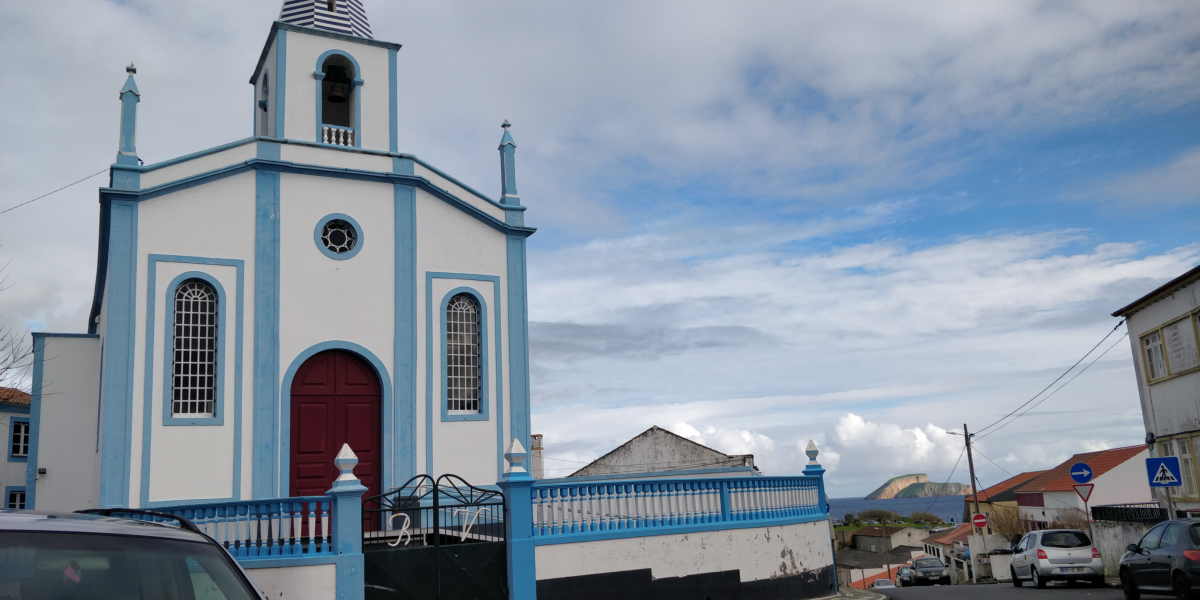
This chapel’s history is intertwined with João Vaz Corte Real, who explored various provinces of Portugal before settling on Terceira. It is believed that a group of sailors, led by Corte Real, built this chapel for religious worship. Originally named Ermida de São Pedro Gonçalves, it later became known as Nossa Senhora da Boa Viagem. The chapel likely dates back to 1480 and holds an ancient image with this invocation.
Vasco da Gama
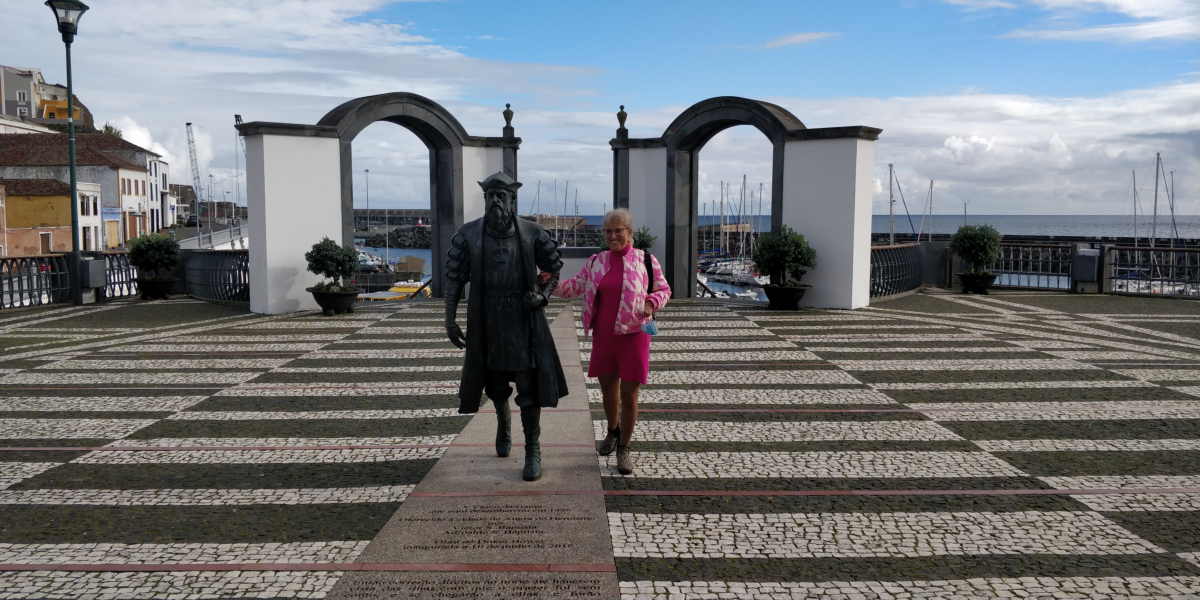
At first, I didn’t identify that gentleman who accompanied Fernanda on a walk around the city. When I recognized him, I had to investigate what Vasco da Gama was doing 500 years later, on an island he had not discovered. I learned that it is a statue created by Duker Bower and offered by an emigrant, to commemorate his 3-month stay on the island.
Marina
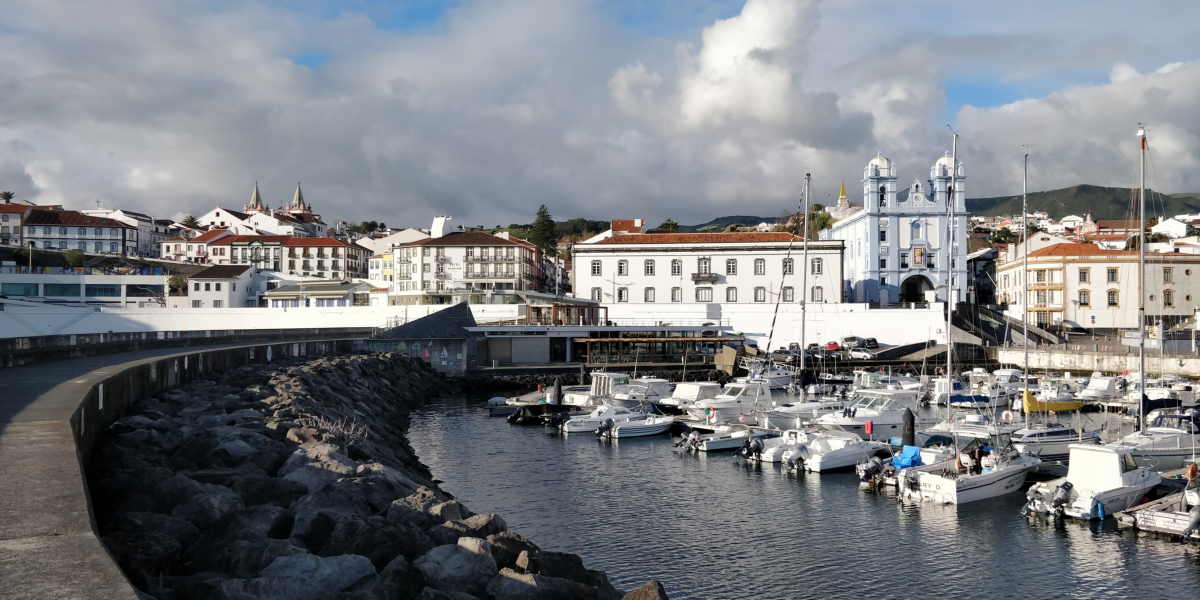
Close to the historic center, the marina is a modern development (opened in 2004) and very functional, which can house up to 260 boats. Monte Brasil and its lighthouse are precious references.
Beach
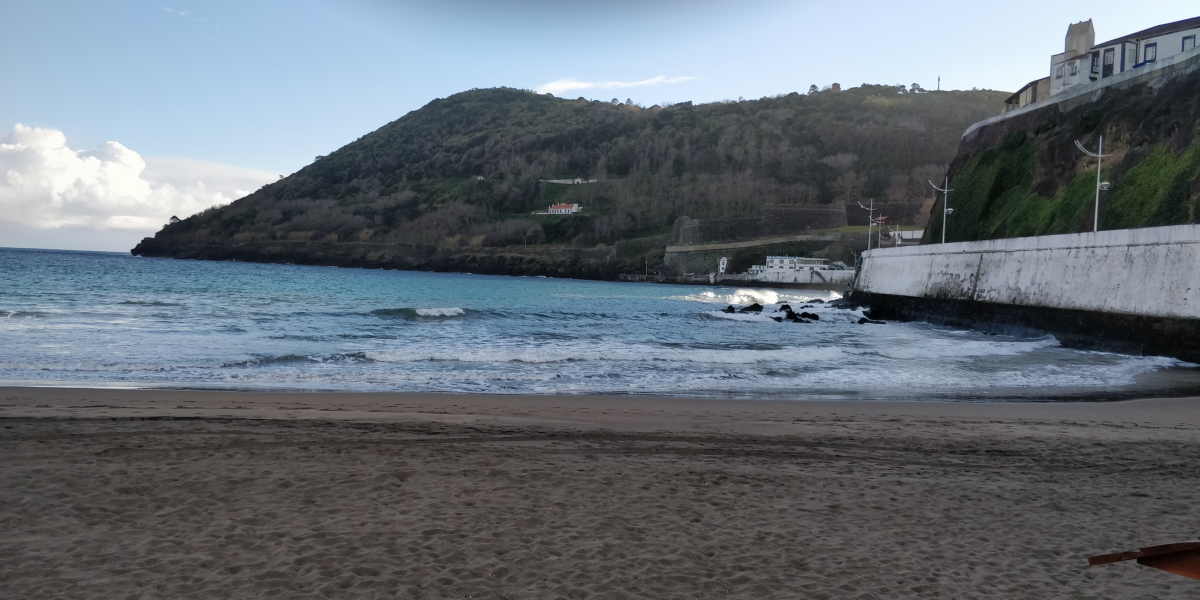
We visited the island in winter, so the beach was a topic that was automatically ruled out. Our hotel was right on the beach, and, despite the winter sea, the image was inviting. It wasn’t difficult to imagine how much prices would rise in the summer, and the absolute peace we enjoyed would decrease.
Cathedral
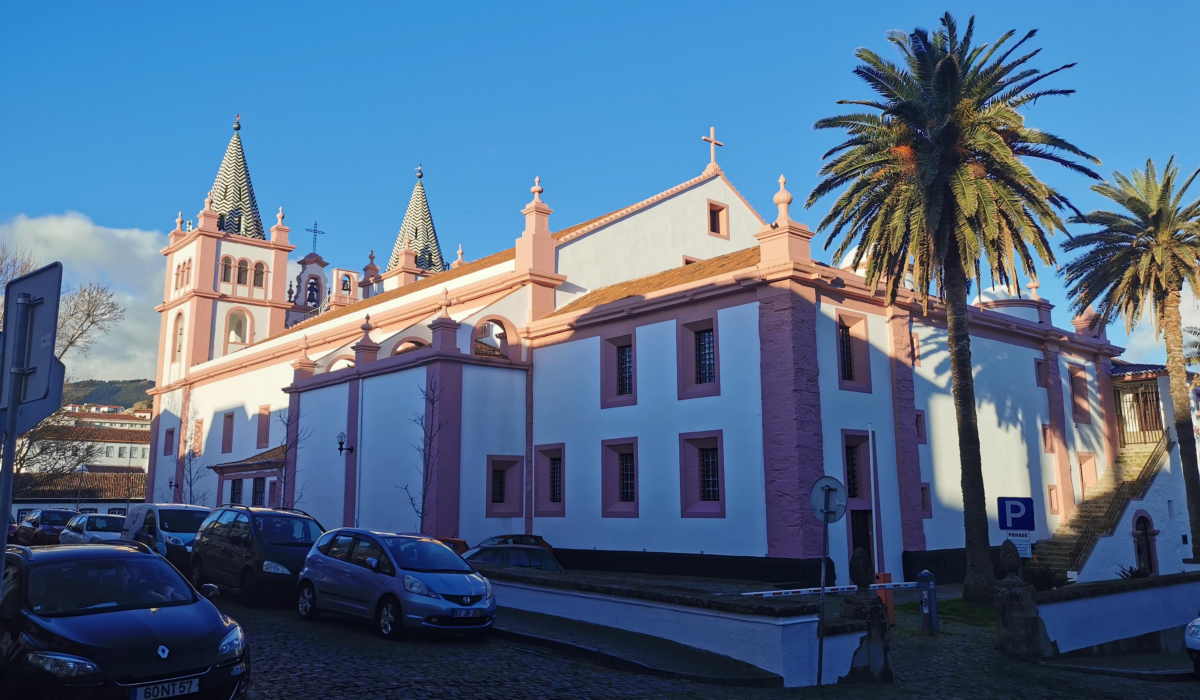
The cathedral’s roots trace back to a mid-15th century chapel founded by the explorer Álvaro Martins. Over time, it evolved into the grand structure we see today.
Its construction began in 1568, and it reflects various architectural styles, including Gothic, Manueline, and Renaissance elements.
Misericordia church
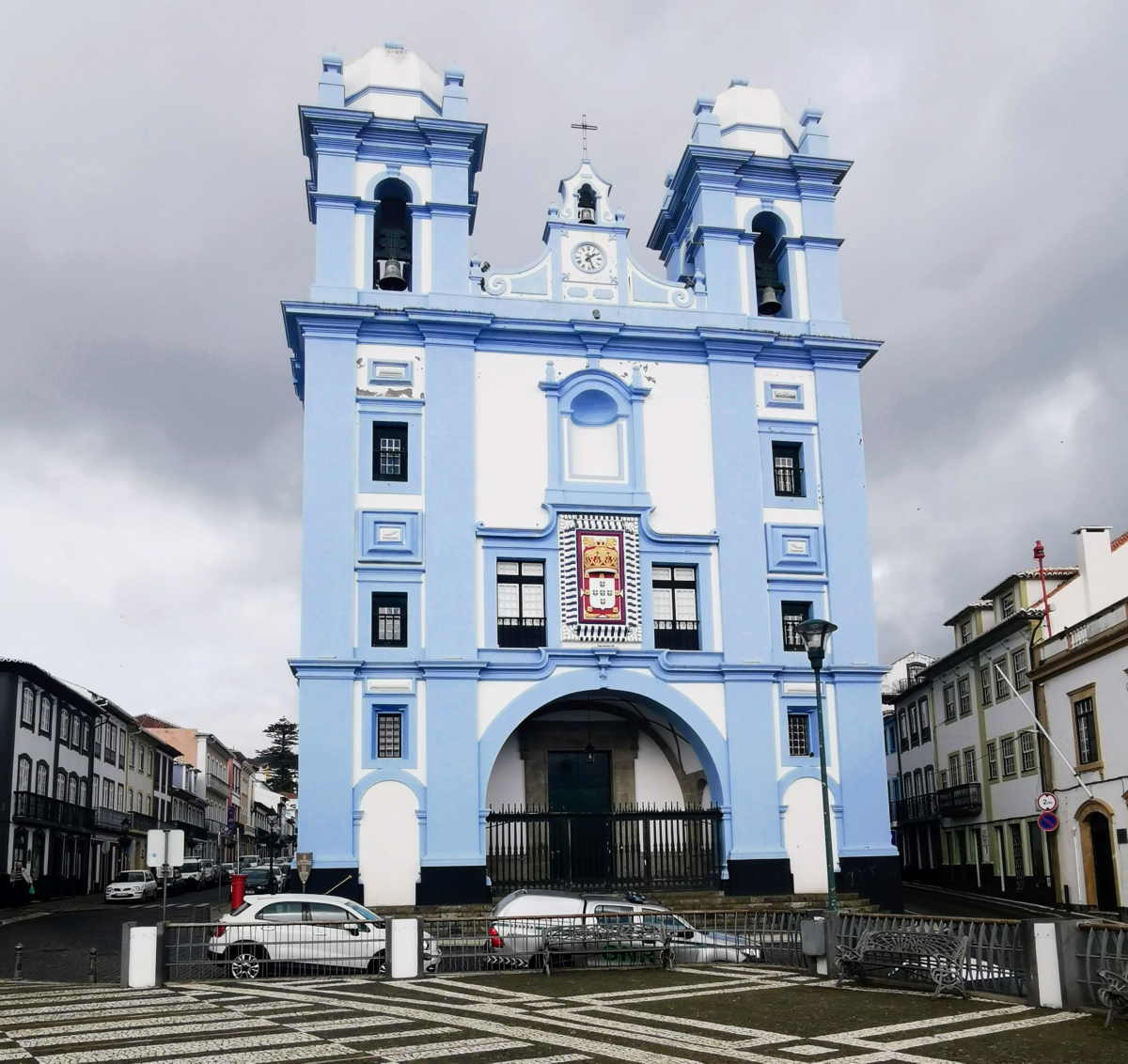
The Church of Misericórdia is an important 18th-century construction. It stands on the site of a former 15th-century church dedicated to the Holy Spirit, which was attached to the city’s first hospital. The church boasts a high, narrow, robust façade adorned with an arch topped by the Royal coat of arms. Inside, visitors can explore altars dedicated to the Holy Spirit and Santo Cristo das Misericórdias, along with carved woodwork, statues, and canvases depicting the descent of the Holy Spirit to the Virgin and the Apostles. Notably, 18th-century azulejo-tile panels feature historical scenes.
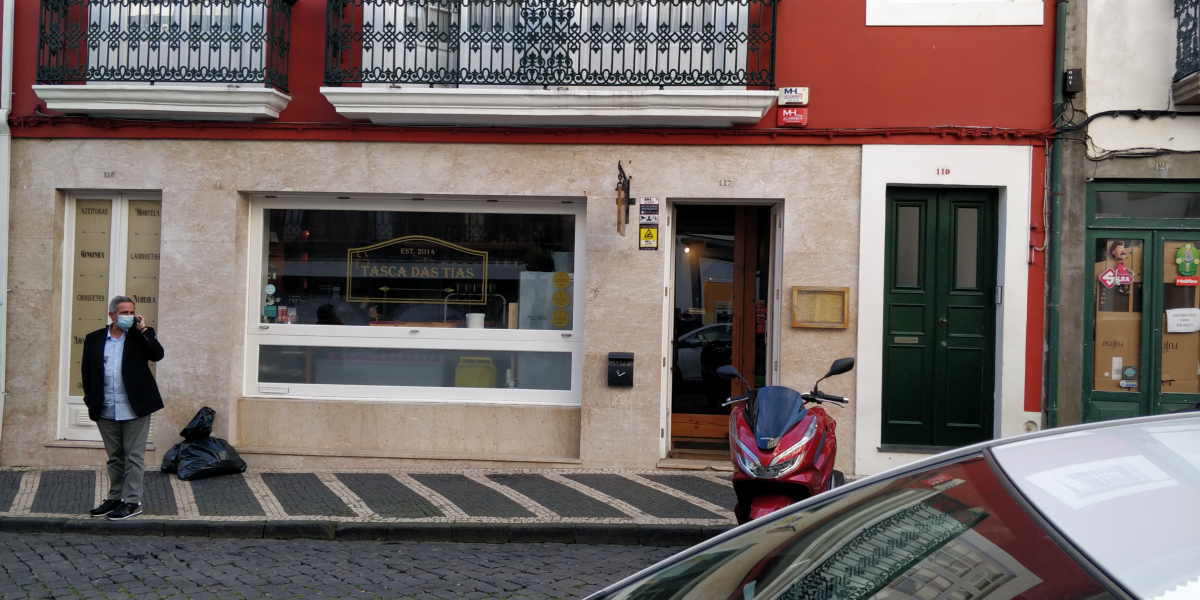
Eating in Angra – 4 excellent choices
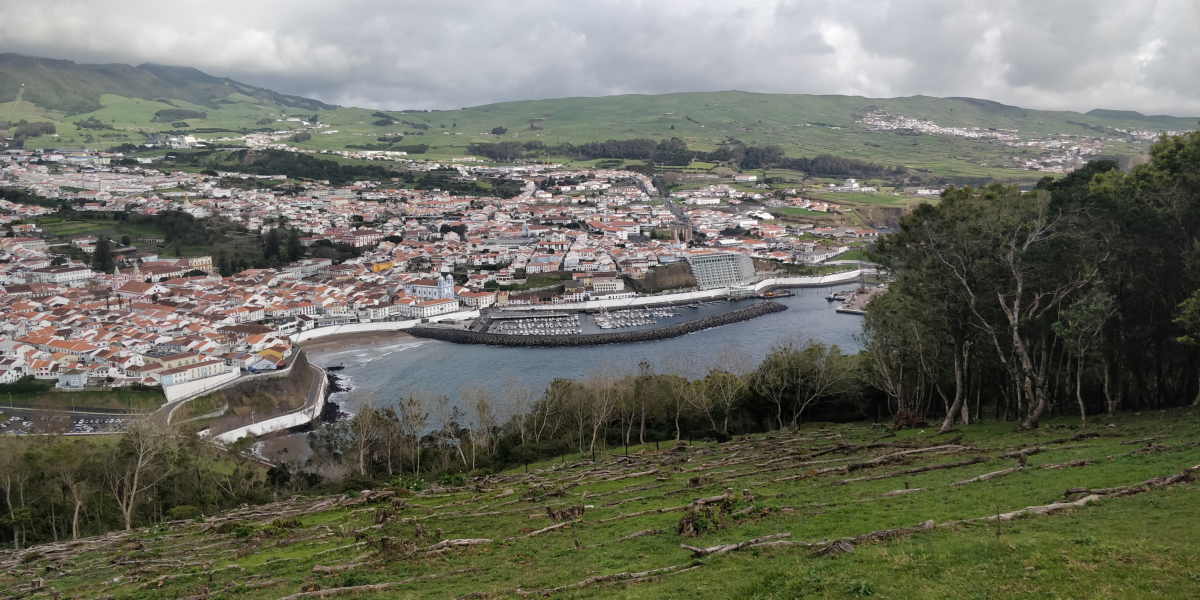
Beira Mar hotel – 1 great option
If you want to easily publish your own experiences, after registering you may use the form below. It will be added after revision. You may use text, photos till 20Mb or video. For a more complex publication click here.
Publishing form
Your trip will be perfect with the help of our partners
For a great experience:
For your safety:

For your comfort:
For cheap flights:
For packages in Europe:
For local displacements:

