

Saint-Malô – Overview
Saint‑Malô is one of Brittany’s most atmospheric coastal cities, a place where medieval walls rise above the Atlantic and history blends with maritime energy. Once a stronghold of privateers and explorers, the city retains a proud seafaring identity visible in its ramparts, granite architecture and bustling port. The walled old town, known as Intra‑Muros, offers narrow streets, lively squares and sweeping views over the sea. Tides shape the rhythm of daily life, revealing vast beaches and rocky islands that can be reached on foot at low tide. Saint‑Malô feels both ancient and vibrant, a destination where heritage and ocean meet in dramatic harmony.
Best time to visit
The best time to visit Saint‑Malô is between May and September, when the weather is mild and the coastline is ideal for walking, swimming and exploring tidal landscapes. Summer brings long days, lively cafés and a festive atmosphere, while late spring and early autumn offer quieter travel with pleasant temperatures. Winter is cooler and more serene, with stormy seas that highlight the city’s rugged beauty. Each season reveals a different facet of Saint‑Malô, from sunlit beaches to moody skies that echo its maritime past.
Getting around
Saint‑Malô is easy to navigate, especially within the walled old town, where walking is the best way to appreciate its architecture and coastal views. The city’s bus network connects Intra‑Muros to beaches, neighborhoods and the train station, which offers direct links to Rennes and Paris. Ferries connect Saint‑Malô to nearby coastal towns and to the Channel Islands, adding a maritime dimension to travel. Cycling is pleasant along coastal paths, and driving is useful for exploring the wider region of Brittany. Movement is simple and flexible, fitting the city’s blend of history and seaside life.
Safety and local etiquette
Saint‑Malô is safe and welcoming, with a calm atmosphere that suits both families and independent travelers. Normal precautions are recommended, especially in busy tourist areas during summer. Respect for tidal schedules is essential, as the sea rises quickly and can isolate certain areas. Visitors are encouraged to follow posted signs and local advice when walking to offshore islands. Politeness and quiet behavior are appreciated, and locals value respect for their maritime heritage and natural environment.
Food and water
Saint‑Malô’s cuisine reflects the flavors of Brittany, with seafood, crêpes and regional specialties at the heart of local dining. Fresh oysters, mussels and fish are widely available, often enjoyed with cider or Breton butter‑rich dishes. Crêperies and brasseries fill the old town, offering simple, flavorful meals in relaxed settings. Drinking water is safe throughout the city. Dining in Saint‑Malô is a celebration of coastal tradition, combining freshness, comfort and a strong sense of regional identity.
Day trips and excursions
Saint‑Malô is perfectly positioned for exploring Brittany’s northern coast. The nearby town of Dinard offers elegant beaches and Belle Époque charm, while Cancale is renowned for its oysters and seaside views. Mont Saint Michel, one of France’s most iconic landmarks, is within easy reach and provides a dramatic excursion into medieval history. Inland, the city of Dinan offers cobbled streets and half‑timbered houses that complement Saint‑Malô’s maritime character. Each excursion adds depth to the journey, revealing the cultural and natural richness of the region.
Essence of Saint‑Malô
The essence of Saint‑Malô lies in its union of sea, stone and history. The city’s ramparts, tides and granite streets create an atmosphere that feels both resilient and poetic. It is a place where ocean winds carry stories of explorers, where medieval walls frame modern life and where every horizon invites reflection. Saint‑Malô embodies the spirit of Brittany — proud, coastal and timeless — leaving travelers with a lasting sense of strength and beauty.
Highlights in Saint-Malô
- The magnificent Intra-Muros historic centre is enclosed by impressive granite walls and filled with narrow streets, shops, restaurants, and historic buildings.
- The famous Saint-Malo Ramparts offer spectacular panoramic views over the sea, beaches, harbour, and old town.
- The historic Saint-Malo Cathedral showcases centuries of Breton religious and architectural heritage.
- The beautiful Plage du Sillon is one of the finest beaches in Brittany and stretches for several kilometres along the coastline.
- The impressive Fort National, built by Vauban in the 17th century, can be reached on foot during low tide.
- The nearby Grand Bé island contains the tomb of writer François-René de Chateaubriand and offers beautiful coastal views.
Visitors can also enjoy boat trips, seafood restaurants, maritime museums, sailing, island excursions, coastal walks, and some of the most dramatic tides in Europe.


- Saint-Malo is located in Brittany, northwestern France.
- French is the official language.
- The currency is the Euro (€).
- Credit and debit cards are widely accepted.
- Tap water is safe to drink.
- Saint-Malo was historically home to famous French corsairs.
- The city is surrounded by impressive defensive walls.
- The tides around Saint-Malo are among the highest in Europe.
- Mont-Saint-Michel can be visited as a day trip.
- Seafood is one of the highlights of the local cuisine.
- The old town can easily be explored on foot.
- A light waterproof jacket is advisable throughout the year.
- Saint-Malo is one of Brittany’s most popular destinations.
Saint-Malo has a temperate oceanic climate, characterised by mild temperatures and Atlantic influences throughout the year.
- Spring (March to May) – mild temperatures and blooming coastal landscapes.
- Summer (June to August) – pleasant weather and ideal sightseeing conditions.
- Autumn (September to November) – comfortable temperatures and beautiful coastal scenery.
- Winter (December to February) – cool weather, dramatic seas, and a quieter atmosphere.
The most popular period to visit is from May to September, when weather conditions are generally ideal for exploring the historic walls, enjoying the beaches, discovering Breton gastronomy, and experiencing the maritime character that makes Saint-Malo one of France’s most attractive coastal destinations.
Today:

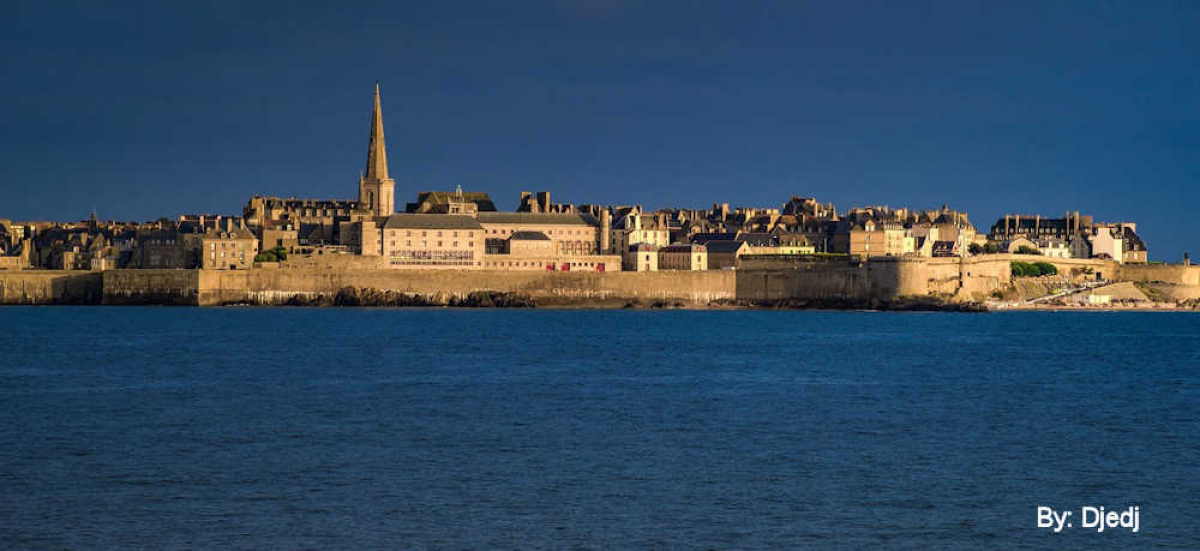
Walled Saint Malô
For several decades Walled Saint-Malô was, for us, a far and cold beach where each year took place a competition of figures in the sand.
he visit to the real beach was a pleasure for its surprising beauty. We felt cold in August as expected, and didn’t try the water.
We heard that it uses to be over 20º Celsius what surprised me.
ur western coast, usually stays under those levels. Almost two thousand kilometers north a warmer temperature? I don’t believe. Must come back to check it in the water.
The Town
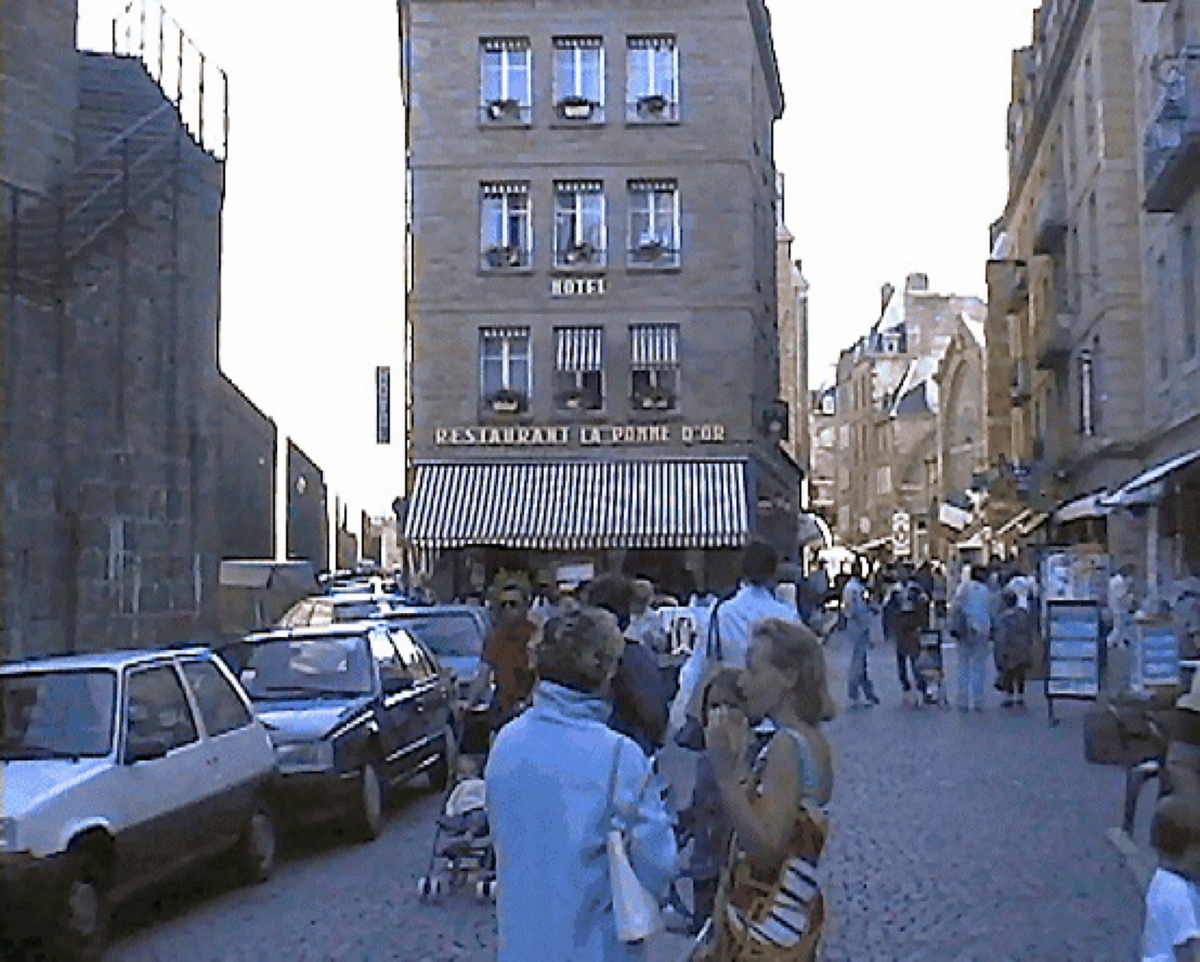
Lots of personality, in this old town surrounded by strong walls.
The walls are perfect (reconstructed after WW2), and you can walk all around the town, with a good perspective of the city and its architecture, and all the beaches.
Down there, the town is lively, with all the people escaped from the freezing beach.
Beautiful, yes, but… beach+Europe=Iberia… And I’m not chauvinist…
The ramparts
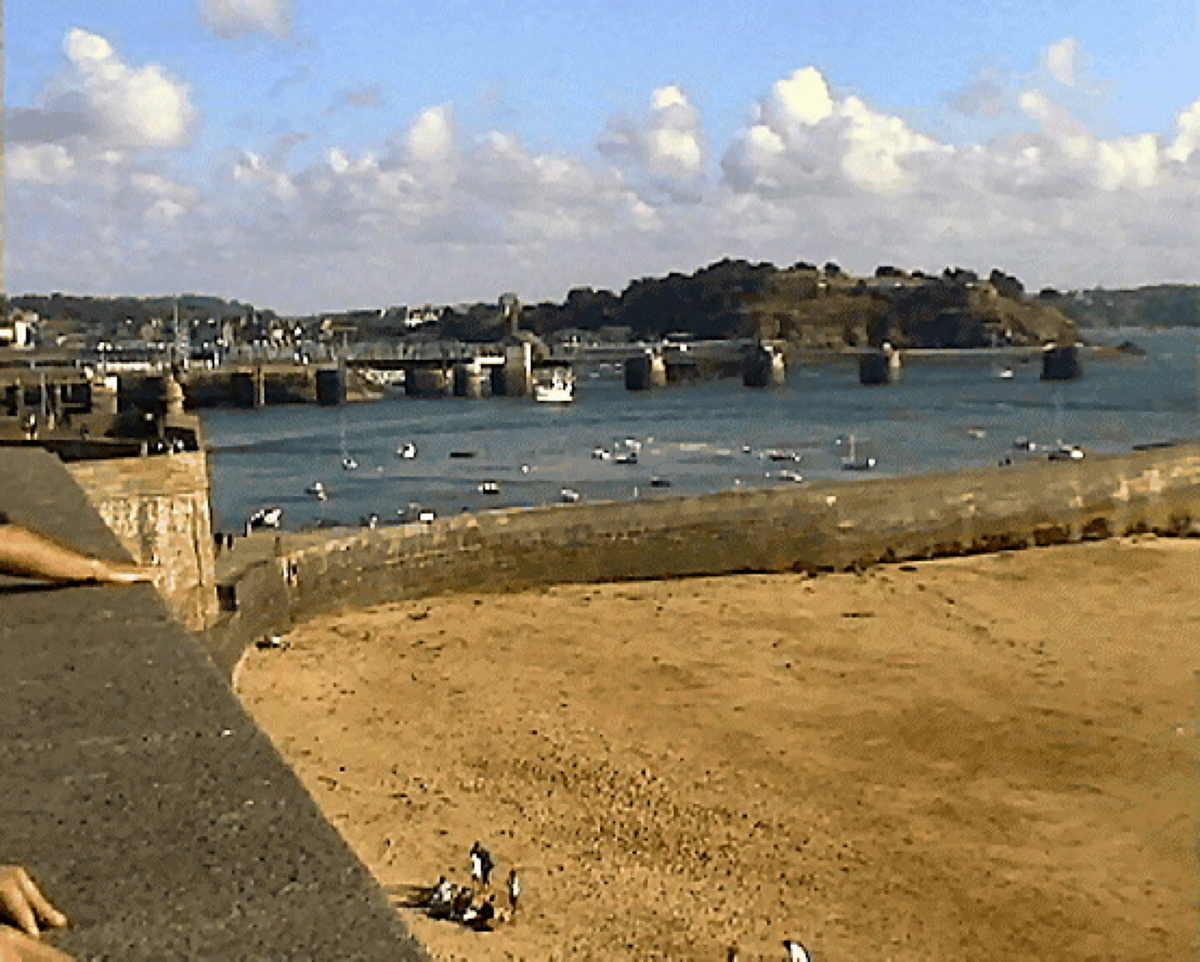
It is possible to walk around all the historic city, along its strong and large walls.
It’s an easy and interesting walk, with several entry and exit points, and excellent views over town and sea.
Intra-muros
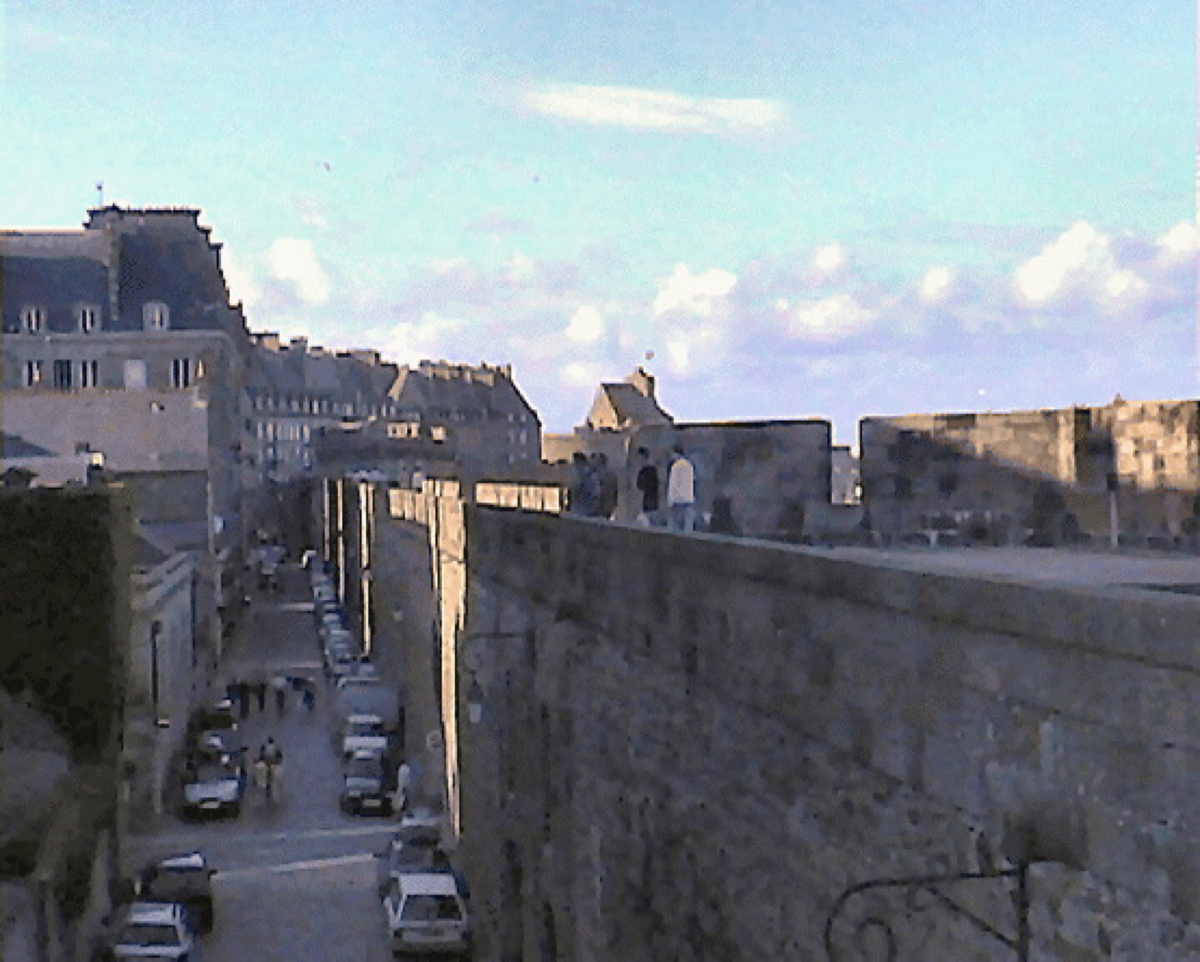
The first time I entered France, I selected my best french to ask someone the way to… I don’t know. I do know that the first 9 people I spoke to where… Portuguese.
More than 40 years later I entered Intra-muros in Saint-Malô, wondering why “muros” and not murs?
I made some research to discover how did we get a “Portuguese” name associated with this walled area of Saint-Malô. I got no answer, but I think that it is a coincidence, and the name may have something to do not with us, but with Spanish, that write it exactly the same way. Well… forget the word and enjoy the walk. It’s nice!
The Beach
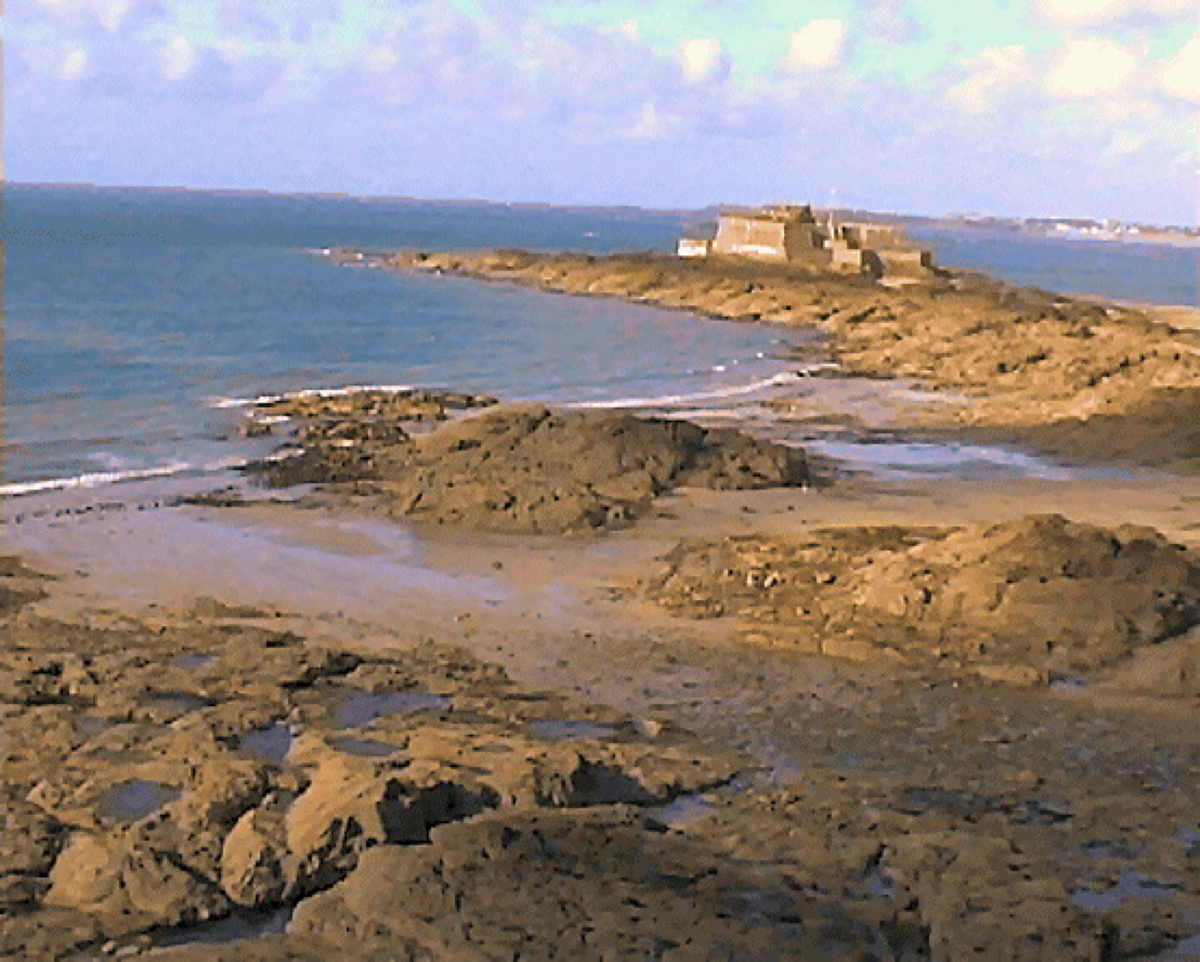
It was cold, in August, when we were there.
The temperature of the Atlantic didn’t convince us, so we didn’t try to swim. There were several rocky and sandy beaches, but… empty.
A Portuguese fellow living in Bretagna told me that the water usually beats 20º centigrade. Will it be possible in such an ocean, in such latitude? Next time I’ll check it up, however, I noticed people wearing anoraks instead of swimming. In August!
Notre-Dâme de Bonsecours
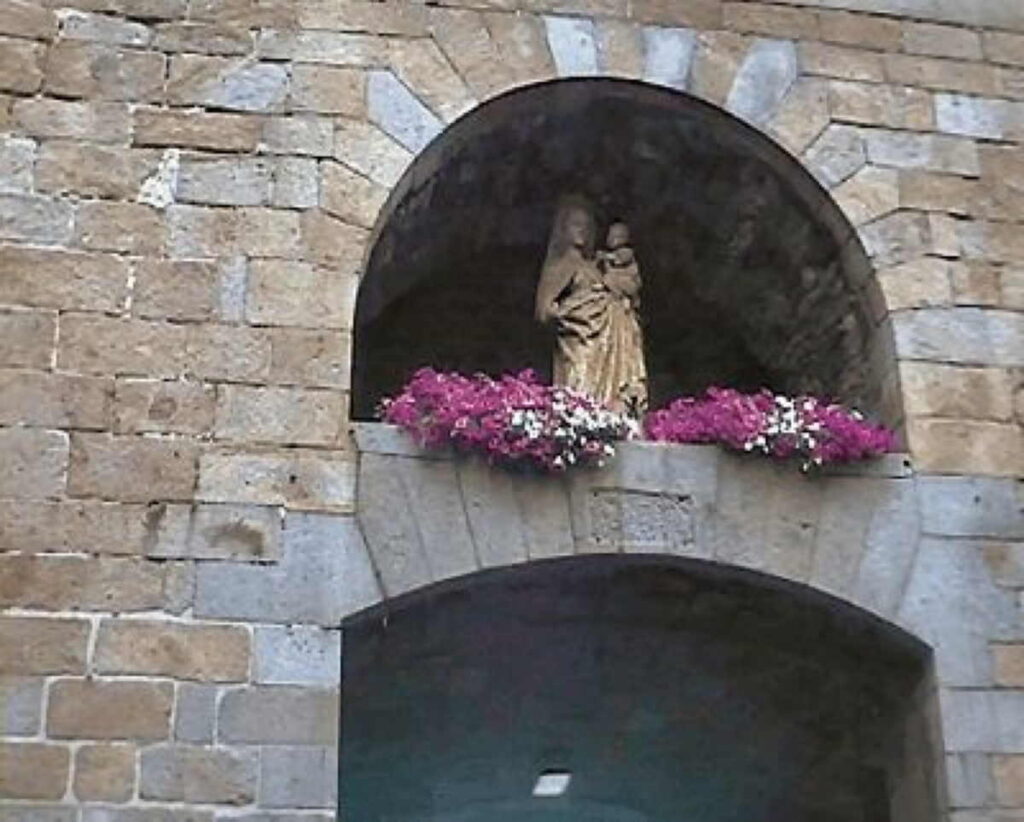
In a niche in the Great Door of the city walls, there’s a small statue of the Holly Virgin.
According to traditional description, it was found by a local sailor, floating in the sea, in 1663.
If you want to easily publish your own experiences, after registering you may use the form below. It will be added after revision. You may use text, photos till 20Mb or video. For a more complex publication click here.
Publishing form
You need to be logged in to view this page
Your trip will be perfect with the help of our partners
For a great experience:
For your safety:

For your comfort:
For cheap flights:
For local displacements:
 English
 Português