

Overview
Tangier is the northern gateway to Morocco, a city shaped by centuries of cultural exchange where Africa meets Europe across the Strait of Gibraltar. Its medina rises above the port with winding alleys, viewpoints and a relaxed atmosphere that feels lighter than Morocco’s imperial cities. The Kasbah offers quiet corners and historic architecture, while the Corniche brings sea breezes and coastal views. Tangier blends Mediterranean light, Atlantic winds and international influences, creating a destination that feels both historic and cosmopolitan.
Best time to visit
The best time to visit Tangier is from April to June and September to November, when temperatures are mild and ideal for exploring the medina, Kasbah and coastal viewpoints. Summer is warm and breezy thanks to the Atlantic, making it pleasant for seaside walks. Winter is cooler and occasionally rainy, but still comfortable for urban sightseeing.
Getting around
Tangier is compact and easy to navigate. The medina and Kasbah are best explored on foot, with taxis providing quick access to the Corniche, beaches and modern districts. Roads along the coast are straightforward for reaching Cap Spartel and the Caves of Hercules. Public transport is limited, so taxis or private transfers are the most practical options for moving around the city and its surroundings.
Safety and local etiquette
Tangier is generally safe and calm, especially in central areas. Vendor pressure exists in the medina but is less intense than in cities like Marrakech or Fes. Normal precautions are enough, and interactions with locals are friendly. Respect for religious sites and modest behavior in traditional areas is appreciated. The port area is busy, so keeping an eye on belongings is sensible.
Food and water
Seafood is central to Tangier’s cuisine, reflecting its coastal identity. Restaurants and cafés are concentrated around the medina, Corniche and city center, offering Moroccan dishes, grilled fish and Mediterranean flavors. Tap water is usually safe, though many visitors prefer bottled water. The city’s food scene is relaxed and varied, with both traditional and modern options.
Day trips and excursions
Tangier offers several rewarding excursions. Cap Spartel marks the meeting point of the Atlantic and Mediterranean, while the Caves of Hercules combine natural formations with iconic sea views. Asilah provides a charming whitewashed medina and murals, and Tetouan offers a UNESCO‑listed old town with strong Andalusian influence. These destinations complement Tangier’s coastal and cultural identity.
Essence of Tangier
The essence of Tangier lies in its role as a crossroads city — softened by Mediterranean light, shaped by the sea and enriched by centuries of cultural exchange. It is less intense than Morocco’s imperial cities, offering a gentle introduction to the country while still delivering atmosphere, history and coastal scenery. Tangier feels breezy, layered and quietly cosmopolitan.
Highlights in Tangier
- The historic Medina of Tangier features winding alleyways, traditional markets, hidden courtyards, and a vibrant atmosphere that reflects centuries of history.
- The impressive Kasbah overlooks the city and offers spectacular views of the Strait of Gibraltar and the surrounding coastline.
- Cape Spartel marks the point where the Atlantic Ocean meets the Mediterranean Sea and provides some of the region’s most beautiful coastal scenery.
- The famous Caves of Hercules are among Morocco’s most visited natural attractions and are closely linked to local legends and mythology.
- The lively Grand Socco serves as one of the city’s main gathering places and connects the modern city with the historic Medina.
- The beautiful Tangier Corniche offers waterfront promenades, beaches, cafés, and panoramic sea views.
Visitors can also enjoy traditional souks, art galleries, historic cafés, cultural festivals, seaside restaurants, and views extending towards Spain on clear days.


- Tangier is located in northern Morocco on the Strait of Gibraltar.
- Arabic and Amazigh are the official languages, while French is widely spoken.
- The city lies just across the strait from southern Spain.
- Bottled water is recommended for visitors.
- Credit and debit cards are accepted in most hotels, restaurants, and larger businesses.
- The official currency is the Moroccan Dirham (MAD).
- Tangier is Morocco’s main gateway to Europe.
- The city is connected to Casablanca and Rabat by high-speed rail.
- The Medina remains one of Tangier’s most important attractions.
- Seafood is a highlight of the local cuisine.
- Petit taxis provide an affordable way to travel around the city.
- Comfortable footwear is recommended for exploring the Medina’s steep streets.
- Tangier has long been associated with artists, writers, and international culture.
Tangier has a Mediterranean climate with Atlantic influences, characterised by warm summers, mild winters, and moderate rainfall.
- Spring (March to May) — pleasant temperatures, blooming landscapes, and excellent conditions for sightseeing.
- Summer (June to August) — warm weather moderated by sea breezes, making conditions comfortable for exploration and coastal activities.
- Autumn (September to November) — mild temperatures and favourable conditions for cultural visits and outdoor activities.
- Winter (December to February) — generally mild weather with occasional rainfall and comfortable daytime temperatures.
The most popular period to visit is from March to June and from September to November, when weather conditions are generally ideal for exploring Tangier’s historic districts, coastal attractions, cultural landmarks, and unique position between Africa and Europe.
Today:

Visiting Tangier
I can’t make justice to this city
I only spent there one day, the final one of my first trip to Morocco, and it didn’t add much to the strong sensations collected further south (well… thinking better, it did. Maybe I will relate it in another place).
Things may be very different for those coming directly from Europe, and that’s the best way to visit the city.
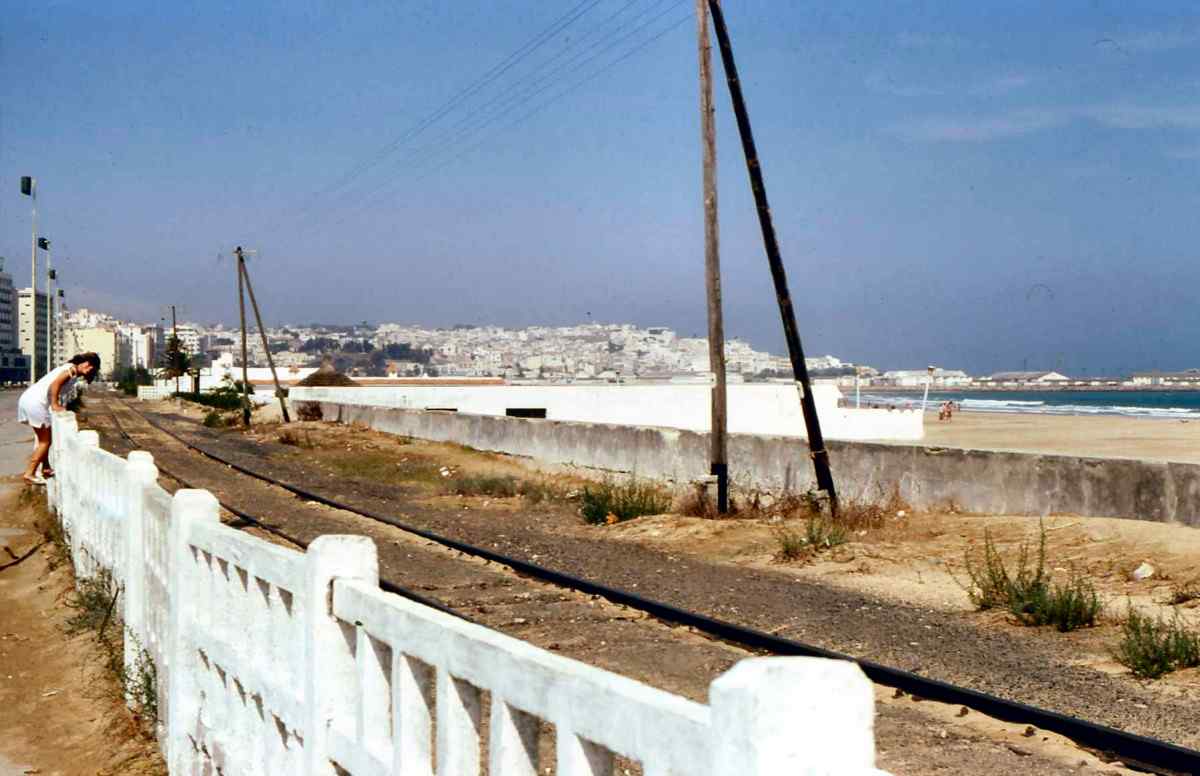
The beach

The city displays one of the largest beaches that I saw in Morocco. The weather in mid September was good, but the beach was empty.
Why? Cold water? Dangerous sea? Maybe both, but the emptiness and the abandoned look were not attractive.

Sleeping in Tangier – 1 cheap night
If you want to easily publish your own experiences, after registering you may use the form below. It will be added after revision. You may use text, photos till 20Mb or video. For a more complex publication click here.
Publishing form
You need to be logged in to view this page
Your trip will be perfect with the help of our partners
For a great experience:
For your safety:

For your comfort:
For cheap flights:
For local displacements:
 English
 Português