

Overview
El Jadida is a calm Atlantic city shaped by Portuguese heritage and Moroccan coastal life. Its defining landmark is the Cité Portugaise, a fortified quarter with thick ramparts, narrow lanes and the famous cistern whose vaulted arches and reflections create one of the most atmospheric sights in Morocco. Outside the old walls, the city opens into wide beaches, palm‑lined avenues and a relaxed rhythm that contrasts with the intensity of larger urban centres. El Jadida feels both historic and leisurely, a place where maritime legacy meets modern seaside living.
Best time to visit
The best time to visit El Jadida is from April to October, when warm temperatures and clear skies make the coast ideal for swimming and walking. Spring offers mild weather and quiet streets. Summer brings lively beach life and long sunny days. Early autumn provides soft light and comfortable conditions for exploring the Cité Portugaise. Winter is cooler and peaceful, suitable for travellers who enjoy slow cultural visits.
Getting around
El Jadida is easy to explore on foot, especially the Cité Portugaise and the beachfront promenade. Taxis are convenient for moving around the city or reaching nearby beaches. For travellers arriving from Casablanca or Marrakech, trains offer a comfortable and efficient connection. Movement is relaxed, shaped by the city’s compact scale and coastal atmosphere.
Safety and local etiquette
El Jadida is safe and welcoming, with a friendly tone typical of Morocco’s coastal towns. Respect for local customs is appreciated, especially in residential areas of the medina. Visitors should be mindful of slippery stones inside the cistern and attentive around busy beach zones. Politeness and calm interaction fit naturally with the city’s character.
Food and water
El Jadida offers a blend of Moroccan flavours and fresh coastal cuisine. Seafood is central to local menus, alongside tagines, couscous and grilled dishes. Cafés and restaurants line the waterfront and the streets around the Cité Portugaise. Tap water is generally safe, though bottled water is common among visitors. Dining is relaxed, often enjoyed outdoors with ocean views.
Day trips and excursions
El Jadida is well positioned for exploring Morocco’s Atlantic coast. Northward lies Azemmour, a small riverside town with artistic charm and historic walls. Southward, Oualidia offers lagoons, oysters and calm beaches. Inland, the Doukkala region reveals agricultural landscapes and rural villages. Each excursion complements El Jadida’s mix of heritage and seaside tranquillity.
Essence of El Jadida
The essence of El Jadida lies in its harmony between maritime history and coastal calm. The Portuguese cistern preserves a quiet, timeless beauty, while the ramparts overlook waves that shape the city’s rhythm. It is a place where heritage feels intimate, where the ocean softens daily life and where travellers slow down to absorb light, stone and sea. El Jadida embodies the serene, historic and gently atmospheric spirit of Morocco’s Atlantic coast.
Highlights in El Jadida:
- The remarkable Portuguese City (Cité Portugaise) is a UNESCO World Heritage Site and the city’s most important historical attraction.
- The famous Portuguese Cistern is an architectural masterpiece known for its atmospheric reflections and unique underground setting.
- The impressive City Walls and Bastions provide spectacular views of the Atlantic Ocean and preserve the city’s defensive heritage.
- The beautiful El Jadida Beach offers a long stretch of sand, ideal for walking, relaxation, and enjoying the Atlantic coastline.
- The historic Church of the Assumption reflects the city’s Portuguese colonial past and architectural heritage.
- The nearby Mazagan Resort offers golf courses, leisure facilities, and coastal scenery in a modern luxury setting.
Visitors can also enjoy seafood restaurants, traditional markets, historic streets, oceanfront promenades, cultural festivals, and beautiful Atlantic sunsets.


- El Jadida is located on Morocco’s Atlantic coast.
- The city is approximately 100 kilometres south of Casablanca.
- Arabic and Amazigh are the official languages, while French is widely spoken.
- The Portuguese City is a UNESCO World Heritage Site.
- Bottled water is recommended for visitors.
- Credit and debit cards are accepted in most hotels and larger restaurants.
- The official currency is the Moroccan Dirham (MAD).
- The Portuguese Cistern is one of Morocco’s most famous historical landmarks.
- Seafood is a highlight of the local cuisine.
- The city has excellent rail connections to Casablanca and other major destinations.
- El Jadida offers a quieter atmosphere than many larger Moroccan cities.
- Comfortable footwear is recommended for exploring the historic centre.
- The Atlantic coastline provides pleasant temperatures throughout much of the year.
El Jadida has a Mediterranean climate with Atlantic influences, characterised by warm summers, mild winters, and moderate temperatures throughout the year.
- Spring (March to May) — pleasant temperatures, blooming landscapes, and ideal conditions for sightseeing and coastal exploration.
- Summer (June to August) — warm weather moderated by Atlantic breezes, making conditions comfortable for beach activities.
- Autumn (September to November) — mild temperatures and favourable conditions for exploring the city and coastline.
- Winter (December to February) — generally mild weather with occasional rainfall and comfortable daytime temperatures.
The most popular period to visit is from March to June and from September to November, when weather conditions are generally ideal for exploring El Jadida’s historical landmarks, enjoying the Atlantic coastline, discovering its Portuguese heritage, and experiencing the authentic charm of this UNESCO-listed Moroccan city.
Today:


El Jadida – Mazagão
For a Portuguese, a visit to El Jadida is a meeting with our history, so many are the traces of Portuguese presence in that area of the world. For the other visitors… well, it’s another Moroccan town, with well preserved signs of Portuguese occupation. And it’s interesting, anyway, and that was the basis of its recognition as UNESCO heritage in 2004.
The surviving Portuguese buildings include the cistern and the Church of the Assumption, built in the Manueline style of late Gothic architecture. The Portuguese City of Mazagan – one of the early settlements of the Portuguese explorers in West Africa on the route to India – is an outstanding example of the interchange of influences between European and Moroccan cultures, well reflected in architecture, technology, and town planning.”
Portuguese Cistern
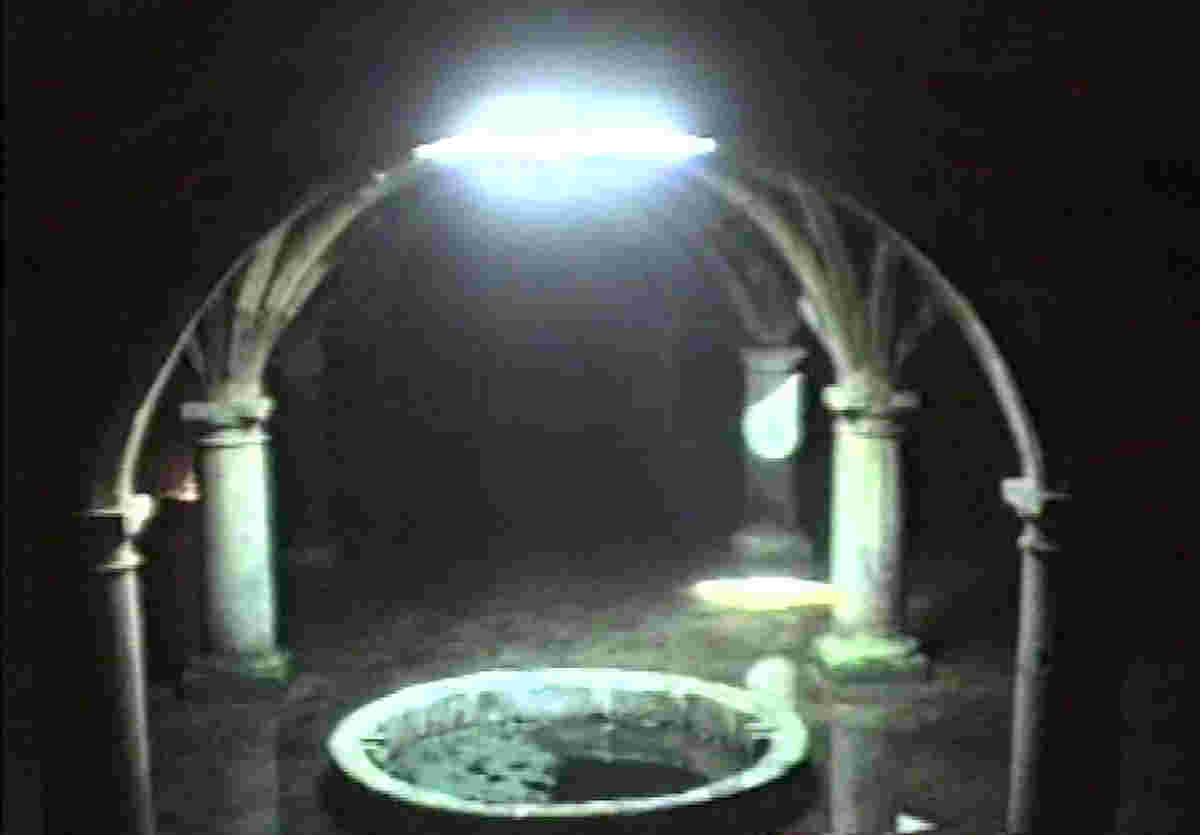
After the fortress, this cistern is the greatest Portuguese edification in El Jadida. And it is an interesting and cool visit.
What will the teachers tell about us, the portuguese, to the many scholar children that we noticed visiting it? Will they mention that the cistern was made in 1514 by the Portuguese, as part of the fort, and later used as cistern, with one thousand square meters, and beautiful arcades?
Will they tell that its beauty attracted the cinema, from Orson Welles to Coppola, and other?
They should, because… it’s true.
Citadel
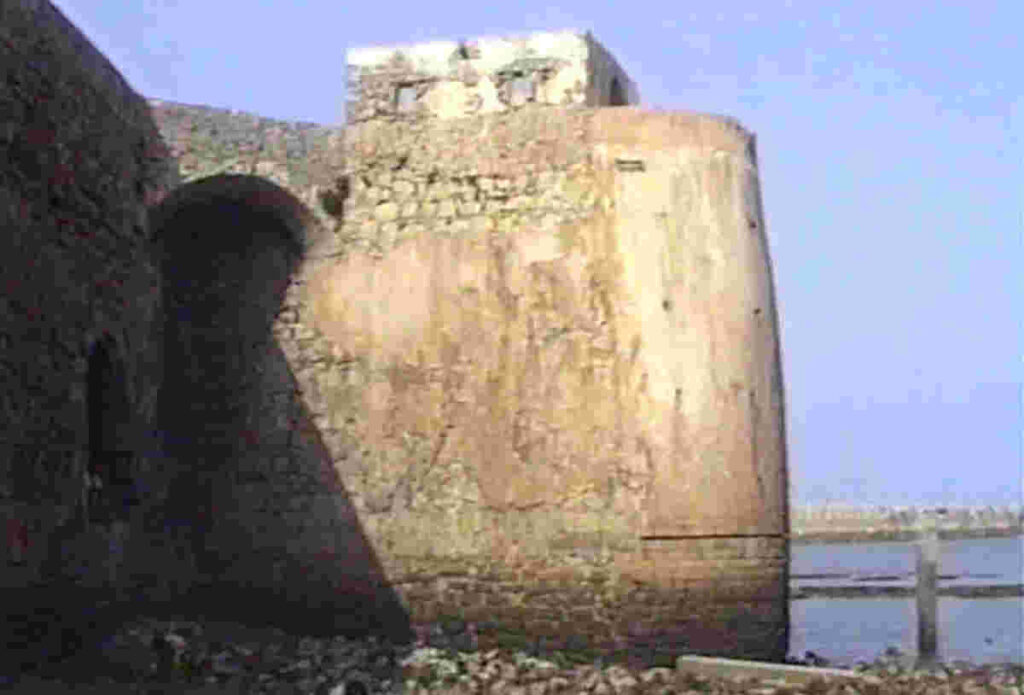
From 1506 to 1769 this town was portuguese, under the name of Mazagão. In 2004 it was classified as world heritage by UNESCO, that writes about it:
“The Portuguese fortification of Mazagan, now part of the city of El Jadida, 90 km southwest of Casablanca, was built as a fortified colony on the Atlantic coast in the early 16th century. It was taken over by the Moroccans in 1769. The fortification with its bastions and ramparts is an early example of Renaissance military design.
If you want to easily publish your own experiences, after registering you may use the form below. It will be added after revision. You may use text, photos till 20Mb or video. For a more complex publication click here.
Publishing form
You need to be logged in to view this page
Your trip will be perfect with the help of our partners
For a great experience:
For your safety:

For your comfort:
For cheap flights:
For local displacements:
 English
 Português